The Golden Jewel of the Canopy: Exploring the Rare Golden Langur
Introduction to a Rare Primate The Golden Langur (Trachypithecus geei) stands as one of the most striking and enigmatic primates on our planet. Found exclusively in the lush, tropical forests of western Assam, India, and the neighboring kingdom of Bhutan, this rare species serves as a vital indicator of ecological health in its narrow geographic […]
Introduction to a Rare Primate
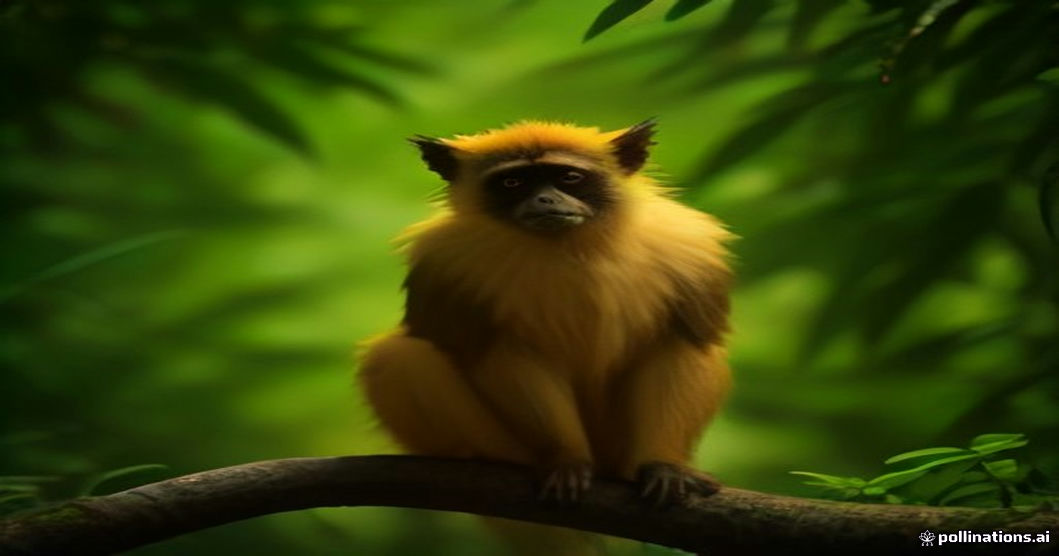
The Golden Langur (Trachypithecus geei) stands as one of the most striking and enigmatic primates on our planet. Found exclusively in the lush, tropical forests of western Assam, India, and the neighboring kingdom of Bhutan, this rare species serves as a vital indicator of ecological health in its narrow geographic range.
Striking Physical Characteristics
True to their name, these primates possess a breathtaking coat that transitions from creamy white to a deep golden-yellow. Interestingly, their fur takes on a distinctive reddish-orange hue during the colder winter months. Physically, they are medium-sized primates, with body lengths ranging from 50 to 70 cm and impressively long tails that can reach up to 90 cm. Weighing between 9.5 and 12 kg, their most recognizable feature is their dark, expressive face, framed by long hairs that culminate in a unique crest atop their heads.
Arboreal Life and Specialized Biology
Golden Langurs are strictly diurnal and almost entirely arboreal, spending their lives high within the upper canopies of tropical forests. Their survival is intricately linked to their specialized diet of leaves and fruits. Evolution has provided them with a complex, multi-chambered stomach, an anatomical marvel that allows them to efficiently ferment and extract nutrients from tough, fibrous plant material that other animals might find indigestible.
A History of Discovery and Conservation Challenges
Despite their vibrant appearance, the Golden Langur remained largely unknown to modern science until 1953, with a formal description arriving only in 1956. Today, they face severe threats from habitat fragmentation and human encroachment. With an estimated population of only 6,000 individuals, they are classified as one of the world’s most endangered primates. Protecting the remaining tropical corridors of India and Bhutan is essential for the continued existence of this magnificent species.
Written by Mohammed Murtaja
Editor-in-Chief & Executive Publisher of ZooPulse. Senior investigative journalist directing evidence-based research, veterinary science verification, and editorial governance.
Related Stories
 Uncategorized
Taking Your Cat for a Walk: A Professional Guide to Feline Outdoor Safety
The Rise of the Adventure Cat Seeing your kitties out for a walk is becoming an increasingly popular trend in the pet community. While cats are often viewed as indoor-exclusive creatures, many feline companions can benefit greatly from controlled outdoor exploration. However, as a veterinarian, I must emphasize that taking a cat outside requires careful […]
 Uncategorized
The Hidden Marvels of the Deep: Understanding the Paralomis Crab
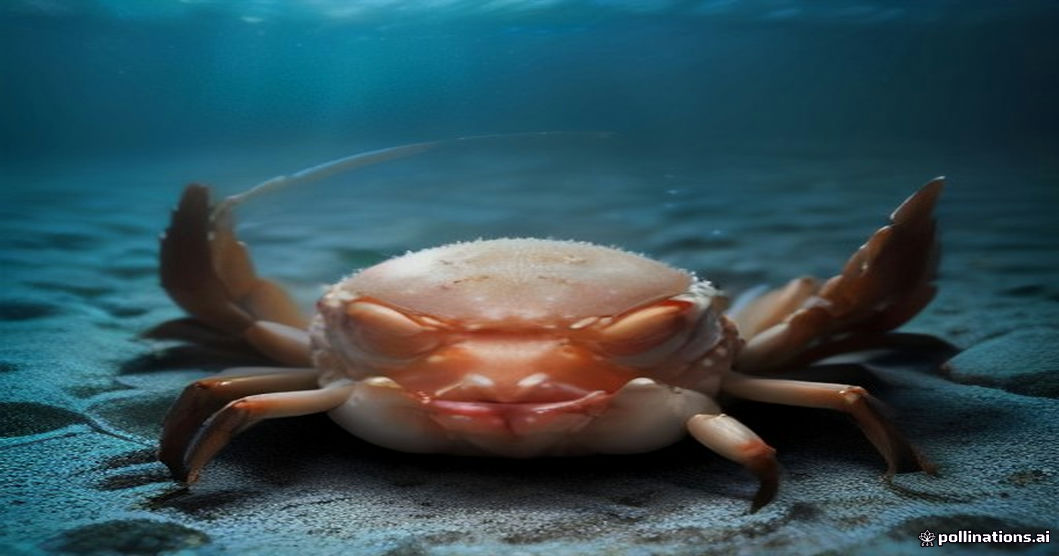
A Unique Crustacean Encounter In the vast, mysterious depths of our oceans, there exists a creature that often escapes the casual observer’s gaze: the Paralomis genus. While they may resemble the common crabs found along the shoreline, these fascinating animals belong to a group known as king crabs, which are surprisingly more closely related to […]
 Uncategorized
High-Altitude Health: Protecting Your Pets on the Slopes of Ausangate and Beyond
The Majesty and Challenge of Ausangate Rising majestically to over 6,300 meters, Ausangate stands as the highest peak in the Cusco region of the Peruvian Andes. For the Incas, this mountain was more than just a geological feature; it was a sacred Apu, a deity that protected the land and its inhabitants. However, for modern […]