The Hidden Marvels of the Deep: Understanding the Paralomis Crab
A Unique Crustacean Encounter In the vast, mysterious depths of our oceans, there exists a creature that often escapes the casual observer’s gaze: the Paralomis genus. While they may resemble the common crabs found along the shoreline, these fascinating animals belong to a group known as king crabs, which are surprisingly more closely related to […]
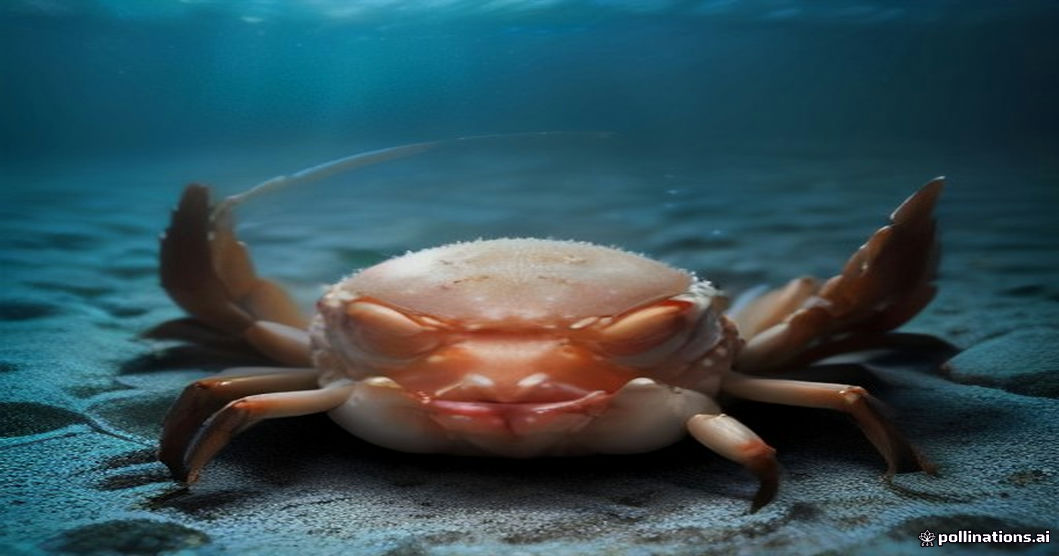
A Unique Crustacean Encounter
In the vast, mysterious depths of our oceans, there exists a creature that often escapes the casual observer’s gaze: the Paralomis genus. While they may resemble the common crabs found along the shoreline, these fascinating animals belong to a group known as king crabs, which are surprisingly more closely related to hermit crabs than to true crabs.
An Evolutionary Masterpiece
One of the most remarkable features of the Paralomis is its anatomy, specifically designed for survival in deep-sea environments. If you look closely, you will notice something peculiar about their limb structure. These crustaceans possess a hidden fifth pair of legs that are significantly smaller than the rest. Tucked neatly under the protective cover of their carapace, these appendages are not for walking; instead, they function as specialized biological grooming tools.
Nature’s Own Filtration System
These tiny legs act as mini brushes, performing the vital task of cleaning and ventilating the crab’s gills. By constantly sweeping away debris and maintaining optimal water flow, the Paralomis ensures its respiratory system remains functional even in the sediment-rich waters of the ocean floor. This evolutionary adaptation serves as a brilliant example of how marine life has fine-tuned its physiology to thrive in extreme conditions, highlighting the endless wonders of our underwater world.
Written by Mohammed Murtaja
Editor-in-Chief & Executive Publisher of ZooPulse. Senior investigative journalist directing evidence-based research, veterinary science verification, and editorial governance.
Related Stories
 Uncategorized
High-Altitude Health: Protecting Your Pets on the Slopes of Ausangate and Beyond
The Majesty and Challenge of Ausangate Rising majestically to over 6,300 meters, Ausangate stands as the highest peak in the Cusco region of the Peruvian Andes. For the Incas, this mountain was more than just a geological feature; it was a sacred Apu, a deity that protected the land and its inhabitants. However, for modern […]
 Uncategorized
Nature’s Silent Sentinels: The Intricate Family Life of the Great Grey Owl
The Majestic Phantom of the Boreal Forest As a veterinarian with a focus on avian physiology and wildlife health, I have always been captivated by the Great Grey Owl (Strix nebulosa). Known as the ‘Phantom of the North,’ this species is not only the world’s largest owl by length but also exhibits some of the […]
 Uncategorized
Desert Sands and Salty Breezes: A Veterinarian’s Guide to Road Tripping Namibia with Your Pet
The Allure of the Namibian Coast Imagine a landscape where the towering, apricot-colored dunes of the Namib Desert crash directly into the cold, turquoise waves of the Atlantic Ocean. This is the reality of a road trip along Namibia’s coastline. For the adventurous pet owner, this journey offers unparalleled beauty, but as a veterinarian, I […]