Exploring the Rainbow Mountains of Peru: A Guide for Adventurous Pet Owners
Peru’s stunning Rainbow Mountains, known locally as Vinicunca, have become a bucket-list destination for travelers worldwide. With their striking turquoise, lavender, and gold mineral stripes, these majestic peaks offer a breathtaking visual spectacle. But for passionate animal lovers and pet parents, a journey to such high altitudes requires careful consideration, especially if you are thinking […]
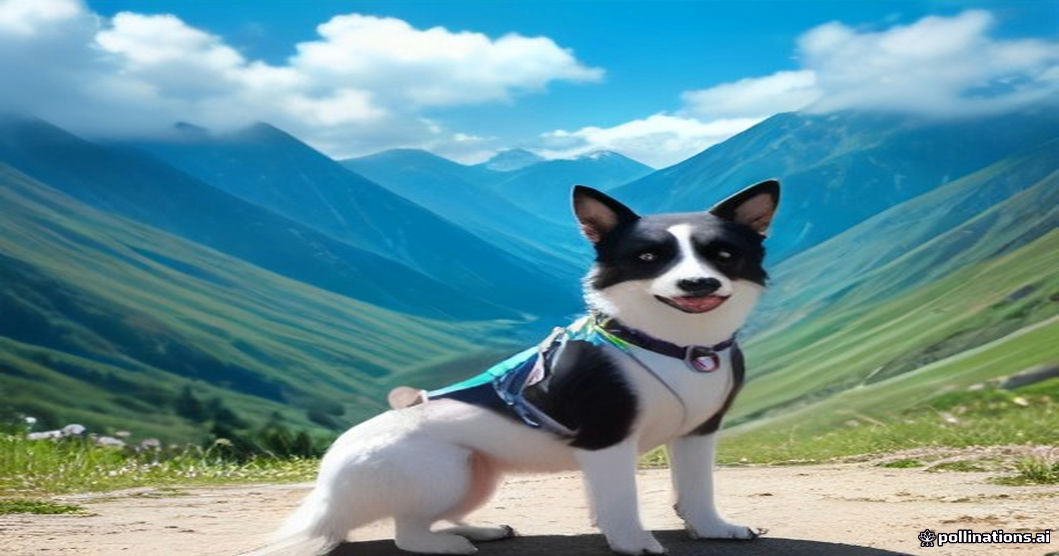
Peru’s stunning Rainbow Mountains, known locally as Vinicunca, have become a bucket-list destination for travelers worldwide. With their striking turquoise, lavender, and gold mineral stripes, these majestic peaks offer a breathtaking visual spectacle. But for passionate animal lovers and pet parents, a journey to such high altitudes requires careful consideration, especially if you are thinking about sharing the adventure with an animal companion.
Understanding High-Altitude Challenges for Animals
Situated at an astonishing altitude of over 5,000 meters (16,400 feet) above sea level, the Rainbow Mountains present significant physiological challenges. As a veterinarian, I must emphasize that high altitude means lower oxygen levels and plummeting temperatures. Just like humans, dogs and other pets are susceptible to altitude sickness (acute mountain sickness), which can cause lethargy, vomiting, respiratory distress, and in severe cases, pulmonary edema. Before planning a trek to such extreme elevations, a thorough veterinary check-up is non-negotiable.
Local Wildlife and Working Animals of the Andes
While exploring the region, visitors will encounter native South American camelids such as llamas and alpacas. These resilient animals are perfectly adapted to the thin air and harsh climate of the Peruvian Andes. Additionally, local communities often use horses to assist tourists who may struggle with the grueling hike. As animal advocates, it is vital to ensure that any working animals you encounter are treated humanely, not overloaded, and provided with adequate rest and hydration.
Best Practices for Traveling Pet Owners
If you are an expatriate or a long-term traveler considering bringing your dog on a trek in Peru, safety must always come first. The terrain is rugged, rocky, and unpredictable. Paw protection is essential to prevent injuries from sharp stones and extreme ground temperatures. Furthermore, proper acclimatization over several days in Cusco or the Sacred Valley is mandatory before attempting any high-altitude hikes. Always carry a canine first-aid kit, plenty of fresh water, and high-energy pet food to maintain your companion’s stamina.
Conclusion: Appreciating Nature Responsibly
The Rainbow Mountains of Peru are a geological wonder that demands our respect and awe. While the allure of exploring these vibrant landscapes with a furry best friend is strong, the extreme environment often makes it safer to leave pets in the care of professional boarding services in lower-altitude cities like Cusco. By prioritizing animal welfare and health, we can ensure that our pets remain safe while we take in the breathtaking beauty of the natural world.
Written by Mohammed Murtaja
Editor-in-Chief & Executive Publisher of ZooPulse. Senior investigative journalist directing evidence-based research, veterinary science verification, and editorial governance.
Related Stories
 Nature
Megalodon: Unraveling the Secrets of Prehistory’s Ultimate Marine Apex Predator
Introduction to the King of the Ancient Seas Imagine navigating the prehistoric oceans and encountering a colossal, 15-to-20-meter-long marine monster. The Megalodon (*Otodus megalodon*) stands as one of the most formidable and awe-inspiring apex predators to have ever existed in our planet’s evolutionary history. Dominating the ancient marine ecosystems, this magnificent creature commanded respect through […]
 Nature
The Fascinating World of Stauromedusae: Marine Biology’s Unique ‘Walking Medusa’
Discovering the Stauromedusae In the vast and mysterious realm of marine biology, few creatures defy conventional classification quite like the Stauromedusae, commonly known as stalked jellyfish. As a veterinary and animal health professional, exploring unusual species often reveals the incredible adaptability of life in our oceans. Unlike their free-swimming relatives that drift aimlessly with ocean […]
 Nature
Unlocking the Secrets of the Brazilian Stegastes: The Fierce Guardian of the Reef
Introduction to the Brazilian Stegastes In the vibrant and bustling world of marine coral reefs, few small fish pack as much personality and territorial grit as the Brazilian Stegastes (Stegastes fuscus). Despite its modest size, this remarkable species commands respect across its habitat, fiercely defending its chosen patch of reef from any perceived intruders. For […]