Megalodon: Unraveling the Secrets of Prehistory’s Ultimate Marine Apex Predator
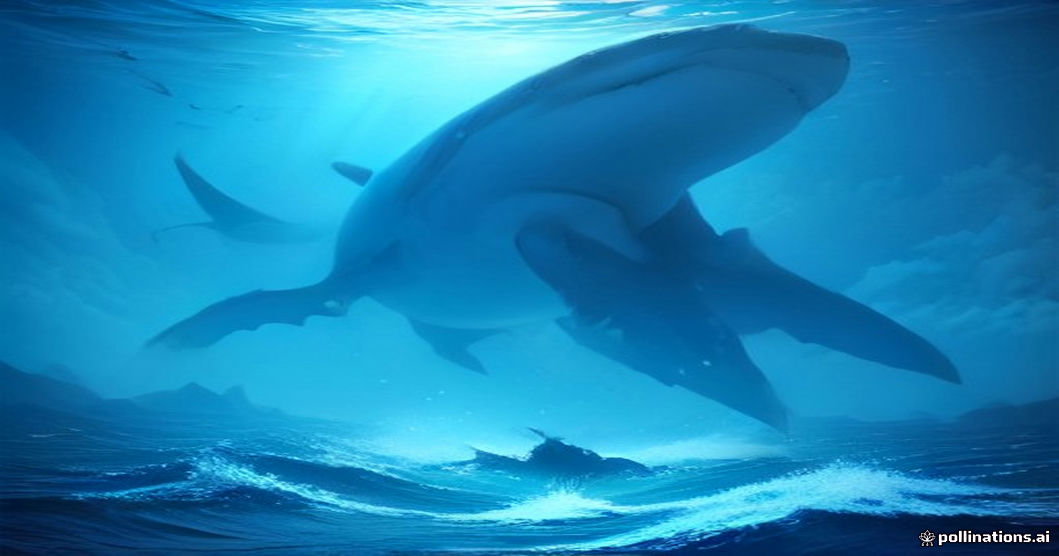
Introduction to the King of the Ancient Seas Imagine navigating the prehistoric oceans and encountering a colossal, 15-to-20-meter-long marine monster. The Megalodon (*Otodus megalodon*) stands as one of the most formidable and awe-inspiring apex predators to have ever existed in our planet’s evolutionary history. Dominating the ancient marine ecosystems, this magnificent creature commanded respect through […]
Introduction to the King of the Ancient Seas
Imagine navigating the prehistoric oceans and encountering a colossal, 15-to-20-meter-long marine monster. The Megalodon (*Otodus megalodon*) stands as one of the most formidable and awe-inspiring apex predators to have ever existed in our planet’s evolutionary history. Dominating the ancient marine ecosystems, this magnificent creature commanded respect through sheer size, power, and predatory prowess.
Anatomy of a Super-Predator
To truly understand the Megalodon’s dominance, one must look at its terrifying biological arsenal. Its teeth were engineering marvels, growing as large as a human hand—reaching up to an astonishing 18 centimeters in length. These serrated, robust teeth were designed to grip, slice, and crush.
Fossilized evidence paints a vivid picture of its hunting strategies. Whale ribs and vertebrae discovered by paleontologists frequently bear the unmistakable, massive bite marks of the Megalodon. Rather than taking random bites, fossil records indicate that these apex predators strategically targeted the vital organs of massive cetaceans, showcasing a high level of predatory intelligence.
Extinction and Modern Legacy
Despite ruling the oceans for millions of years, environmental shifts, cooling oceans, and dwindling prey populations ultimately led to the extinction of the Megalodon approximately 3.6 million years ago. While they are long gone, their legendary status endures. Today, advanced technologies like AI reconstructions and modern paleontology allow us to bring this ancient giant back to life, offering us a glimpse into a wilder, more mysterious prehistoric ocean.
Written by Mohammed Murtaja
Editor-in-Chief & Executive Publisher of ZooPulse. Senior investigative journalist directing evidence-based research, veterinary science verification, and editorial governance.
Related Stories
 Nature
Exploring the Rainbow Mountains of Peru: A Guide for Adventurous Pet Owners
Peru’s stunning Rainbow Mountains, known locally as Vinicunca, have become a bucket-list destination for travelers worldwide. With their striking turquoise, lavender, and gold mineral stripes, these majestic peaks offer a breathtaking visual spectacle. But for passionate animal lovers and pet parents, a journey to such high altitudes requires careful consideration, especially if you are thinking […]
 Nature
The Fascinating World of Stauromedusae: Marine Biology’s Unique ‘Walking Medusa’
Discovering the Stauromedusae In the vast and mysterious realm of marine biology, few creatures defy conventional classification quite like the Stauromedusae, commonly known as stalked jellyfish. As a veterinary and animal health professional, exploring unusual species often reveals the incredible adaptability of life in our oceans. Unlike their free-swimming relatives that drift aimlessly with ocean […]
 Nature
Unlocking the Secrets of the Brazilian Stegastes: The Fierce Guardian of the Reef
Introduction to the Brazilian Stegastes In the vibrant and bustling world of marine coral reefs, few small fish pack as much personality and territorial grit as the Brazilian Stegastes (Stegastes fuscus). Despite its modest size, this remarkable species commands respect across its habitat, fiercely defending its chosen patch of reef from any perceived intruders. For […]