Unlocking the Secrets of the Brazilian Stegastes: The Fierce Guardian of the Reef
Introduction to the Brazilian Stegastes In the vibrant and bustling world of marine coral reefs, few small fish pack as much personality and territorial grit as the Brazilian Stegastes (Stegastes fuscus). Despite its modest size, this remarkable species commands respect across its habitat, fiercely defending its chosen patch of reef from any perceived intruders. For […]
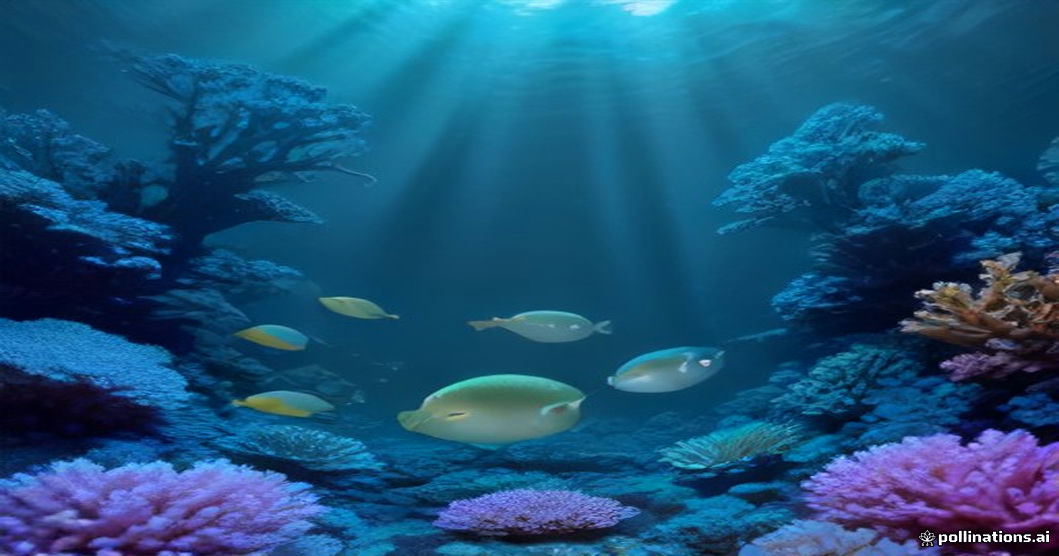
Introduction to the Brazilian Stegastes
In the vibrant and bustling world of marine coral reefs, few small fish pack as much personality and territorial grit as the Brazilian Stegastes (Stegastes fuscus). Despite its modest size, this remarkable species commands respect across its habitat, fiercely defending its chosen patch of reef from any perceived intruders. For marine biologists, aquarists, and pet care enthusiasts alike, understanding the behavioral complexity of this territorial damselfish provides a fascinating glimpse into the intricate social dynamics of reef ecosystems.
Mastering Territorial Defense
Life on the reef is competitive, and the Brazilian Stegastes takes its real estate very seriously. These fish establish distinct territories that they guard with unwavering vigilance. Whether it is a fellow herbivore looking for a meal or a much larger animal wandering too close, the Stegastes fuscus will boldly charge and chase away unwanted neighbors. This relentless patrolling ensures they maintain exclusive access to the algae and resources within their domain.
The Acoustic Language of the Reef
What truly sets the Brazilian Stegastes apart is its sophisticated method of communication. While many fish rely solely on body language, this species utilizes both movement and sound to resolve conflicts and navigate social interactions. Marine researchers have discovered that during intense moments—such as courtship rituals or aggressive territorial disputes—the fish emits a rapid series of short sound pulses. These distinct acoustic signals act as a sophisticated underwater vocabulary, effectively communicating whether the fish is seeking a mate or preparing for a fight.
Implications for Marine Enthusiasts
For those interested in marine aquariums, understanding the natural disposition of the Brazilian Stegastes is crucial. Their strong territorial instincts mean they require carefully planned tank environments with plenty of hiding spots and adequate space to prevent chronic stress or aggression toward tankmates. By respecting their natural need for boundaries, pet owners can help these fascinating communicators thrive in a captive setting while displaying their iconic, spirited behaviors.
Written by Mohammed Murtaja
Editor-in-Chief & Executive Publisher of ZooPulse. Senior investigative journalist directing evidence-based research, veterinary science verification, and editorial governance.
Related Stories
 Nature
Exploring the Rainbow Mountains of Peru: A Guide for Adventurous Pet Owners
Peru’s stunning Rainbow Mountains, known locally as Vinicunca, have become a bucket-list destination for travelers worldwide. With their striking turquoise, lavender, and gold mineral stripes, these majestic peaks offer a breathtaking visual spectacle. But for passionate animal lovers and pet parents, a journey to such high altitudes requires careful consideration, especially if you are thinking […]
 Nature
Megalodon: Unraveling the Secrets of Prehistory’s Ultimate Marine Apex Predator
Introduction to the King of the Ancient Seas Imagine navigating the prehistoric oceans and encountering a colossal, 15-to-20-meter-long marine monster. The Megalodon (*Otodus megalodon*) stands as one of the most formidable and awe-inspiring apex predators to have ever existed in our planet’s evolutionary history. Dominating the ancient marine ecosystems, this magnificent creature commanded respect through […]
 Nature
The Fascinating World of Stauromedusae: Marine Biology’s Unique ‘Walking Medusa’
Discovering the Stauromedusae In the vast and mysterious realm of marine biology, few creatures defy conventional classification quite like the Stauromedusae, commonly known as stalked jellyfish. As a veterinary and animal health professional, exploring unusual species often reveals the incredible adaptability of life in our oceans. Unlike their free-swimming relatives that drift aimlessly with ocean […]