Fascinating Flyers: The Biology and Behavior of Hawk Moths
Introduction to Hawk Moths Hawk Moths, belonging to the family Sphingidae, are truly remarkable insects celebrated for their unique ability to hover gracefully in mid-air above flowers. With their exceptionally long proboscis, they sip nectar with precision, earning them a well-deserved reputation as the hummingbirds of the insect world. Primarily crepuscular and nocturnal, these fascinating […]
Introduction to Hawk Moths
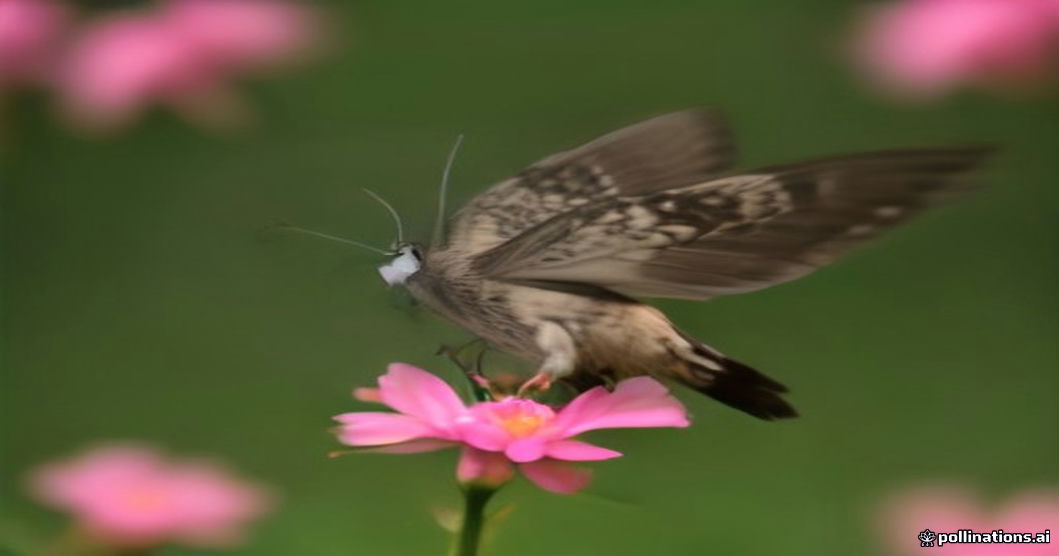
Hawk Moths, belonging to the family Sphingidae, are truly remarkable insects celebrated for their unique ability to hover gracefully in mid-air above flowers. With their exceptionally long proboscis, they sip nectar with precision, earning them a well-deserved reputation as the hummingbirds of the insect world. Primarily crepuscular and nocturnal, these fascinating creatures captivate nature enthusiasts and researchers alike with their specialized adaptations.
Name Origin and Feeding Habits
The English common name, “Hawk Moths,” is derived from their striking hawklike physical appearance and their swift, highly agile flight patterns. While flower nectar remains their primary dietary source, these versatile moths are also known to feed on fermented fruit juices and nutrient-rich tree sap. Interestingly, certain species possess a reduced proboscis and do not feed at all during their adult stage, relying entirely on the vital nutrient reserves accumulated during their caterpillar phase.
Physical Characteristics and Morphology
As medium-to-large-sized moths, Sphingidae are easily identified by their robust, cigar-shaped bodies that typically taper down to a distinct conical point at the rear. Their wings are remarkably narrow and elongated, designed for rapid and sustained flight. Wingspans generally range anywhere from 30 to 200 millimeters, though the vast majority of species average between 80 and 100 mm. Combined with their extraordinary proboscis—which can sometimes measure several times the total length of their body—these morphological traits make Hawk Moths one of the most specialized and successful families in the insect kingdom.
Written by Mohammed Murtaja
Editor-in-Chief & Executive Publisher of ZooPulse. Senior investigative journalist directing evidence-based research, veterinary science verification, and editorial governance.
Related Stories
 Nature
Exploring the Rainbow Mountains of Peru: A Guide for Adventurous Pet Owners
Peru’s stunning Rainbow Mountains, known locally as Vinicunca, have become a bucket-list destination for travelers worldwide. With their striking turquoise, lavender, and gold mineral stripes, these majestic peaks offer a breathtaking visual spectacle. But for passionate animal lovers and pet parents, a journey to such high altitudes requires careful consideration, especially if you are thinking […]
 Nature
Megalodon: Unraveling the Secrets of Prehistory’s Ultimate Marine Apex Predator
Introduction to the King of the Ancient Seas Imagine navigating the prehistoric oceans and encountering a colossal, 15-to-20-meter-long marine monster. The Megalodon (*Otodus megalodon*) stands as one of the most formidable and awe-inspiring apex predators to have ever existed in our planet’s evolutionary history. Dominating the ancient marine ecosystems, this magnificent creature commanded respect through […]
 Nature
The Fascinating World of Stauromedusae: Marine Biology’s Unique ‘Walking Medusa’
Discovering the Stauromedusae In the vast and mysterious realm of marine biology, few creatures defy conventional classification quite like the Stauromedusae, commonly known as stalked jellyfish. As a veterinary and animal health professional, exploring unusual species often reveals the incredible adaptability of life in our oceans. Unlike their free-swimming relatives that drift aimlessly with ocean […]