First Training Sessions Under the Big Top: A Veterinary Guide to Acclimating Performance Animals
Entering a major performance arena or tent for the first time is a monumental milestone for any working or performance animal. Whether preparing an agility dog for a national competition in an exhibition tent or conditioning a trick-performing canine or equine partner, the environment beneath the ‘big top’ presents an overwhelming sensory landscape. As veterinary […]
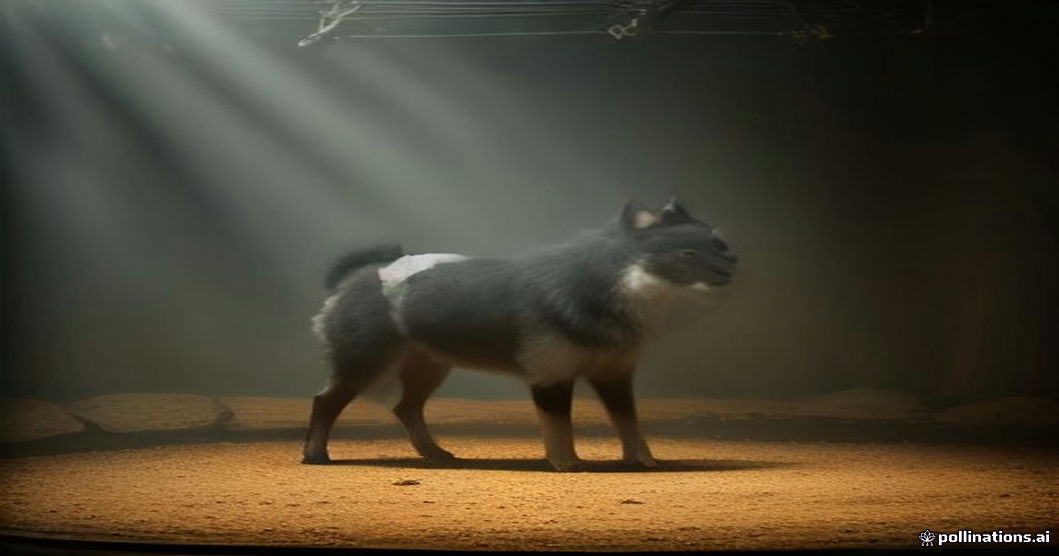
Entering a major performance arena or tent for the first time is a monumental milestone for any working or performance animal. Whether preparing an agility dog for a national competition in an exhibition tent or conditioning a trick-performing canine or equine partner, the environment beneath the ‘big top’ presents an overwhelming sensory landscape. As veterinary professionals and behavioral specialists, our primary objective during these initial sessions is not the perfection of routine, but the preservation of physical welfare and emotional equilibrium.
The Sensory Realities of the Arena Environment
From an animal’s perceptual viewpoint, a large tent or arena is a cauldron of novel stimuli. High acoustic resonance, echoing commands, vibrating footing, unfamiliar shadows cast by overhead rigging, and the trapped scent profiles of dozens of other animals can quickly trigger an acute sympathetic nervous system response. When an animal enters the fight-or-flight state, heart rates elevate, peripheral vision narrows, and cognitive capacity for learning diminishes rapidly. Recognizing early, subtle indicators of displacement and stress—such as lip-licking, yawning, scanning, avoidance, or sudden hyper-reactivity—is essential before physiological thresholds are breached.
Implementing Systematic Desensitization and Habituation
The golden rule for the initial session under the big top is low expectation and gradual exposure. Rather than demanding complex athletic feats, the focus must shift entirely toward habituation. Allow the animal to enter the space during quiet hours, completely devoid of crowds or intense lighting. Handlers should establish a predictable ‘base camp’ or safe zone—utilizing a familiar mat, crate, or handler positioning—where the animal can decompress. Keep training intervals short, lasting no more than five to ten minutes, punctuated by calm observation breaks that foster a sense of security and environmental mastery.
Building Confidence Through Positive Reinforcement
Confidence under pressure is built through dopamine-driven positive reinforcement. During these introductory sessions, employ exceptionally high-value reinforcers that transcend everyday training rewards. Simple, well-rehearsed behaviors that the animal can perform with minimal cognitive effort should form the foundation of the session. Successfully executing a basic sit, target touch, or stationary hold in this intense environment provides immediate validation, rewiring the animal’s neurological association with the big top from potential threat to a venue of high reward and mutual trust.
Musculoskeletal and Physical Welfare Considerations
Beyond behavioral health, the physical surface of a tent or indoor arena warrants strict veterinary scrutiny. Footing materials—whether packed dirt, sand-fiber mixes, or rubberized turf—directly influence joint torque, tendon strain, and paw pad or hoof integrity. Unfamiliar footing combined with elevated adrenaline increases the risk of acute soft-tissue injuries. Handlers must incorporate a thorough dynamic warm-up outside the ring, monitor footing consistency, ensure unrestricted access to fresh water, and conduct post-session palpatory checks of limbs and back musculature to confirm physical comfort.
Ultimately, a successful first session under the big top is measured not by applause or technical precision, but by the animal departing the ring with a relaxed posture, clear eyes, and an enthusiastic willingness to return.
Written by Mohammed Murtaja
Editor-in-Chief & Executive Publisher of ZooPulse. Senior investigative journalist directing evidence-based research, veterinary science verification, and editorial governance.
Related Stories
 Uncategorized
Unveiling the Corsac Fox: The Charming Steppe Fox of Central Asia
Introduction to the Corsac Fox The Corsac Fox, scientifically known as Vulpes corsac and commonly referred to as the Steppe Fox, derives its name from the Turkic word “karsak,” which aptly describes someone or something small in stature. As a dedicated veterinarian and pet care expert, exploring the unique adaptations of wild canids like the […]
 Uncategorized
Secrets of the Corsac Fox: Surviving and Thriving in the Harsh Steppes
Introduction to the Corsac Fox As a veterinarian and wildlife enthusiast, I am always fascinated by how species adapt to some of the most unforgiving environments on Earth. The Corsac fox is a masterclass in evolutionary survival, native to the arid steppes, semi-deserts, and grasslands of Central Asia and parts of Northeast Asia. To endure […]
 Uncategorized
Paws and Peaks: A Veterinarian’s Guide to Pet Health and Care in Almaty, Kazakhstan
Introduction to Pet Care in Almaty Nestled against the majestic backdrop of the Tian Shan mountains, Almaty is a vibrant and picturesque city that offers a wonderful lifestyle for pet owners. From scenic walks in First President’s Park to exploring the foothills, life with dogs and cats here is full of adventure. However, caring for […]