Secrets of the Corsac Fox: Surviving and Thriving in the Harsh Steppes
Introduction to the Corsac Fox As a veterinarian and wildlife enthusiast, I am always fascinated by how species adapt to some of the most unforgiving environments on Earth. The Corsac fox is a masterclass in evolutionary survival, native to the arid steppes, semi-deserts, and grasslands of Central Asia and parts of Northeast Asia. To endure […]

Introduction to the Corsac Fox
As a veterinarian and wildlife enthusiast, I am always fascinated by how species adapt to some of the most unforgiving environments on Earth. The Corsac fox is a masterclass in evolutionary survival, native to the arid steppes, semi-deserts, and grasslands of Central Asia and parts of Northeast Asia. To endure freezing winters and scorching summers, these resilient canids have developed extraordinary physiological and behavioral traits.
The Ultimate Winter Adaptation
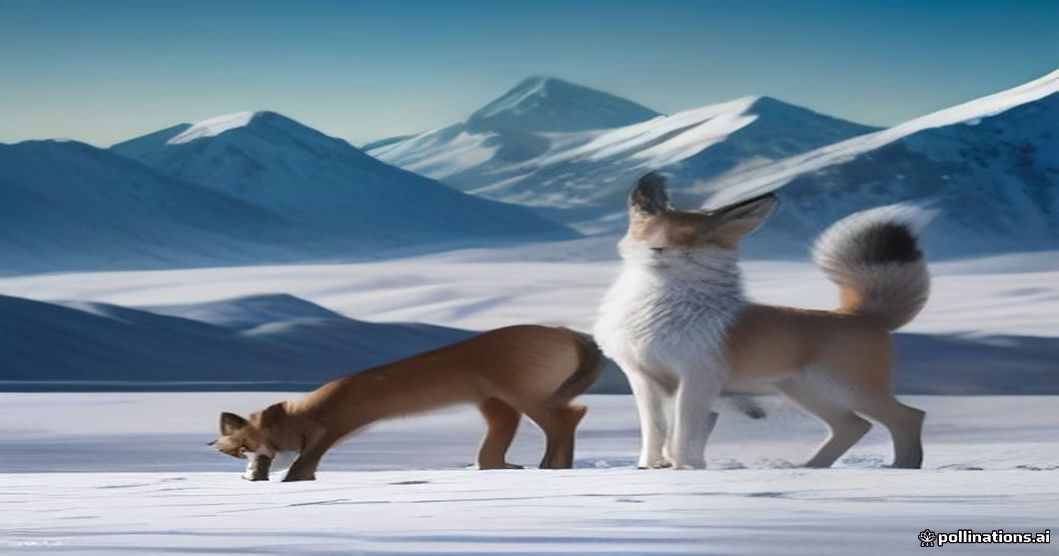
One of the most remarkable features of the Corsac fox is its seasonal coat transformation. This physical shift is crucial for survival in the harsh, cold steppes, providing both essential thermal insulation against sub-zero temperatures and effective camouflage against the snowy, rocky landscape. Their fur grows remarkably thick and pale silver-gray in the winter, before shedding into a shorter, reddish-gray coat during the warmer months.
Vocalizations and Burrowing Behavior
Beyond their impressive coats, Corsac foxes are known for their unique vocalizations, which include a variety of barks, screams, and growls used to communicate with family members and deter rivals. Furthermore, they are excellent diggers, creating extensive burrow systems that offer vital shelter from extreme weather predators, and serve as safe havens for raising their young pups.
Conservation and Health Insights
Understanding the natural behaviors and habitat needs of wild canids like the Corsac fox helps veterinarians and conservationists appreciate the delicate balance of steppe ecosystems. Their reliance on complex burrows and seasonal adaptations highlights the intricate ways wildlife interacts with a rapidly changing environment, reminding us of the importance of preserving their native grasslands.
Written by Mohammed Murtaja
Editor-in-Chief & Executive Publisher of ZooPulse. Senior investigative journalist directing evidence-based research, veterinary science verification, and editorial governance.
Related Stories
 Uncategorized
First Training Sessions Under the Big Top: A Veterinary Guide to Acclimating Performance Animals
Entering a major performance arena or tent for the first time is a monumental milestone for any working or performance animal. Whether preparing an agility dog for a national competition in an exhibition tent or conditioning a trick-performing canine or equine partner, the environment beneath the ‘big top’ presents an overwhelming sensory landscape. As veterinary […]
 Uncategorized
Unveiling the Corsac Fox: The Charming Steppe Fox of Central Asia
Introduction to the Corsac Fox The Corsac Fox, scientifically known as Vulpes corsac and commonly referred to as the Steppe Fox, derives its name from the Turkic word “karsak,” which aptly describes someone or something small in stature. As a dedicated veterinarian and pet care expert, exploring the unique adaptations of wild canids like the […]
 Uncategorized
Paws and Peaks: A Veterinarian’s Guide to Pet Health and Care in Almaty, Kazakhstan
Introduction to Pet Care in Almaty Nestled against the majestic backdrop of the Tian Shan mountains, Almaty is a vibrant and picturesque city that offers a wonderful lifestyle for pet owners. From scenic walks in First President’s Park to exploring the foothills, life with dogs and cats here is full of adventure. However, caring for […]