Unveiling the Corsac Fox: The Charming Steppe Fox of Central Asia
Introduction to the Corsac Fox The Corsac Fox, scientifically known as Vulpes corsac and commonly referred to as the Steppe Fox, derives its name from the Turkic word “karsak,” which aptly describes someone or something small in stature. As a dedicated veterinarian and pet care expert, exploring the unique adaptations of wild canids like the […]
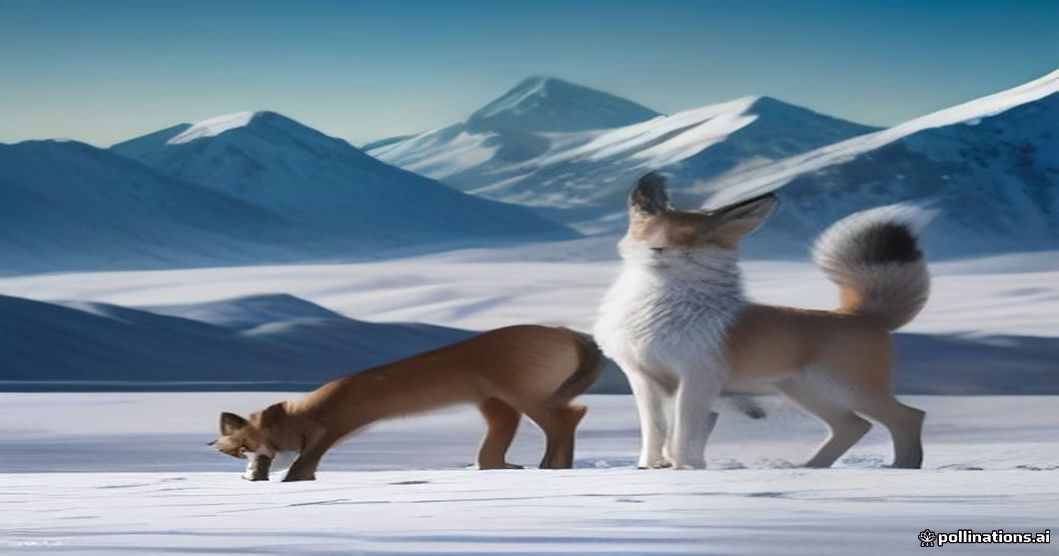
Introduction to the Corsac Fox
The Corsac Fox, scientifically known as Vulpes corsac and commonly referred to as the Steppe Fox, derives its name from the Turkic word “karsak,” which aptly describes someone or something small in stature. As a dedicated veterinarian and pet care expert, exploring the unique adaptations of wild canids like the Corsac Fox offers fascinating insights into how species survive in extreme environments. This remarkable fox is smaller than its Arctic relative and closely resembles a miniature red fox. Its compact body rarely exceeds half a meter in length, and it typically weighs no more than six kilograms.
Seasonal Coat Variations: Summer vs. Winter
One of the most striking biological features of the Corsac Fox is its dramatic seasonal coat transformation. In the warmer summer months, the fox’s fur is notably coarse, sparse, and short, while its tail becomes thin and patchy. During this period, the distinctive silver sheen disappears entirely, replaced by a dull, ochre coloration. This sparse summer coat makes the head appear disproportionately large, highlighting a lean body frame supported by long legs.
The Stunning Winter Transformation
As harsh winter temperatures descend upon the steppes, the Corsac Fox undergoes a magnificent metamorphosis. Its winter coat becomes exceptionally lush, elegant, and dense to provide vital insulation against the bitter cold. The tail transforms into a thick, bushy masterpiece that can measure between 25 to 35 centimeters, often reaching half the total length of the animal’s body or more. Understanding these remarkable physiological adaptations underscores the resilience and beauty of wild canine species navigating changing habitats.
Written by Mohammed Murtaja
Editor-in-Chief & Executive Publisher of ZooPulse. Senior investigative journalist directing evidence-based research, veterinary science verification, and editorial governance.
Related Stories
 Uncategorized
First Training Sessions Under the Big Top: A Veterinary Guide to Acclimating Performance Animals
Entering a major performance arena or tent for the first time is a monumental milestone for any working or performance animal. Whether preparing an agility dog for a national competition in an exhibition tent or conditioning a trick-performing canine or equine partner, the environment beneath the ‘big top’ presents an overwhelming sensory landscape. As veterinary […]
 Uncategorized
Secrets of the Corsac Fox: Surviving and Thriving in the Harsh Steppes
Introduction to the Corsac Fox As a veterinarian and wildlife enthusiast, I am always fascinated by how species adapt to some of the most unforgiving environments on Earth. The Corsac fox is a masterclass in evolutionary survival, native to the arid steppes, semi-deserts, and grasslands of Central Asia and parts of Northeast Asia. To endure […]
 Uncategorized
Paws and Peaks: A Veterinarian’s Guide to Pet Health and Care in Almaty, Kazakhstan
Introduction to Pet Care in Almaty Nestled against the majestic backdrop of the Tian Shan mountains, Almaty is a vibrant and picturesque city that offers a wonderful lifestyle for pet owners. From scenic walks in First President’s Park to exploring the foothills, life with dogs and cats here is full of adventure. However, caring for […]