Giants of the Reef: Unveiling the Majestic Tridacna gigas
Introduction to a Marine Titan The ocean depths hold many wonders, but few are as awe-inspiring as the Tridacna gigas, commonly known as the Giant Clam. As a marine biology and animal health expert, I find these creatures to be a testament to the resilience and complexity of our coral reef ecosystems. Found nestled within […]
Introduction to a Marine Titan
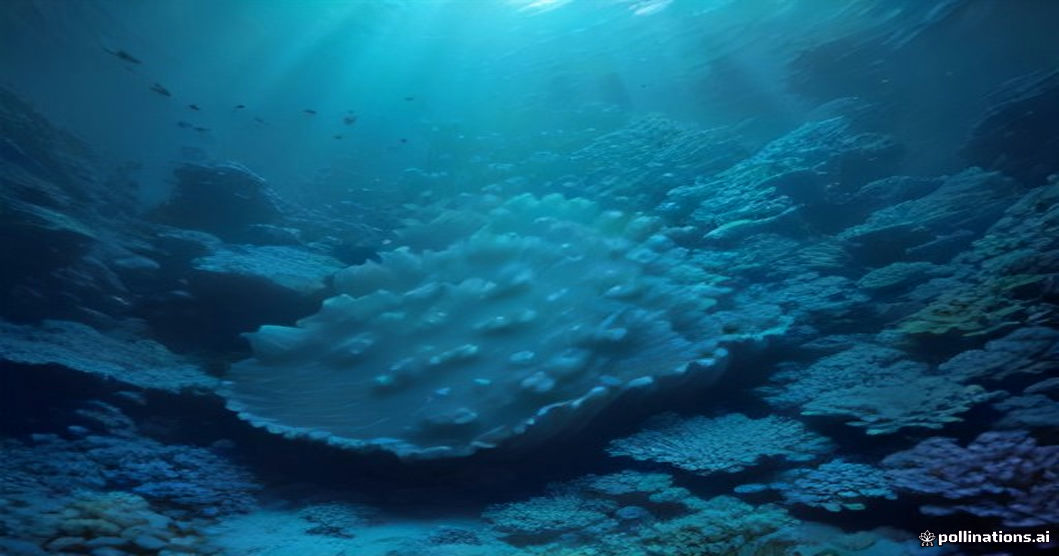
The ocean depths hold many wonders, but few are as awe-inspiring as the Tridacna gigas, commonly known as the Giant Clam. As a marine biology and animal health expert, I find these creatures to be a testament to the resilience and complexity of our coral reef ecosystems. Found nestled within the vibrant reefs of the Pacific and Indian Oceans, these massive mollusks serve as both biological marvels and essential indicators of reef health.
Staggering Scale and Longevity
The sheer size of Tridacna gigas is difficult to comprehend without seeing one in person. These giants can grow up to 1.2 meters in length and exceed a weight of 200 kilograms. Their growth is a slow, steady process, allowing them to achieve a remarkable lifespan that often exceeds 100 years. This longevity makes them some of the longest-living inhabitants of the ocean floor, surviving through decades of environmental changes.
Biological Functions and Nutritional Symbiosis
Giant Clams are master filter feeders. They play a critical role in purifying the surrounding water by consuming microorganisms. However, their primary source of nutrition comes from a fascinating symbiotic relationship with photosynthetic algae known as zooxanthellae. These algae live within the clam’s colorful mantle, providing nutrients via photosynthesis in exchange for protection and access to sunlight. This unique partnership is what allows the clam to grow to such record-breaking proportions.
The Legend of the Pearls
Beyond their biological significance, Giant Clams are famous for producing massive, non-nacreous pearls. Unlike the shimmering pearls found in oysters, these are often matte but incredibly large. A famous example is the “Pearl of Lao Tzu,” which weighed a staggering 6.4 kilograms. While these pearls are biological anomalies, they add to the mystique and cultural value of the species.
Conservation and the Future of the Giant Clam
Despite their size, Tridacna gigas is a vulnerable species. They are highly sensitive to water temperature changes and pollution, which can lead to coral bleaching and the loss of their symbiotic algae. Protecting these reef giants is essential for maintaining the biodiversity of our oceans and ensuring that future generations can witness the majesty of these ancient, living filters.
Written by Mohammed Murtaja
Editor-in-Chief & Executive Publisher of ZooPulse. Senior investigative journalist directing evidence-based research, veterinary science verification, and editorial governance.
Related Stories
 Uncategorized
Unlocking the Secrets of the Indian Glass Catfish: A Rare Delight for Experienced Aquarists
Introduction to the Ghostly Beauty The Indian glass catfish, scientifically known as Kryptopterus bicirrhis, is truly one of the most fascinating aquatic species available in the hobby. Growing up to 15 centimeters in length, this remarkable freshwater fish is native to Southeast Asia, where it famously inhabits large, flowing river systems with murky waters, such […]
 Uncategorized
Parrotfish: The Friendly Guardians of Our Coral Reefs
Introduction to the Vibrant Parrotfish Parrotfish, belonging to the family Scaridae, are among the most charismatic and colorful inhabitants of the marine world. Easily recognized by their vibrant hues and unique anatomical features, these gentle swimmers are a true delight for snorkelers, divers, and underwater photographers alike. Found gracefully gliding through shallow tropical waters, they […]
 Uncategorized
Exploring Dantewada: A Magical Pet-Friendly Paradise in Thailand
Discovering the Enchantment of Dantewada Tucked away in the heart of Thailand lies Dantewada, a truly magical destination that feels straight out of a storybook. Famous for its breathtaking turquoise ponds, lush tropical greenery, and enchanting fairytale atmosphere, this location captivates every traveler who visits. But beyond its aesthetic appeal, it serves as a wonderful […]