Unlocking the Secrets of the Indian Glass Catfish: A Rare Delight for Experienced Aquarists
Introduction to the Ghostly Beauty The Indian glass catfish, scientifically known as Kryptopterus bicirrhis, is truly one of the most fascinating aquatic species available in the hobby. Growing up to 15 centimeters in length, this remarkable freshwater fish is native to Southeast Asia, where it famously inhabits large, flowing river systems with murky waters, such […]
Introduction to the Ghostly Beauty
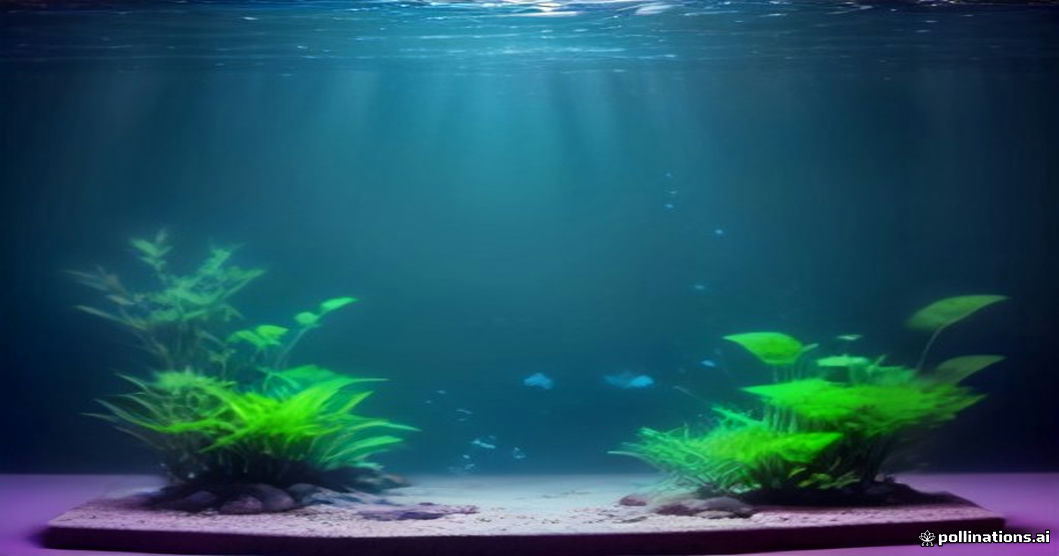
The Indian glass catfish, scientifically known as Kryptopterus bicirrhis, is truly one of the most fascinating aquatic species available in the hobby. Growing up to 15 centimeters in length, this remarkable freshwater fish is native to Southeast Asia, where it famously inhabits large, flowing river systems with murky waters, such as the legendary Mekong basin. Their almost entirely transparent body reveals their skeletal structure and internal organs, making them an absolute showstopper in any properly maintained aquarium.
Natural Habitat and Behavioral Insights
In the wild, these diurnal and highly social creatures are accustomed to environments featuring strong water currents and muddy shorelines. As avid schooling fish, they thrive when kept in groups rather than in isolation. Their natural diet is diverse, consisting of small fish, insects, and various crustaceans. Replicating these specific conditions in a home aquarium is key to ensuring their longevity, health, and vibrant natural behaviors.
Expert Care Requirements and Tank Setup
It is vital to note that the Indian glass catfish is definitely not a fish for beginners. To provide them with a thriving ecosystem, aquarists will need an aquarium measuring at least 100 cm in length to accommodate their swimming needs. Furthermore, because they are deeply communal, they must be kept in schools of 10 to 15 individuals to reduce stress and promote natural schooling dynamics. Maintaining pristine water quality, adequate filtration to simulate strong currents, and a well-planted tank with subdued lighting will keep these delicate, translucent swimmers healthy and content for years to come.
Written by Mohammed Murtaja
Editor-in-Chief & Executive Publisher of ZooPulse. Senior investigative journalist directing evidence-based research, veterinary science verification, and editorial governance.
Related Stories
 Uncategorized
Giants of the Reef: Unveiling the Majestic Tridacna gigas
Introduction to a Marine Titan The ocean depths hold many wonders, but few are as awe-inspiring as the Tridacna gigas, commonly known as the Giant Clam. As a marine biology and animal health expert, I find these creatures to be a testament to the resilience and complexity of our coral reef ecosystems. Found nestled within […]
 Uncategorized
Parrotfish: The Friendly Guardians of Our Coral Reefs
Introduction to the Vibrant Parrotfish Parrotfish, belonging to the family Scaridae, are among the most charismatic and colorful inhabitants of the marine world. Easily recognized by their vibrant hues and unique anatomical features, these gentle swimmers are a true delight for snorkelers, divers, and underwater photographers alike. Found gracefully gliding through shallow tropical waters, they […]
 Uncategorized
Exploring Dantewada: A Magical Pet-Friendly Paradise in Thailand
Discovering the Enchantment of Dantewada Tucked away in the heart of Thailand lies Dantewada, a truly magical destination that feels straight out of a storybook. Famous for its breathtaking turquoise ponds, lush tropical greenery, and enchanting fairytale atmosphere, this location captivates every traveler who visits. But beyond its aesthetic appeal, it serves as a wonderful […]