Harmonious Heights: A Professional Guide to Reconciling and Introducing Companion Birds
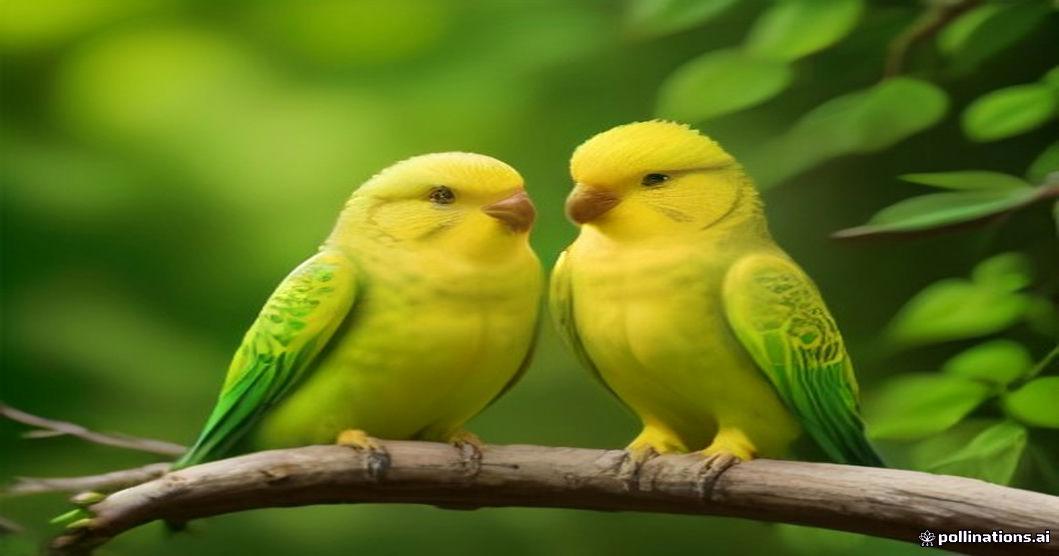
Understanding Avian Social Dynamics Birds are inherently social creatures, yet their flock dynamics are governed by complex hierarchies and territorial instincts. Whether you are introducing a new bird to your home or attempting to reconcile two birds that have had a falling out, the process requires a deep understanding of avian psychology. Forced interactions often […]
Understanding Avian Social Dynamics
Birds are inherently social creatures, yet their flock dynamics are governed by complex hierarchies and territorial instincts. Whether you are introducing a new bird to your home or attempting to reconcile two birds that have had a falling out, the process requires a deep understanding of avian psychology. Forced interactions often lead to stress or physical injury, so a methodical, slow-paced approach is essential for long-term peace.
The Importance of Neutral Territory
Territoriality is a primary cause of aggression in pet birds. A bird’s cage is their sanctuary, and an intruder—even a potential friend—can be viewed as a threat. When beginning the reconciliation process, always use a neutral room where neither bird has established dominance. This levels the playing field and reduces the urge to defend resources like food bowls or favorite perches.
The Step-by-Step Integration Process
The safest method for reconciliation is the ‘side-by-side’ technique. Start by placing the birds in separate cages a few feet apart. This allows them to observe each other’s body language and vocalizations without the risk of physical contact. Over several days or weeks, gradually move the cages closer. Once they show signs of curiosity rather than aggression—such as soft chirping or preening in each other’s presence—you can move to supervised out-of-cage time in the neutral zone.
Monitoring Body Language and Signs of Progress
As a caregiver, you must become an expert in bird body language. Positive signs include relaxed feathers, ‘beaking’ (gentle touching of beaks), and mutual preening. Conversely, warning signs such as pinned eyes, fanned tails, lunging, or ‘beak clicking’ indicate that the birds are not yet comfortable. If any aggressive physical contact occurs, immediately separate them and return to the previous step of the integration process.
Creating a Shared Positive Experience
Reconciliation can be accelerated by associating the other bird’s presence with positive rewards. Provide high-value treats to both birds simultaneously while they are in the neutral zone. This ‘cooperative feeding’ helps reframe their perception of the other bird from a rival to a source of positive outcomes. Ensure there are multiple feeding stations to prevent ‘resource guarding,’ which is a common trigger for avian conflict.
When to Seek Professional Intervention
In some cases, despite your best efforts, reconciliation may be stagnant or increasingly violent. If a bird is showing signs of extreme stress, such as feather plucking or lethargy, or if there is a risk of severe injury, consult an avian behaviorist or a specialized veterinarian. Some personalities simply do not mesh, and a professional can help determine if a ‘neighbor-only’ relationship is the safest outcome for your feathered companions.
Written by Mohammed Murtaja
Editor-in-Chief & Executive Publisher of ZooPulse. Senior investigative journalist directing evidence-based research, veterinary science verification, and editorial governance.
Related Stories
 Animal News
A Veterinarian’s Guide to Exploring Seljalandsfoss: Traveling Safely with Your Pet
The Majestic Beauty of Seljalandsfoss Seljalandsfoss is one of Iceland’s most famous and picturesque waterfalls, characterized by its stunning 60-meter drop and the unique opportunity for visitors to walk behind the cascading curtain of water. For pet owners, this natural wonder is a bucket-list destination, but as a veterinary professional, I advise that such an […]
 Animal News
The Fascinating Emerald Long-tailed Lizard: Care and Natural History
Introduction to the Emerald Long-tailed Lizard The Emerald Long-tailed Lizard (Takydromus smaragdinus) is a stunning, small, and slender reptile native to the lush Ryukyu Islands of Japan. Renowned for their vibrant green coloration and remarkably elongated tails, these lizards have captured the hearts of reptile enthusiasts and herpetologists alike. As a professional veterinarian, I always […]
 Animal News
Unlocking the Wonders of Caprine Care: A Comprehensive Guide to Goat Health and Behavior
When people casually remark, ‘Such a goat,’ they often underestimate the incredible depth, intelligence, and complex care requirements of these remarkable ruminants. Goats have transitioned from purely agricultural livestock to beloved homestead companions and therapy animals, yet their fundamental health and nutritional needs remain specialized and demanding. Understanding Caprine Psychology and Herd Dynamics Goats are […]