Unlocking the Wonders of Caprine Care: A Comprehensive Guide to Goat Health and Behavior
When people casually remark, ‘Such a goat,’ they often underestimate the incredible depth, intelligence, and complex care requirements of these remarkable ruminants. Goats have transitioned from purely agricultural livestock to beloved homestead companions and therapy animals, yet their fundamental health and nutritional needs remain specialized and demanding. Understanding Caprine Psychology and Herd Dynamics Goats are […]
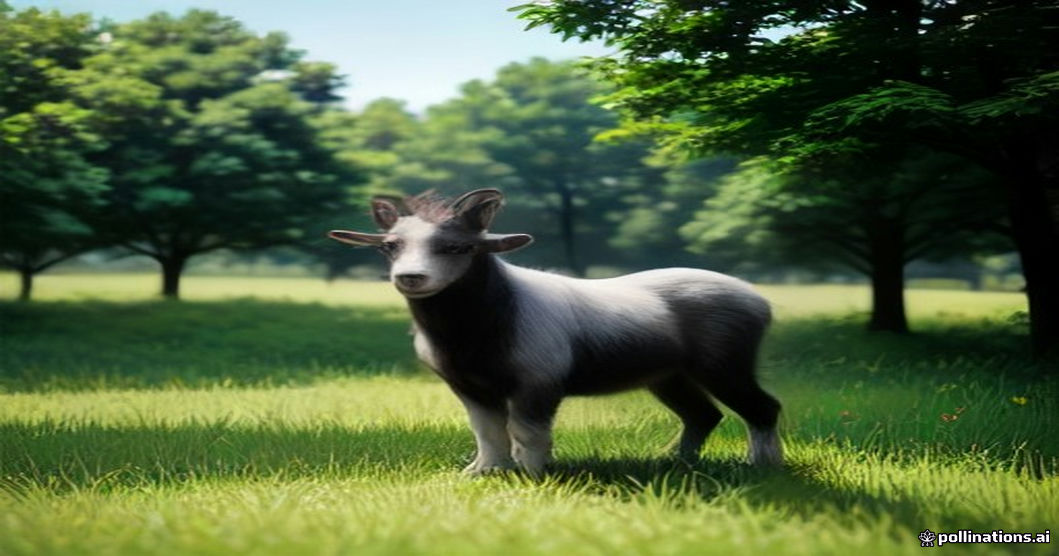
When people casually remark, ‘Such a goat,’ they often underestimate the incredible depth, intelligence, and complex care requirements of these remarkable ruminants. Goats have transitioned from purely agricultural livestock to beloved homestead companions and therapy animals, yet their fundamental health and nutritional needs remain specialized and demanding.
Understanding Caprine Psychology and Herd Dynamics
Goats are inherently social creatures with a strong herd mentality. As a veterinarian, I always emphasize that keeping a solitary goat is a recipe for behavioral distress and chronic stress. They thrive in dynamic social structures where they can establish mutual bonds, engage in playful head-butting, and communicate through a rich vocabulary of bleats and body language. Providing adequate mental stimulation and environmental enrichment—such as climbing structures and puzzle feeders—is vital for their psychological well-being.
Nutritional Essentials and Digestive Health
As ruminants with a four-chambered stomach, goats require a carefully balanced diet focused primarily on high-quality roughage. Unlike sheep, goats are natural browsers rather than grazers, meaning they prefer shrubs, woody plants, and weeds over flat pasture grass. Providing access to clean water, free-choice loose minerals specifically formulated for goats, and roughage like grass hay is essential to prevent common, life-threatening digestive issues such as ruminal acidosis and bloat.
Preventative Healthcare and Routine Maintenance
Maintaining a healthy herd requires proactive veterinary management. Routine hoof trimming is crucial to prevent lameness and foot rot, especially in damp environments. Additionally, parasite management must be approached strategically using methods like the FAMACHA system to check for anemia, minimizing the risk of drug resistance in internal parasites. Regular vaccinations against common clostridial diseases and tetanus are non-negotiable pillars of a sound preventative healthcare plan.
Conclusion
Caring for goats is a deeply rewarding endeavor that blends veterinary science with daily dedication. By understanding their unique social structures, nutritional quirks, and preventative health needs, owners can ensure their caprine companions lead long, vibrant, and healthy lives. Whether they are clearing brush or simply greeting you at the gate, goats truly reward the attentive caregiver with unmatched charm and affection.
Written by Mohammed Murtaja
Editor-in-Chief & Executive Publisher of ZooPulse. Senior investigative journalist directing evidence-based research, veterinary science verification, and editorial governance.
Related Stories
 Animal News
Why Peanuts Are Dangerous for Squirrels: A Veterinarian’s Guide to Proper Wildlife Nutrition
When we see backyard squirrels scampering across our lawns, it is only natural to want to share a snack with them. For generations, a handful of leftover peanuts has been the go-to treat for many wildlife enthusiasts. However, as a veterinary professional, I often have to share a surprising and critical piece of advice: squirrels […]
 Animal News
Unusual Outings with Pets: A Veterinarian’s Guide to Safe Exploration
As a veterinarian, I often hear pet owners recount tales of unexpected adventures. Recently, a client described what they called ‘quite an unusual outing,’ which prompted me to think deeply about how we introduce our animal companions to the world beyond our backyards. While dogs traditionally enjoy walks in the park, and cats are usually […]
 Animal News
Unraveling the Mysteries of Raccoon Vocalizations: What is Your Little Raccoon Telling You?
When people think of raccoons, they often picture masked bandits rummaging through garbage cans under the cover of night. However, rehabilitators and specialized exotic pet owners know a different side of these intelligent mammals: the distinct and surprisingly expressive sounds of a little raccoon. From soft purrs to urgent chatters, understanding these vocalizations is key […]