High-Altitude Pet Safety: Navigating the Extreme Elevations of the Gokyo Lakes Region
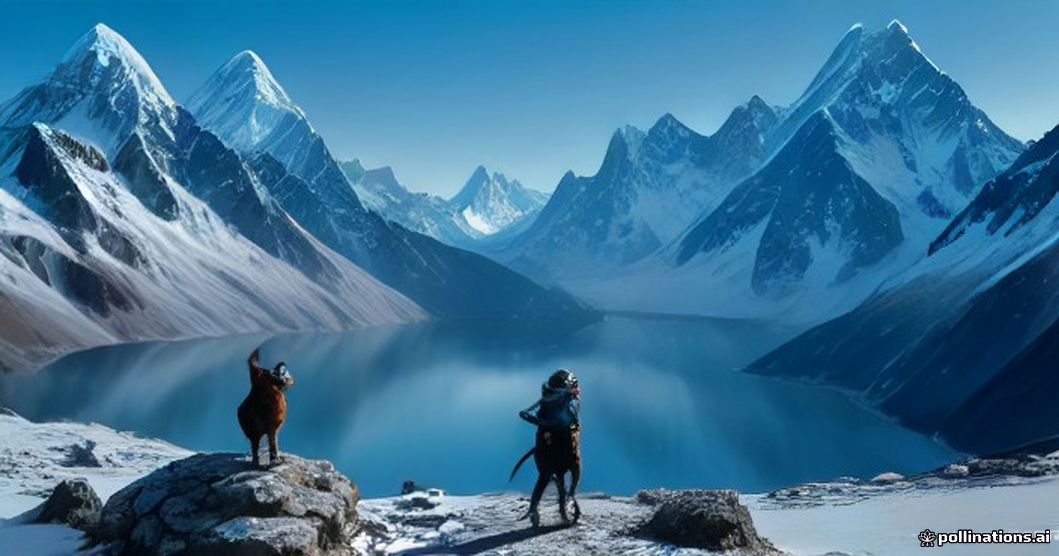
The Physiological Challenge of High-Altitude Environments The Gokyo Lakes, situated at a staggering 5,483 meters above sea level at the foot of Gokyo Peak in the Mount Everest region, represent one of the most breathtaking yet physiologically demanding environments on Earth. For pet owners and working dog handlers, these extreme altitudes present unique challenges that […]
The Physiological Challenge of High-Altitude Environments
The Gokyo Lakes, situated at a staggering 5,483 meters above sea level at the foot of Gokyo Peak in the Mount Everest region, represent one of the most breathtaking yet physiologically demanding environments on Earth. For pet owners and working dog handlers, these extreme altitudes present unique challenges that go far beyond simple cold weather protection. At this height, the atmospheric pressure is significantly lower, meaning there is less oxygen available for every breath your animal takes.
Understanding High-Altitude Sickness in Dogs
Just like humans, animals can suffer from Acute Mountain Sickness (AMS), High-Altitude Pulmonary Edema (HAPE), and High-Altitude Cerebral Edema (HACE). When ascending toward the Gokyo Lakes, it is critical to monitor your canine companion for signs of hypoxia. Symptoms often include excessive panting even at rest, lethargy, loss of appetite, pale or bluish gums (cyanosis), and a persistent dry cough. If an animal begins to show signs of incoordination or ataxia, it is a medical emergency that requires immediate descent.
Acclimatization and Cardiovascular Strain
The cardiovascular system of a dog must work significantly harder at 5,483 meters to deliver oxygen to vital organs. For breeds not native to the Himalayas, such as the hardy Tibetan Mastiff or the Sherpa dogs, this transition requires a slow, graded ascent. Veterinarians recommend a maximum ascent of 300 to 500 meters per day once you pass the 3,000-meter mark. This allows the animal’s body to increase red blood cell production, helping to transport limited oxygen more efficiently through the bloodstream.
Hydration and Nutrition at 5,483 Meters
The air at high altitudes in the Everest region is exceptionally dry. Dogs lose a significant amount of moisture through respiration and panting. Maintaining electrolyte balance is vital to prevent kidney strain and dehydration. Furthermore, the metabolic demand at these heights is immense; animals require calorie-dense nutrition to maintain body temperature and energy levels. High-fat, high-protein diets are essential for any animal traversing the rugged terrain surrounding Gokyo Peak.
Paw Health and UV Protection
Beyond the internal physiological risks, the physical environment of the Gokyo Lakes poses external threats. The rocky, often icy paths can lead to pad abrasions and frostbite. Additionally, the UV radiation at 5,483 meters is intense. Dogs with light-colored coats or thin fur on their noses and ears are at risk for solar dermatitis and even squamous cell carcinoma. Using pet-safe sunscreens and protective booties is a standard recommendation for any high-altitude expedition involving domestic animals.
Written by Mohammed Murtaja
Editor-in-Chief & Executive Publisher of ZooPulse. Senior investigative journalist directing evidence-based research, veterinary science verification, and editorial governance.
Related Stories
 Uncategorized
Unveiling the Wonders of the Amazon: The Caiman Lizard and Smooth-Fronted Caiman
Introduction to the Caiman Lizard The Caiman Lizard (Dracaena guianensis) is a magnificent, large semi-aquatic reptile native to the lush riverine forests of South America. Known for its striking appearance, it features powerful paired scales along its neck, tail, and back that grant it a distant, prehistoric resemblance to a true crocodile. Typically reaching lengths […]
 Uncategorized
Unveiling the Fascinating American Woodcock: A Master of Camouflage and Avian Anatomy
Introduction to the American Woodcock The American Woodcock (Scolopax minor) is a truly remarkable avian resident of the eastern United States. Spending the majority of its life on the ground, this secretive bird is heavily reliant on its exceptional plumage, which serves as a masterclass in natural camouflage among shrubs and dense undergrowth. Anatomy and […]
 Uncategorized
Paws in the Dunes: Navigating Pet Care Amid Saudi Arabia’s Cinematic Sandy Landscapes
The Allure of the Saudi Desert Saudi Arabia’s breathtaking, cinematic sandy landscapes evoke a sense of timeless wonder. From the golden dunes of the Rub’ al Khali to the dramatic rock formations of AlUla, these vast expanses offer a stunning backdrop for outdoor enthusiasts. However, for pet owners and animal health professionals, these majestic environments […]