Paws in the Dunes: Navigating Pet Care Amid Saudi Arabia’s Cinematic Sandy Landscapes
The Allure of the Saudi Desert Saudi Arabia’s breathtaking, cinematic sandy landscapes evoke a sense of timeless wonder. From the golden dunes of the Rub’ al Khali to the dramatic rock formations of AlUla, these vast expanses offer a stunning backdrop for outdoor enthusiasts. However, for pet owners and animal health professionals, these majestic environments […]
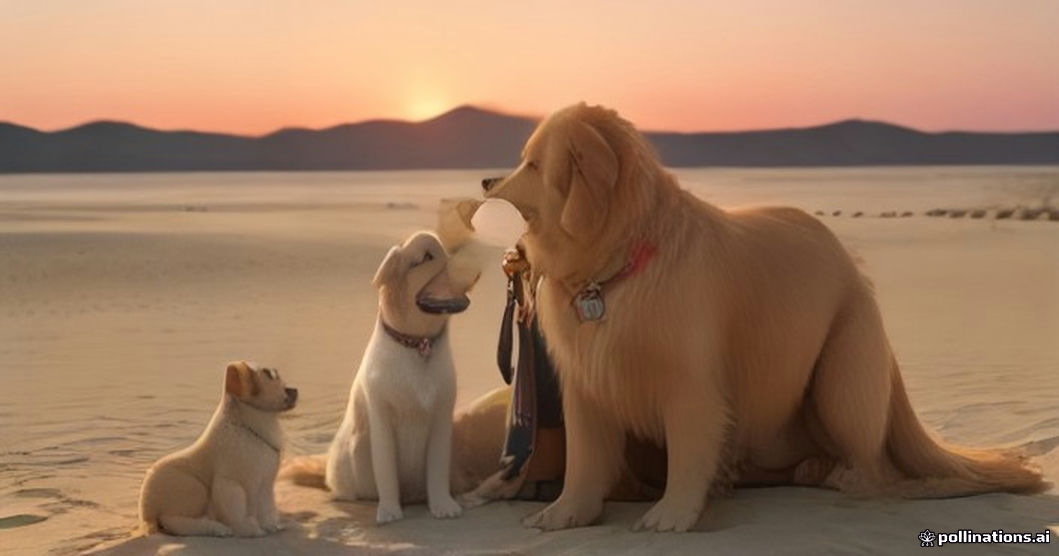
The Allure of the Saudi Desert
Saudi Arabia’s breathtaking, cinematic sandy landscapes evoke a sense of timeless wonder. From the golden dunes of the Rub’ al Khali to the dramatic rock formations of AlUla, these vast expanses offer a stunning backdrop for outdoor enthusiasts. However, for pet owners and animal health professionals, these majestic environments present unique challenges and hazards that require careful navigation to keep our furry companions safe and healthy.
Understanding Environmental Hazards
While the desert is undeniably picturesque, the extreme climate poses significant risks to pets. High ambient temperatures can cause rapid dehydration, heatstroke, and severe paw pad burns from blistering hot sand. Additionally, fine desert sand can easily irritate a pet’s eyes, ears, and respiratory system, while native wildlife and hidden crevices present secondary dangers for curious explorers.
Essential Veterinary Care and Hydration
Prevention is the cornerstone of desert pet care. Veterinarians strongly advise keeping pets indoors during peak daylight hours, ensuring constant access to fresh, cool water, and utilizing protective booties designed for extreme terrain. Regular check-ups are also vital to monitor for parasite prevention, as arid regions can still harbor ticks and fleas that thrive in unexpected microclimates.
Embracing Safe Outdoor Adventures
Exploring Saudi Arabia’s natural beauty with your pets is entirely possible with the right precautions. By planning outings during the cooler early morning or late evening hours, protecting sensitive paws, and remaining vigilant about hydration and shade, pet parents can enjoy the majestic sandy landscapes while prioritizing the health and well-being of their animal companions.
Written by Mohammed Murtaja
Editor-in-Chief & Executive Publisher of ZooPulse. Senior investigative journalist directing evidence-based research, veterinary science verification, and editorial governance.
Related Stories
 Uncategorized
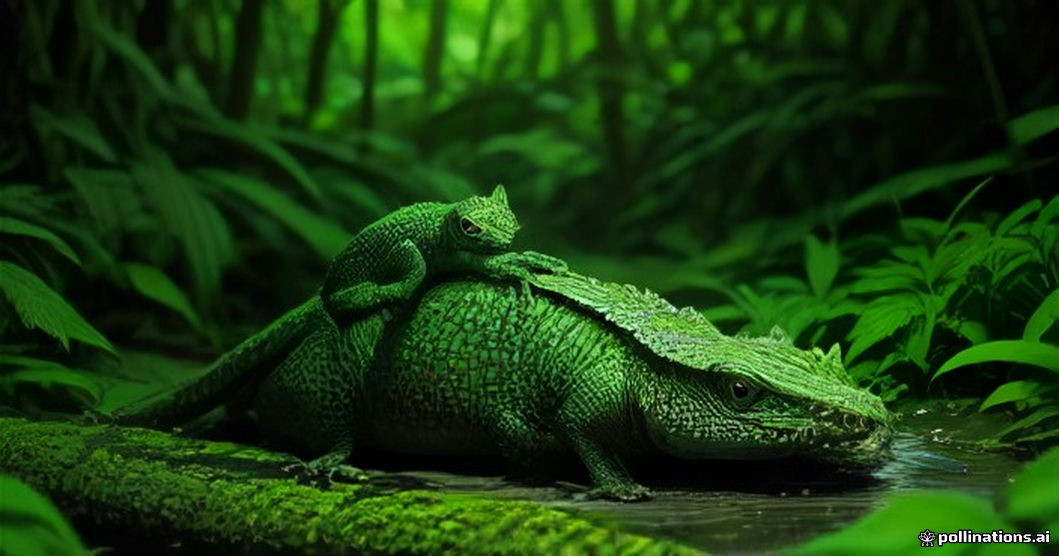
Unveiling the Wonders of the Amazon: The Caiman Lizard and Smooth-Fronted Caiman
Introduction to the Caiman Lizard The Caiman Lizard (Dracaena guianensis) is a magnificent, large semi-aquatic reptile native to the lush riverine forests of South America. Known for its striking appearance, it features powerful paired scales along its neck, tail, and back that grant it a distant, prehistoric resemblance to a true crocodile. Typically reaching lengths […]
 Uncategorized
Unveiling the Fascinating American Woodcock: A Master of Camouflage and Avian Anatomy
Introduction to the American Woodcock The American Woodcock (Scolopax minor) is a truly remarkable avian resident of the eastern United States. Spending the majority of its life on the ground, this secretive bird is heavily reliant on its exceptional plumage, which serves as a masterclass in natural camouflage among shrubs and dense undergrowth. Anatomy and […]
 Uncategorized
High-Altitude Pet Safety: Navigating the Extreme Elevations of the Gokyo Lakes Region
The Physiological Challenge of High-Altitude Environments The Gokyo Lakes, situated at a staggering 5,483 meters above sea level at the foot of Gokyo Peak in the Mount Everest region, represent one of the most breathtaking yet physiologically demanding environments on Earth. For pet owners and working dog handlers, these extreme altitudes present unique challenges that […]