The Remarkable Spiny Lumpsucker: Nature’s Armored Marine Marvel
Among the cold, turbulent depths of the northern oceans resides one of marine biology’s most charismatic and anatomically peculiar teleost fish: the Spiny Lumpsucker (Eumicrotremus spinosus). Far from an ordinary swimmer, this miniature vertebrate possesses an array of unique physiological and morphological adaptations that allow it to thrive in some of the most unforgiving aquatic […]
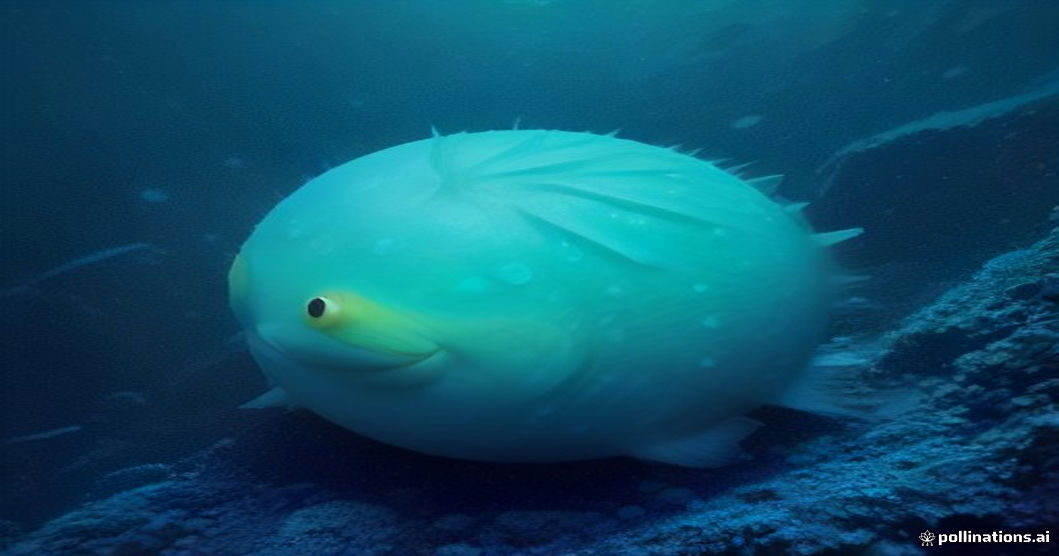
Among the cold, turbulent depths of the northern oceans resides one of marine biology’s most charismatic and anatomically peculiar teleost fish: the Spiny Lumpsucker (Eumicrotremus spinosus). Far from an ordinary swimmer, this miniature vertebrate possesses an array of unique physiological and morphological adaptations that allow it to thrive in some of the most unforgiving aquatic environments on Earth.
Anatomical Wonders: The Specialized Adhesive Disc
The most striking physical characteristic of the spiny lumpsucker is its modified pelvic fin apparatus. Rather than functioning as traditional paired fins used for steering and lift, these ventral structures have fused into a robust, specialized suction disc. This anatomical modification allows the lumpsucker to firmly anchor itself to rocky substrates, boulders, and marine flora, counteracting strong undersea surges and turbulent currents.
Complementing this adhesive mechanism is the species’ globular, almost spherical body plan. Instead of typical scales, the dermis of Eumicrotremus spinosus is heavily armored with cone-shaped bony tubercles or ‘spines.’ These calcified projections serve a dual physiological purpose: providing vital structural defense against opportunistic predators and augmenting camouflage amid rocky reef environments.
Habitat and Environmental Niche
Spiny lumpsuckers are native to the frigid marine waters of the Arctic and the North Atlantic Ocean. They typically inhabit sublittoral and bathyal zones, frequently documented at depths ranging between 60 and 200 meters, though specimens have occasionally been recorded in even deeper waters. Their survival relies on stable, low-temperature marine environments where dissolved oxygen levels are high.
Reaching a modest adult size of approximately 13 centimeters (around 5 inches) in length, their compact size allows them to exploit microhabitats along benthic surfaces, wedging into crevices and anchoring to stable formations where larger predatory species cannot easily dislodge them.
Dietary Habits and Benthic Ecology
Despite their slow-moving, sedentary demeanor, spiny lumpsuckers are skilled opportunistic carnivores. Their diet primarily consists of small, benthic invertebrates, including amphipods, isopods, and a variety of tiny marine crustaceans. They also consume polychaete worms and occasionally pelagic larvae drifting within their striking range.
Because their globular morphology prevents rapid pursuit swimming, these fish rely largely on a sit-and-wait foraging strategy. Firmly adhered to their chosen vantage point, they wait for unsuspecting prey to drift into proximity before executing a rapid buccal suction motion to ingest their meal whole.
Health, Conservation, and Ecological Significance
From an ecological and animal health perspective, the spiny lumpsucker plays a critical role in the benthic trophic web, transferring energy from micro-crustaceans to larger marine apex predators, including cod, sculpins, and seals. While not routinely kept in standard home aquaria due to their stringent cold-water requirements and specialized dietary needs, public oceanariums and marine researchers study them closely as bio-indicators of northern marine ecosystem health and cold-water adaptation.
Written by Mohammed Murtaja
Editor-in-Chief & Executive Publisher of ZooPulse. Senior investigative journalist directing evidence-based research, veterinary science verification, and editorial governance.
Related Stories
 Uncategorized
The Joyful World of Otter Dances: Behavior, Play, and Animal Health
Understanding the Playful Nature of Otters When we think of aquatic mammals, few capture our hearts quite like the otter. Known for their intelligence, sleek agility, and endearing antics, otters frequently engage in a behavior that observers affectionately call the ‘otter dance.’ Whether spinning in the water, rolling on riverbanks, or sliding down muddy slopes, […]
 Uncategorized
Majestic Realms: Understanding the Health and Well-Being of Guard and Estate Dogs
When we envision the grandeur of historic castles, we often picture towering stone walls, sweeping courtyards, and centuries of rich history. However, these magnificent estates were rarely empty; they were historically guarded and accompanied by powerful, noble breeds of dogs designed to protect these vast territories. The Legacy of Estate Guardians From the Mastiff pacing […]
 Uncategorized
The Incredible Serval Leap: Anatomy and Athleticism of Africa’s High-Flying Wild Cat
Introduction to the Serval When it comes to acrobatic prowess in the feline world, the serval (Leptailurus serval) stands out as a true master of vertical space. Native to the African savannahs, this medium-sized wild cat is uniquely adapted for a life of high-stakes hunting, most notably characterized by its breathtaking and precise leaping ability. […]