The Incredible Serval Leap: Anatomy and Athleticism of Africa’s High-Flying Wild Cat
Introduction to the Serval When it comes to acrobatic prowess in the feline world, the serval (Leptailurus serval) stands out as a true master of vertical space. Native to the African savannahs, this medium-sized wild cat is uniquely adapted for a life of high-stakes hunting, most notably characterized by its breathtaking and precise leaping ability. […]
Introduction to the Serval
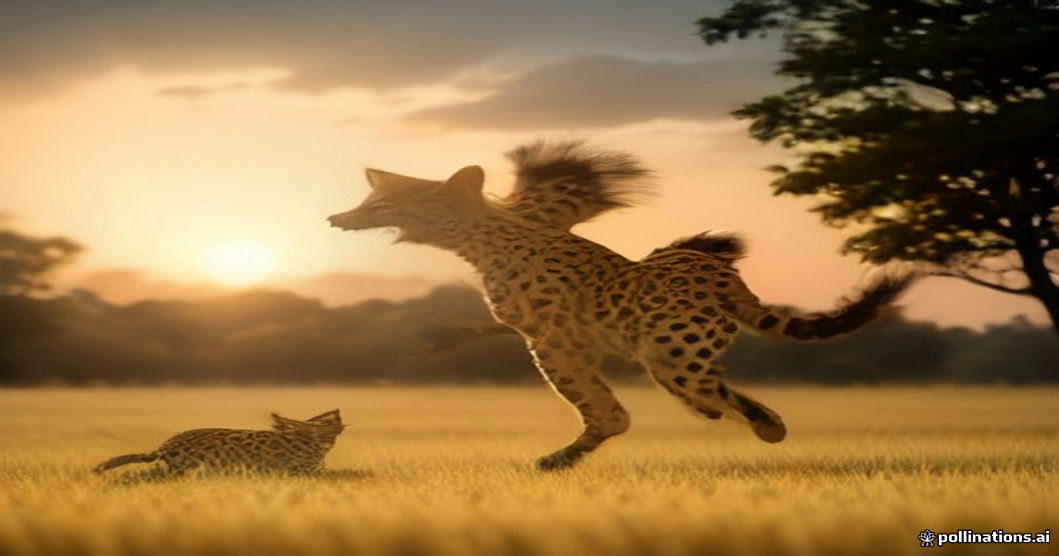
When it comes to acrobatic prowess in the feline world, the serval (Leptailurus serval) stands out as a true master of vertical space. Native to the African savannahs, this medium-sized wild cat is uniquely adapted for a life of high-stakes hunting, most notably characterized by its breathtaking and precise leaping ability.
Anatomical Marvels of the Jumping Cat
The serval’s extraordinary leaping capability is no accident of nature; it is the result of specialized evolutionary adaptations. Possessing the longest legs relative to body size of any feline species, along with an exceptionally slender and flexible spine, a serval can launch itself up to 9 feet (2.7 meters) into the air from a stationary position. Furthermore, their oversized ears provide acute directional hearing, allowing them to pinpoint the exact location of prey hidden beneath tall grass or underground.
The Mechanics of the Hunt
Unlike ambush predators that chase their quarry across the ground, the serval relies on an overhead aerial strike. By listening intently for rodent activity, the cat calculates distance and trajectory with pinpoint accuracy before executing a powerful vertical leap. It then plunges downward with its front paws outstretched, pinning the prey beneath its weight. This unique hunting style boasts one of the highest success rates in the animal kingdom, often exceeding fifty percent.
Conservation and Understanding Wild Felines
As exotic pets, servals require specialized care that mimics their natural environment, though veterinary experts strongly advocate for keeping them in conservation sanctuaries where they can fully express their natural behaviors, including their legendary leaps. Protecting their natural habitats ensures these magnificent athletes continue to grace the African grasslands with their remarkable agility.
Written by Mohammed Murtaja
Editor-in-Chief & Executive Publisher of ZooPulse. Senior investigative journalist directing evidence-based research, veterinary science verification, and editorial governance.
Related Stories
 Uncategorized
A Veterinary Guide to Akyaka, Türkiye: Paradise for Pets and Wildlife
Nestled where the Azmak River meets the Gulf of Gökova, Akyaka, Türkiye, is a breathtaking destination known for its slow-paced charm, traditional architecture, and stunning natural beauty. For pet owners and animal lovers, this coastal haven offers a unique blend of serene living and rich biodiversity, making it an increasingly popular spot for travelers and […]
UncategorizedDecoding Pet Communication: Why Validation is Key to Your Animal’s Well-Being
Understanding Your Pet’s Vocalizations As pet parents, we often find ourselves having full-blown conversations with our dogs, cats, and other animal companions. When we respond with phrases like, ‘Yes, honey, you’re absolutely right!’, it might feel like a whimsical human habit, but it actually plays a surprisingly profound role in animal-human bonding. The Science of […]
 Uncategorized
Avian Architecture and Biology: Getting to Know the Remarkable Hammerkop (Scopus umbretta)
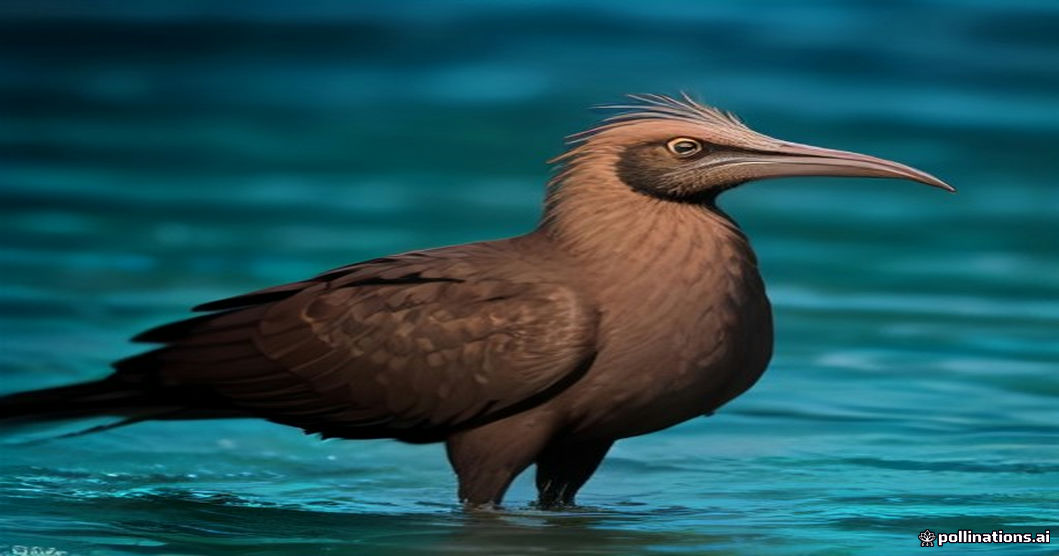
When exploring the diverse and fascinating avian life of the African continent and Madagascar, few species capture the imagination quite like the Hammerkop (Scopus umbretta). Named for its unmistakable silhouette, this medium-sized wading bird features a distinctive head shape created by a heavy, sharp bill and a wide, sweeping rear crest that bears a striking […]