Nature’s Fluffy Phantoms: The Fascinating World of Fulgorid Lanternfly Larvae
Unveiling the Mysterious Fulgorid Lanternfly Larvae When we think of forest pests and fascinating insects, creatures like cicadas often come to mind. However, their close relatives, the Fulgorid Lanternflies (family Fulgoridae), harbor some of the most bizarre and brilliant developmental stages in the insect kingdom. Today, we are turning our attention to the lanternfly larvae—microscopic […]
Unveiling the Mysterious Fulgorid Lanternfly Larvae
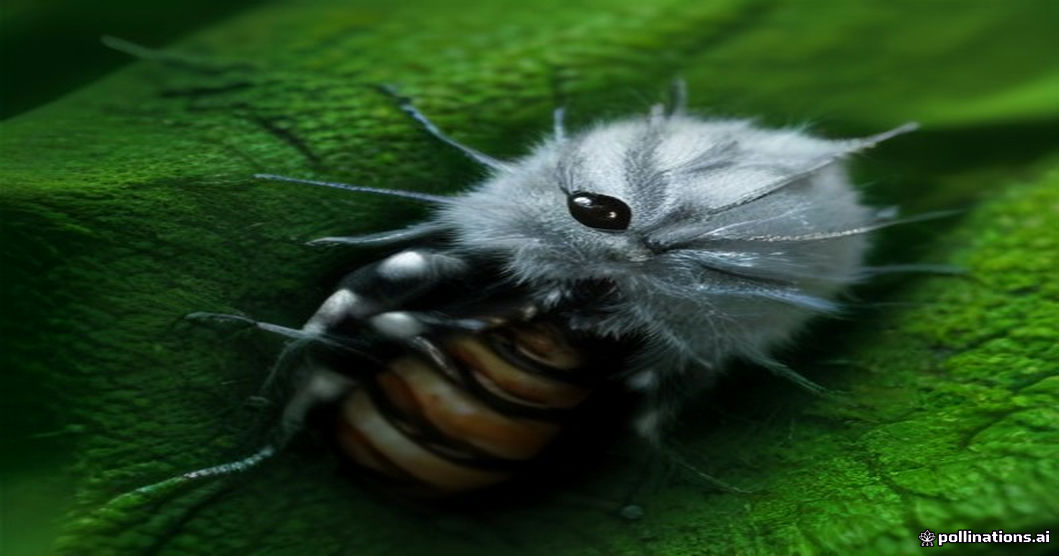
When we think of forest pests and fascinating insects, creatures like cicadas often come to mind. However, their close relatives, the Fulgorid Lanternflies (family Fulgoridae), harbor some of the most bizarre and brilliant developmental stages in the insect kingdom. Today, we are turning our attention to the lanternfly larvae—microscopic marvels that have evolved a truly unique survival strategy.
The Secret Behind the White Fluff
If you were to spot a lanternfly larva in the wild, you might mistake it for a crawling ball of white fluff or a piece of drifting dandelion seed. In reality, these clever nymphs cover their entire bodies in specialized waxy threads. This intricate coat serves multiple crucial survival purposes:
- Predator and Parasite Deterrence: The wax is largely unappealing to predators, and microscopic parasites find it nearly impossible to breach this dense, protective barrier to reach the delicate nymph beneath.
- Natural Camouflage: The disheveled, cotton-like appearance allows the larvae to effectively blend in with patches of lichen and fungus on tree bark.
- Water Repellency: Because the wax is strongly hydrophobic, it repels water effortlessly, protecting the larvae from drowning during severe tropical downpours.
Anatomy Built for Survival
The ingenuity of these creatures doesn’t stop at mere camouflage. These hydrophobic waxy threads are secreted directly from specialized glands located on the larvae’s abdomen. Remarkably, this fluffy architecture also acts as a biological parachute, helping to soften the impact if a nymph loses its grip and falls from a high branch. Furthermore, the larvae possess a specialized tail that works in tandem with the hydrophobic wax to help them stay afloat should they accidentally land in water.
From Fluff to Flight: The Adult Transformation
As these remarkable insects mature, their appearance undergoes a dramatic metamorphosis. The soft, fluffy, crawling larvae eventually transform into striking adult lanternflies, known for their distinct jumping ability and delicate, paper-like wing structures. While adults present their own ecological curiosities, the waxy larval stage remains one of the most brilliant examples of nature’s evolutionary ingenuity.
Written by Mohammed Murtaja
Editor-in-Chief & Executive Publisher of ZooPulse. Senior investigative journalist directing evidence-based research, veterinary science verification, and editorial governance.
Related Stories
 Nature
Nicole the Great White: The Epic Ocean Crossing That Rewrote Marine Biology
The Incredible Journey of an Apex Predator In 2003, marine researchers tagged a magnificent 3.8-meter great white shark named Nicole off the coast of South Africa. Little did scientists know, this individual would soon shatter long-held assumptions about marine migration and the behavioral patterns of ocean apex predators. A Transoceanic Marathon Displaying astonishing endurance, Nicole […]
 Nature
Marvels of the Marine World: The Incredible Tridacna Gigas
Introduction to the Ocean’s Gentle Giant Deep within the warm, crystal-clear waters of the Pacific and Indian Ocean coral reefs lies one of the most magnificent creatures on Earth: the Giant Clam, scientifically known as Tridacna gigas. As a marine veterinarian and pet care expert, I am always fascinated by how these colossal mollusks contribute […]
 Nature
Parrotfish: The Friendly Guardians of Our Coral Reefs
Introduction to the Vibrant Parrotfish As a veterinarian and marine life enthusiast, I am often asked about the most fascinating inhabitants of our global coral reefs. Among the most charismatic are the parrotfish, belonging to the family Scaridae. Renowned for their vibrant colors and generally peaceful demeanor, these gentle swimmers are a true joy for […]