Parrotfish: The Friendly Guardians of Our Coral Reefs
Introduction to the Vibrant Parrotfish As a veterinarian and marine life enthusiast, I am often asked about the most fascinating inhabitants of our global coral reefs. Among the most charismatic are the parrotfish, belonging to the family Scaridae. Renowned for their vibrant colors and generally peaceful demeanor, these gentle swimmers are a true joy for […]
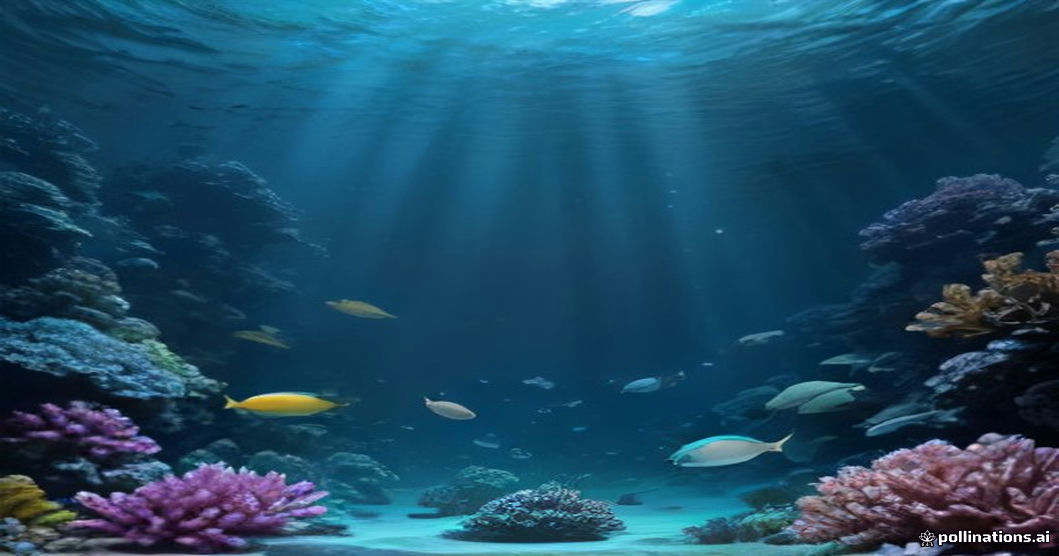
Introduction to the Vibrant Parrotfish
As a veterinarian and marine life enthusiast, I am often asked about the most fascinating inhabitants of our global coral reefs. Among the most charismatic are the parrotfish, belonging to the family Scaridae. Renowned for their vibrant colors and generally peaceful demeanor, these gentle swimmers are a true joy for scuba divers and underwater photographers alike. Moving at a leisurely, graceful pace, parrotfish provide a serene presence in the bustling ecosystem of the reef.
Anatomy and Unique Feeding Habits
One of the most remarkable features of the parrotfish is its distinctive beak-like mouth. Formed by fused teeth, this specialized structure allows them to expertly scrape algae and coral polyps from hard surfaces. But their digestive process doesn’t stop there! Once ingested, internal pharyngeal (throat) teeth crush the hard coral fragments into fine sand. In fact, these incredible creatures play a vital role in tropical beaches, as much of the white sand found in paradise destinations has actually passed through a parrotfish!
Global Habitats and Distribution
Parrotfish are widespread across the warm, tropical waters of the globe. They primarily inhabit shallow coral reefs in the Pacific, Indian, and Atlantic Oceans, as well as the Caribbean, Red, and Mediterranean Seas. These shallow waters provide them with abundant sunlight and the diverse food sources necessary for their survival and vibrant coloration.
Can You Keep a Parrotfish in a Home Aquarium?
Given their beauty and friendly nature, many aquarists wonder if they can keep a parrotfish in a home tank. Unfortunately, the answer is no. Due to their specialized feeding habits—requiring constant scraping of live coral and massive amounts of space—parrotfish simply cannot thrive in captivity. They are wild creatures destined to roam the open reefs, where they actively contribute to the health and cleanliness of marine ecosystems.
Written by Mohammed Murtaja
Editor-in-Chief & Executive Publisher of ZooPulse. Senior investigative journalist directing evidence-based research, veterinary science verification, and editorial governance.
Related Stories
 Uncategorized
The Coastal Guardians: Exploring the Unique Biology and Behavior of the Vancouver Island Wolf
Introduction to an Island Icon Deep within the temperate rainforests and rugged coastlines of British Columbia lies the realm of the Vancouver Island Wolf (Canis lupus ligoni). As an endemic subspecies, these remarkable canines have evolved in relative isolation, developing unique characteristics that set them apart from their continental relatives. While they typically sport coats […]
 Uncategorized
Unraveling the Mysteries of Raccoon Vocalizations: What is Your Little Raccoon Telling You?
When people think of raccoons, they often picture masked bandits rummaging through garbage cans under the cover of night. However, rehabilitators and specialized exotic pet owners know a different side of these intelligent mammals: the distinct and surprisingly expressive sounds of a little raccoon. From soft purrs to urgent chatters, understanding these vocalizations is key […]
 Uncategorized
Mastering the Art of Canine Cleanliness: Insights from a Professional Grooming Lesson
As a veterinarian and pet care advocate, I always emphasize that grooming is much more than just keeping our furry companions looking their best—it is an essential pillar of their overall health and well-being. Recently, I attended an intensive hands-on washing and bathing lesson led by master groomers, and the experience reinforced just how nuanced […]