Nurturing Tiny Titans: The Ultimate Guide to Baby Chameleon Care
Introduction to Baby Chameleons Breeding and raising baby chameleons is a rewarding yet intensely demanding endeavor. These miniature marvels of the reptile world are notoriously delicate, requiring precise environmental parameters to thrive during their most vulnerable life stage. From their mesmerizing independent eye movement to their lightning-fast tongues, baby chameleons exhibit fascinating behaviors from day […]
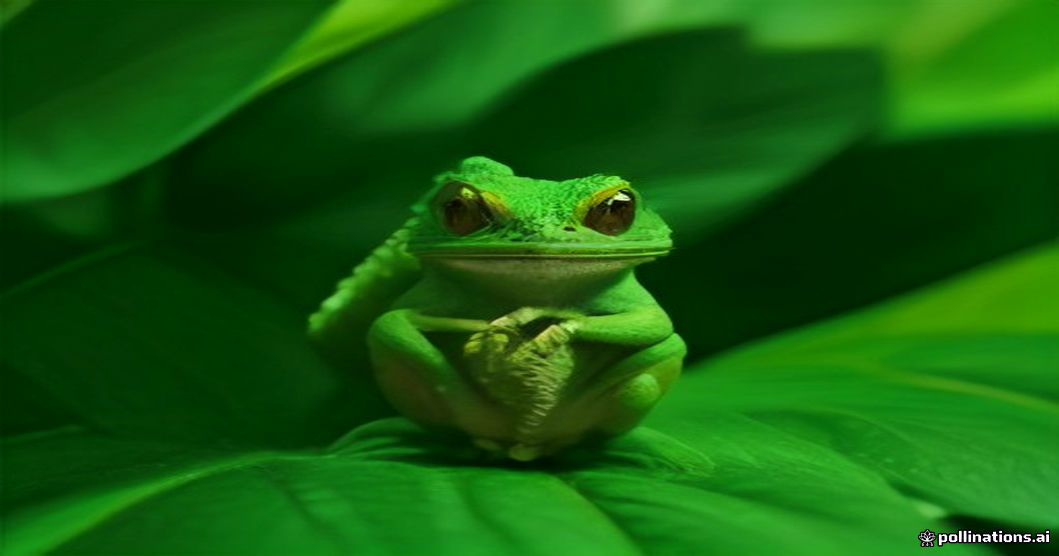
Introduction to Baby Chameleons
Breeding and raising baby chameleons is a rewarding yet intensely demanding endeavor. These miniature marvels of the reptile world are notoriously delicate, requiring precise environmental parameters to thrive during their most vulnerable life stage. From their mesmerizing independent eye movement to their lightning-fast tongues, baby chameleons exhibit fascinating behaviors from day one, but their care demands absolute dedication from any aspiring keeper.
Setting Up the Ideal Nursery Enclosure
Unlike adult chameleons that often do well in screened cages, neonates and juveniles require enclosures that maintain stable humidity levels while providing adequate ventilation. A screen enclosure lined with live, non-toxic plants such as Ficus or Pothos is ideal. These plants offer essential hiding spots, mimic their natural arboreal habitat, and help maintain ambient humidity. Branching structures of varying diameters must be provided to exercise their zygodactylous feet and prevent joint issues.
Lighting, Temperature, and UV Requirements
Proper lighting is non-negotiable for metabolic bone disease (MBD) prevention. Baby chameleons need a linear UVB output bulb (such as a 5.0 or 10.0 depending on the brand) operating for 10 to 12 hours daily. A basking spot ranging from 85°F to 88°F should be established at the top of the enclosure, creating a proper thermal gradient down to room temperature at the bottom. Monitoring these temperatures with digital thermometers is critical to avoid overheating these tiny creatures.
Hydration: The Lifeline of Neonates
Chameleons rarely drink from stagnant water bowls; instead, they rely on morning dew and glistening droplets on leaves. To replicate this, use an automated misting system two to three times a day coupled with a gentle drip system. Ensure the water droplets are small enough for them to lap up easily. Observing your baby chameleon drinking is one of the best indicators of a healthy hydration routine.
Nutritional Needs and Supplementation
Baby chameleons have voracious appetites to fuel their rapid growth. They should be fed appropriately sized, freshly gut-loaded insects such as pinhead crickets, fruit flies, and newly hatched silkworms, offered multiple times a day. Dusting these feeders with calcium powder (without D3) on most feedings and a reptile multivitamin with D3 a couple of times a month is vital for proper skeletal and organic development.
Health Monitoring and Veterinary Care
As a veterinary professional, I cannot stress enough the importance of preventative care. Watch for signs of dehydration (sunken eyes, wrinkled skin), respiratory infections (gaping, mucus, clicking sounds), and MBD (soft jaw, tremors). Quarantine new setups, maintain impeccable hygiene to prevent bacterial and fungal growth, and establish a relationship with an exotic animal veterinarian early on to give your baby chameleons the best start at a long, healthy life.
Written by Mohammed Murtaja
Editor-in-Chief & Executive Publisher of ZooPulse. Senior investigative journalist directing evidence-based research, veterinary science verification, and editorial governance.
Related Stories
 Uncategorized
Fascinating Flyers: The Biology and Behavior of Hawk Moths
Introduction to the Sphingidae Family Hawk Moths, scientifically belonging to the family Sphingidae, are renowned across the natural world for their remarkable ability to hover in mid-air above flowers. Utilizing their exceptionally long proboscis, they sip nectar with precision, a feeding behavior that often draws comparisons to hummingbirds. While many species are primarily crepuscular and […]
 Uncategorized
Unveiling the Candy Crab: The Ultimate Master of Marine Disguise
Meet the Enchanting Candy Crab In the vibrant and often perilous depths of the coral reefs, nature has crafted some of the most ingenious survival artists in the animal kingdom. Among them is the mesmerizing Candy Crab, scientifically known as Hoplophrys oatesii. Measuring a tiny 1 to 2 centimeters in length, this miniature marvel is […]
 Uncategorized
Navigating the Myth and Reality of Bali’s Giant Spiders: What Pet Owners Need to Know
Understanding Bali’s Remarkable Arachnid Population When travelers and expatriates speak of an ‘invasion’ of giant spiders in Bali, it often sparks a mixture of fascination and anxiety. As a veterinarian and animal health expert, I frequently receive frantic calls from pet owners living in or visiting Southeast Asia, concerned about the safety of their dogs […]