Unveiling the Candy Crab: The Ultimate Master of Marine Disguise
Meet the Enchanting Candy Crab In the vibrant and often perilous depths of the coral reefs, nature has crafted some of the most ingenious survival artists in the animal kingdom. Among them is the mesmerizing Candy Crab, scientifically known as Hoplophrys oatesii. Measuring a tiny 1 to 2 centimeters in length, this miniature marvel is […]
Meet the Enchanting Candy Crab
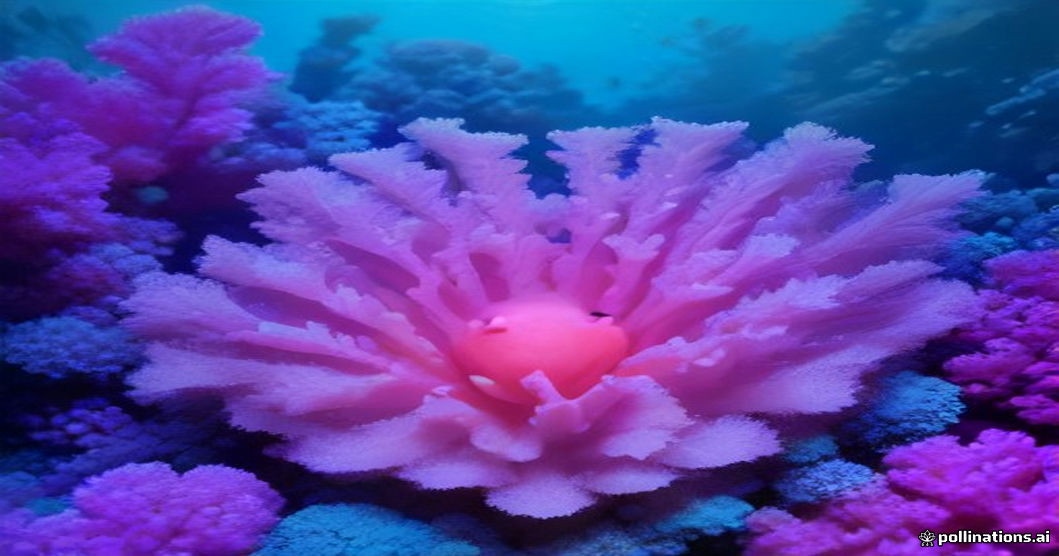
In the vibrant and often perilous depths of the coral reefs, nature has crafted some of the most ingenious survival artists in the animal kingdom. Among them is the mesmerizing Candy Crab, scientifically known as Hoplophrys oatesii. Measuring a tiny 1 to 2 centimeters in length, this miniature marvel is a testament to the wonders of marine evolution and specialized camouflage.
The Art of Aquatic Deception
How does such a small crustacean survive in a bustling ocean ecosystem full of hungry predators? The secret lies in its unique disguise. The Candy Crab meticulously attaches living pieces of soft coral to its own exoskeleton. These attached coral polyps not only match the crab’s natural bumpy texture but also continue to grow, significantly enhancing its ability to remain completely unseen by passing predators.
A Chameleon of the Coral Reef
True to its sweet name, the Candy Crab’s coloration is as dazzling as a confectionary shop. Its body color adapts directly to the specific soft coral host it inhabits, ranging from brilliant pinks and soft whites to fiery reds and sunny yellows. As veterinary and marine experts often observe, this symbiotic relationship highlights the delicate balance of reef ecosystems, where form, function, and habitat are inextricably linked.
Written by Mohammed Murtaja
Editor-in-Chief & Executive Publisher of ZooPulse. Senior investigative journalist directing evidence-based research, veterinary science verification, and editorial governance.
Related Stories
 Animal News
Navigating the Myth and Reality of Bali’s Giant Spiders: What Pet Owners Need to Know
Understanding Bali’s Remarkable Arachnid Population When travelers and expatriates speak of an ‘invasion’ of giant spiders in Bali, it often sparks a mixture of fascination and anxiety. As a veterinarian and animal health expert, I frequently receive frantic calls from pet owners living in or visiting Southeast Asia, concerned about the safety of their dogs […]
 Animal News
Nurturing Tiny Titans: The Ultimate Guide to Baby Chameleon Care
Introduction to Baby Chameleons Breeding and raising baby chameleons is a rewarding yet intensely demanding endeavor. These miniature marvels of the reptile world are notoriously delicate, requiring precise environmental parameters to thrive during their most vulnerable life stage. From their mesmerizing independent eye movement to their lightning-fast tongues, baby chameleons exhibit fascinating behaviors from day […]
 Animal News
The Rufous Motmot: A Master Hunter of the Neotropical Forests
Introduction to the Rufous Motmot The Rufous Motmot (Baryphthengus martii) is one of the most striking avian residents of the lush landscapes of Central and South America. Inhabiting a diverse range of environments from humid lowland jungles to the mist-covered mountainous forests, this bird stands as a testament to the biological richness of the Neotropics. […]