The Coastal Guardians: Exploring the Unique Biology and Behavior of the Vancouver Island Wolf
Introduction to an Island Icon Deep within the temperate rainforests and rugged coastlines of British Columbia lies the realm of the Vancouver Island Wolf (Canis lupus ligoni). As an endemic subspecies, these remarkable canines have evolved in relative isolation, developing unique characteristics that set them apart from their continental relatives. While they typically sport coats […]
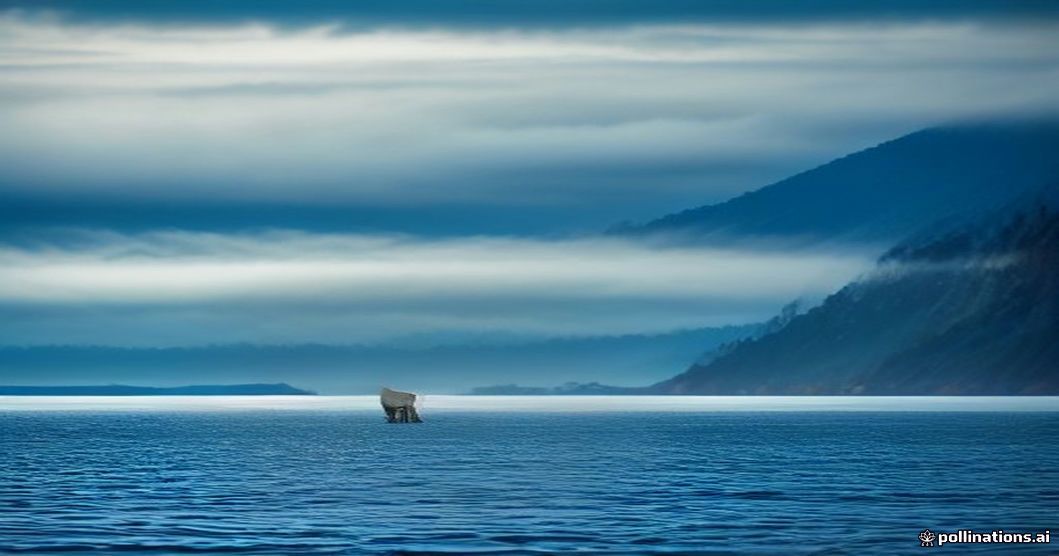
Introduction to an Island Icon
Deep within the temperate rainforests and rugged coastlines of British Columbia lies the realm of the Vancouver Island Wolf (Canis lupus ligoni). As an endemic subspecies, these remarkable canines have evolved in relative isolation, developing unique characteristics that set them apart from their continental relatives. While they typically sport coats of deep gray or black, their most fascinating traits go far beyond their striking appearance.
Genetics and Morphology
Extensive DNA research has confirmed what field researchers long suspected: Vancouver Island Wolves are genetically distinct from mainland wolf populations. According to conservationist and award-winning photographer Ian McAllister, who has studied these animals for nearly two decades, their divergence is remarkably clear. Not only are they morphologically distinct—featuring a notably smaller physical stature compared to mainland wolves—but their evolutionary adaptations have shaped their daily lives in profound ways.
Masters of the Marine Ecosystem
Perhaps the most extraordinary aspect of the Vancouver Island Wolf is its heavy reliance on the ocean. While typical wolves are apex predators of terrestrial forests, an astounding 90% of this island subspecies’ diet originates from the sea, with salmon making up a quarter of their nutritional intake. To sustain this marine-focused lifestyle, these wolves have become exceptional swimmers. Researchers have documented incredible feats of endurance, including a record-breaking 12-kilometer swim from the mainland to a remote archipelago.
Social Structure and Conservation
Living in cohesive social groups ranging from 5 to 35 individuals, these packs rely on strong familial bonds to hunt, raise pups, and defend their coastal territories. As vital apex predators, Vancouver Island Wolves play a crucial role in maintaining the ecological balance of their unique island habitat. Understanding and protecting this genetically distinct population is essential for preserving the rich biodiversity of British Columbia’s coastal wilderness.
Written by Mohammed Murtaja
Editor-in-Chief & Executive Publisher of ZooPulse. Senior investigative journalist directing evidence-based research, veterinary science verification, and editorial governance.
Related Stories
 Uncategorized
Parrotfish: The Friendly Guardians of Our Coral Reefs
Introduction to the Vibrant Parrotfish As a veterinarian and marine life enthusiast, I am often asked about the most fascinating inhabitants of our global coral reefs. Among the most charismatic are the parrotfish, belonging to the family Scaridae. Renowned for their vibrant colors and generally peaceful demeanor, these gentle swimmers are a true joy for […]
 Uncategorized
Unraveling the Mysteries of Raccoon Vocalizations: What is Your Little Raccoon Telling You?
When people think of raccoons, they often picture masked bandits rummaging through garbage cans under the cover of night. However, rehabilitators and specialized exotic pet owners know a different side of these intelligent mammals: the distinct and surprisingly expressive sounds of a little raccoon. From soft purrs to urgent chatters, understanding these vocalizations is key […]
 Uncategorized
Mastering the Art of Canine Cleanliness: Insights from a Professional Grooming Lesson
As a veterinarian and pet care advocate, I always emphasize that grooming is much more than just keeping our furry companions looking their best—it is an essential pillar of their overall health and well-being. Recently, I attended an intensive hands-on washing and bathing lesson led by master groomers, and the experience reinforced just how nuanced […]