Unraveling the Mysteries of Raccoon Vocalizations: What is Your Little Raccoon Telling You?
When people think of raccoons, they often picture masked bandits rummaging through garbage cans under the cover of night. However, rehabilitators and specialized exotic pet owners know a different side of these intelligent mammals: the distinct and surprisingly expressive sounds of a little raccoon. From soft purrs to urgent chatters, understanding these vocalizations is key […]
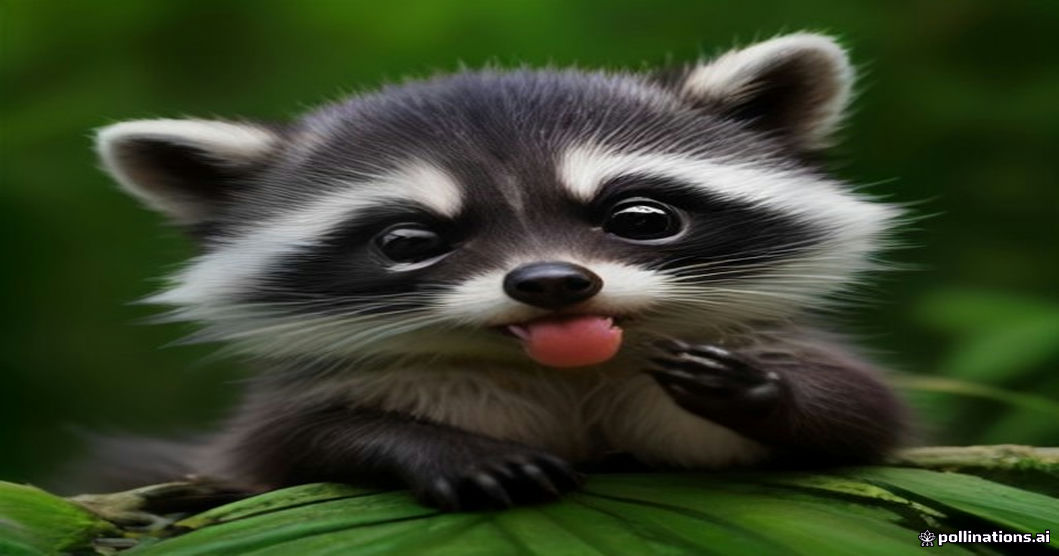
When people think of raccoons, they often picture masked bandits rummaging through garbage cans under the cover of night. However, rehabilitators and specialized exotic pet owners know a different side of these intelligent mammals: the distinct and surprisingly expressive sounds of a little raccoon. From soft purrs to urgent chatters, understanding these vocalizations is key to providing proper care and interpreting their emotional state.
The Language of Baby Raccoons: Chirps, Chrs, and Whines
Infant raccoons, often called kits, possess a rich vocabulary designed to communicate their needs to their mother—or in captive settings, their human caregivers. One of the most common sounds you will hear from a little raccoon is a high-pitched bird-like chirp or purr. This sound generally signifies contentment, security, and a need for warmth or feeding. If a kit feels separated, cold, or hungry, this chirp quickly escalates into a persistent, vibrating whimper that demands immediate attention.
Interpreting Distress and Fear
As nocturnal omnivores with complex social structures, young raccoons experience a range of emotions that translate directly into vocal cues. When startled or feeling threatened, a little raccoon may emit a sharp, explosive hiss or a low, resonant growl. These defensive sounds are designed to make the animal sound larger and more formidable than it actually is. Recognizing these warning signs is crucial for veterinary professionals and handlers to prevent stress-induced aggression or defensive biting.
Moving Toward Maturity: The Social Click
As kits grow into juveniles, their vocal repertoire evolves to include ‘chittering’ and clicking noises. These sounds are typically used during play, exploration, and social interaction with littermates. As a veterinarian and animal health writer, I always emphasize that while these sounds can be endearing, raccoons are wild animals with complex dietary, environmental, and legal requirements. Hearing the sounds of a little raccoon is a fascinating glimpse into wildlife communication, but ensuring their health and welfare requires specialized knowledge and, ideally, their eventual return to their natural woodland habitat.
Written by Mohammed Murtaja
Editor-in-Chief & Executive Publisher of ZooPulse. Senior investigative journalist directing evidence-based research, veterinary science verification, and editorial governance.
Related Stories
 Uncategorized
Parrotfish: The Friendly Guardians of Our Coral Reefs
Introduction to the Vibrant Parrotfish As a veterinarian and marine life enthusiast, I am often asked about the most fascinating inhabitants of our global coral reefs. Among the most charismatic are the parrotfish, belonging to the family Scaridae. Renowned for their vibrant colors and generally peaceful demeanor, these gentle swimmers are a true joy for […]
 Uncategorized
The Coastal Guardians: Exploring the Unique Biology and Behavior of the Vancouver Island Wolf
Introduction to an Island Icon Deep within the temperate rainforests and rugged coastlines of British Columbia lies the realm of the Vancouver Island Wolf (Canis lupus ligoni). As an endemic subspecies, these remarkable canines have evolved in relative isolation, developing unique characteristics that set them apart from their continental relatives. While they typically sport coats […]
 Uncategorized
Mastering the Art of Canine Cleanliness: Insights from a Professional Grooming Lesson
As a veterinarian and pet care advocate, I always emphasize that grooming is much more than just keeping our furry companions looking their best—it is an essential pillar of their overall health and well-being. Recently, I attended an intensive hands-on washing and bathing lesson led by master groomers, and the experience reinforced just how nuanced […]