Sacred Strolls and Animal Wellness: Veterinary Insights from Nara, Japan
When we think of Nara, Japan, the iconic image that immediately comes to mind is the free-roaming sika deer wandering gracefully through Nara Park. As veterinarians and animal health advocates, however, our perspective goes beyond the scenic tourism and delves deep into the fascinating intersection of human culture, wildlife management, and domestic pet care in […]

When we think of Nara, Japan, the iconic image that immediately comes to mind is the free-roaming sika deer wandering gracefully through Nara Park. As veterinarians and animal health advocates, however, our perspective goes beyond the scenic tourism and delves deep into the fascinating intersection of human culture, wildlife management, and domestic pet care in this historic region.
The Famous Deer of Nara: A Lesson in Population Health and Nutrition
The sacred deer of Nara are designated as natural monuments, living harmoniously alongside a bustling metropolis. Maintaining the health of over a thousand wild deer requires a delicate balance. Local wildlife veterinarians and conservationists work tirelessly to monitor their diets, particularly by regulating the sale of specially formulated ‘shika-senbei’ (deer crackers). Ensuring these animals receive proper nutrition while preventing gastrointestinal distress from inappropriate human foods is a masterclass in large-scale animal health management.
Pet Ownership in Modern Nara
Beyond the park’s famous residents, Nara is home to a thriving community of devoted domestic pet owners. Japanese pet care standards are among the highest in the world, emphasizing preventive veterinary medicine, regular dental hygiene, and longevity diets. Veterinarians in Nara report a rising trend in holistic pet wellness, including traditional therapies like acupuncture combined with advanced diagnostics, ensuring dogs and cats live vibrant, pain-free lives well into their senior years.
Travel and Animal Safety Tips for Visitors
If you are planning to visit Nara with your companion animals or simply wish to observe the local wildlife, safety and respect are paramount. For tourists interacting with the sika deer, always remember they are wild animals; maintaining a respectful distance and avoiding processed human snacks is crucial for their digestive health. For pet parents traveling to Japan, ensure your pet’s vaccinations and microchip documentation meet strict quarantine standards for a seamless, stress-free journey.
Ultimately, Nara stands as a unique testament to the deep-seated Japanese cultural respect for animals. Whether examining the herd immunity of the park’s deer or the specialized care given to household pets, Nara offers valuable lessons in empathy, stewardship, and modern veterinary excellence.
Written by Mohammed Murtaja
Editor-in-Chief & Executive Publisher of ZooPulse. Senior investigative journalist directing evidence-based research, veterinary science verification, and editorial governance.
Related Stories
 Uncategorized
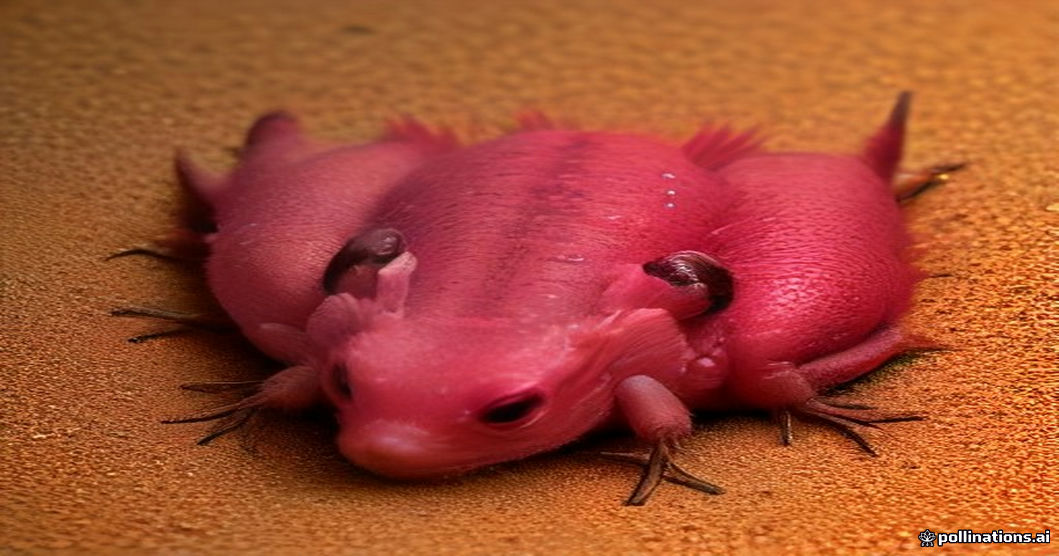
Unearthing the Secrets of the Mexican Mole Lizard (Bipes biporus)
Introduction to a Subterranean Marvel The Mexican mole lizard (Bipes biporus) is one of the most fascinating and unusual reptiles on the planet. Endemic exclusively to the Baja California Peninsula in Mexico, this remarkable creature blurs the evolutionary lines between lizards and snakes, showcasing a specialized anatomy designed entirely for a subterranean lifestyle. Physical Characteristics […]
 Uncategorized
Daphnia Demystified: The Essential Guide to the Water Flea in Aquatic Ecosystems
Often referred to as ‘water fleas,’ Daphnia are tiny crustaceans that play a massive role in freshwater ecosystems. As a cornerstone of the plankton community, these microscopic marvels are essential for maintaining biological balance in both natural bodies of water and home aquaria. While many species exist, the Simocephalus genus stands out as one of […]
 Uncategorized
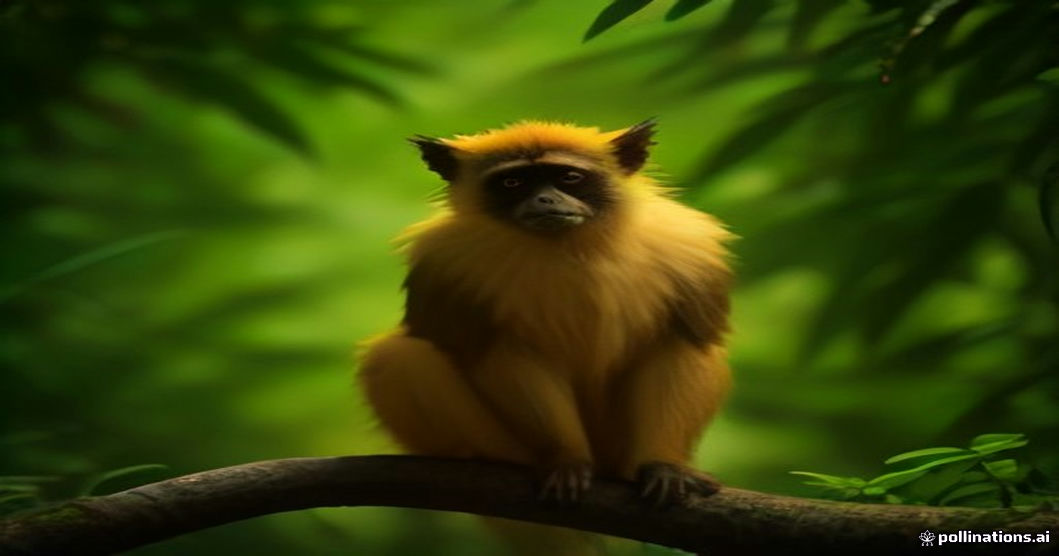
The Golden Jewel of the Canopy: Exploring the Rare Golden Langur
Introduction to a Rare Primate The Golden Langur (Trachypithecus geei) stands as one of the most striking and enigmatic primates on our planet. Found exclusively in the lush, tropical forests of western Assam, India, and the neighboring kingdom of Bhutan, this rare species serves as a vital indicator of ecological health in its narrow geographic […]