Saving the Ghost of the Iberian Peninsula: The Inspiring Story of the World’s Most Endangered Feline
Introduction to the Iberian Lynx As a veterinarian and passionate wildlife advocate, few creatures fascinate me quite as much as the Iberian lynx (Lynx pardinus). Renowned as one of the most endangered cat species on Earth, this magnificent feline is an emblem of Mediterranean wilderness and a testament to the fragile balance of our ecosystems. […]
Introduction to the Iberian Lynx
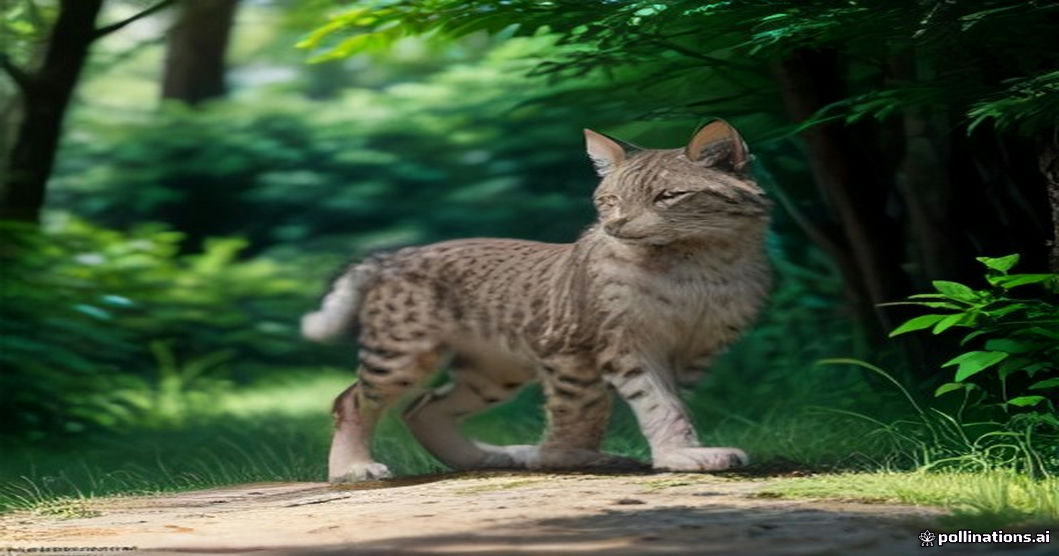
As a veterinarian and passionate wildlife advocate, few creatures fascinate me quite as much as the Iberian lynx (Lynx pardinus). Renowned as one of the most endangered cat species on Earth, this magnificent feline is an emblem of Mediterranean wilderness and a testament to the fragile balance of our ecosystems. Visually distinct from its larger cousin, the Eurasian lynx, the Iberian lynx boasts a lighter coat adorned with striking, leopard-like rosettes. Interestingly, their fur adapts seasonally, becoming duller and thinner during the winter months.
Diet and Specialized Hunting
From an ecological and nutritional standpoint, the Iberian lynx is a specialized hunter. Roughly half the size of the Eurasian lynx, this agile predator relies almost entirely on small game to meet its metabolic needs. European rabbits and hares constitute an astounding 90% of its daily diet. While their primary focus remains on lagomorphs, they are opportunistic hunters and will occasionally target young deer when food is scarce. Maintaining a healthy rabbit population is therefore vital not just for the lynx’s survival, but for the stability of the entire local food web.
Habitat and Distribution
Spotting an Iberian lynx in the wild is an extraordinary challenge due to their elusive nature and severely restricted range. Today, their primary strongholds are confined to the rugged, scrubland mountainous regions of Spain, alongside a vital, isolated population residing within the protected ecosystems of Doñana National Park. These specific Mediterranean habitats provide the dense brush cover they require for stalking prey and raising their litters safely away from human disturbance.
Conservation Status and Hope for the Future
The conservation status of the Iberian lynx remains a critical concern for veterinarians, conservationists, and animal lovers worldwide. For many years, these stunning creatures hovered on the absolute brink of extinction, with estimates suggesting only around 150 adult individuals remaining in the wild. However, thanks to tireless, coordinated conservation efforts—including captive breeding programs, habitat restoration, and prey restocking—we are beginning to see a glimmer of hope. Protecting the Iberian lynx is not merely about saving a single species; it is about preserving the rich biodiversity of our natural world for generations to come.
Written by Mohammed Murtaja
Editor-in-Chief & Executive Publisher of ZooPulse. Senior investigative journalist directing evidence-based research, veterinary science verification, and editorial governance.
Related Stories
 Wildlife
Unveiling the Bathysaurus ferox: The Apex Predator of the Abyss
Introduction to the Deep-Sea Monster In the pitch-black, freezing depths of the world’s warm oceans lies a creature straight out of a prehistoric nightmare. The Bathysaurus ferox, aptly named for its dinosaur-like appearance and ferocious hunting style, is one of the most fascinating and intimidating predators inhabiting the benthic zone of our planet. Anatomy and […]
 Wildlife
The Coastal Guardians: Exploring the Unique Biology and Behavior of the Vancouver Island Wolf
Introduction to an Island Icon Deep within the temperate rainforests and rugged coastlines of British Columbia lies the realm of the Vancouver Island Wolf (Canis lupus ligoni). As an endemic subspecies, these remarkable canines have evolved in relative isolation, developing unique characteristics that set them apart from their continental relatives. While they typically sport coats […]
 Wildlife
Miracle of Nature: The Fascinating Journey and Care of the Giant Panda Cub
Welcome to the captivating world of wildlife veterinary medicine, where every new arrival is a monumental triumph for conservation. Among the most cherished and delicate patients in the animal kingdom is the giant panda cub. Weighing merely 85 to 140 grams at birth—roughly the size of a stick of butter—these tiny newborns enter the world […]