The Early Bird Gets the Worm: Understanding Duck Foraging Behavior and Nutrition
When you spot a duck diligently dabbling and searching for its morning meal, you are witnessing millions of years of evolutionary adaptation in action. As a veterinarian and pet care expert, I often remind bird owners and enthusiasts that a duck’s morning foraging routine is much more than just a cute backyard spectacle—it is a […]

When you spot a duck diligently dabbling and searching for its morning meal, you are witnessing millions of years of evolutionary adaptation in action. As a veterinarian and pet care expert, I often remind bird owners and enthusiasts that a duck’s morning foraging routine is much more than just a cute backyard spectacle—it is a vital indicator of their health, instinctual drive, and nutritional well-being.
The Anatomy of a Morning Forager
Ducks are natural opportunists and omnivores. When a duck is looking for breakfast, its bill serves as a highly sensitive sensory tool. Equipped with tiny nerve endings called lamellae, ducks can filter mud, water, and grass to detect aquatic insects, small fish, amphibians, seeds, and plant matter. This tactile-driven search ensures they ingest a diverse array of nutrients to kickstart their day.
Nutritional Requirements for Domestic Ducks
If you keep ducks as pets, relying solely on what they find in the yard isn’t enough to keep them thriving. While foraging provides fantastic mental enrichment and natural exercise, a balanced commercial waterfowl feed is essential. In the morning, providing a quality starter, grower, or layer pellet—depending on their age and sex—ensures they receive vital amino acids like niacin, which is crucial for preventing leg deformities in ducklings.
Encouraging Healthy Foraging Habits
To support your ducks’ natural desire to hunt for breakfast, consider creating a safe foraging zone in your yard. Scatter peas, leafy greens, or safe grains in shallow water or damp grass. This mimics their natural environment, reduces boredom, and promotes natural preening and digestion. Always ensure fresh, clean water is accessible nearby, as ducks need water to wash down their food and keep their nasal passages clear.
Written by Mohammed Murtaja
Editor-in-Chief & Executive Publisher of ZooPulse. Senior investigative journalist directing evidence-based research, veterinary science verification, and editorial governance.
Related Stories
 Uncategorized
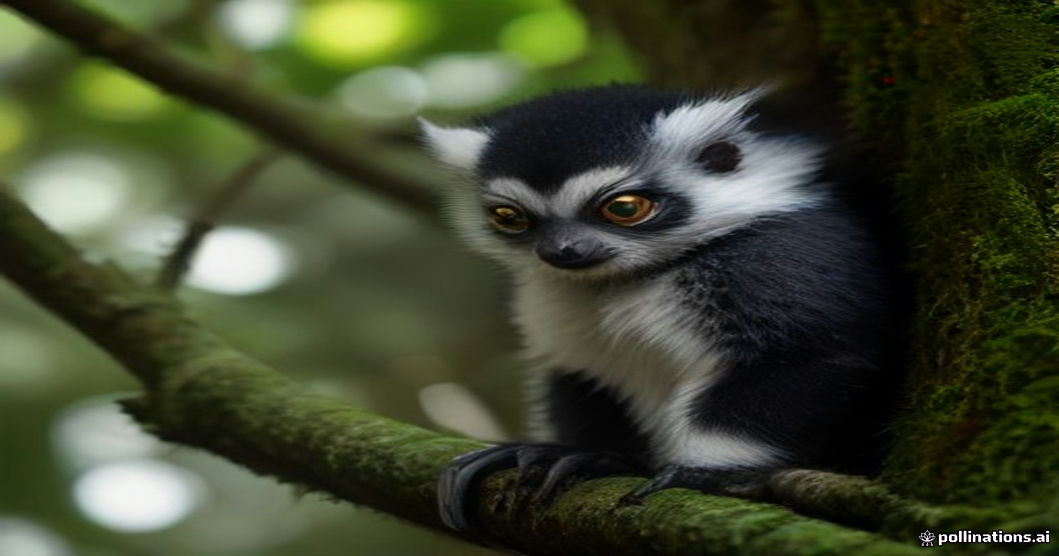
The Singing Giant of Madagascar: An In-Depth Look at the Short-Tailed Indri (Indri indri)
Deep within the mist-shrouded montane rainforests of northeastern Madagascar resides one of the most enigmatic and physically remarkable primates on Earth: the Indri (Indri indri), often referred to locally as the Babakoto. Standing as the largest extant species of lemur, the Indri occupies a distinctive ecological niche. Unlike its smaller, long-tailed relatives, the Indri possesses […]
 Uncategorized
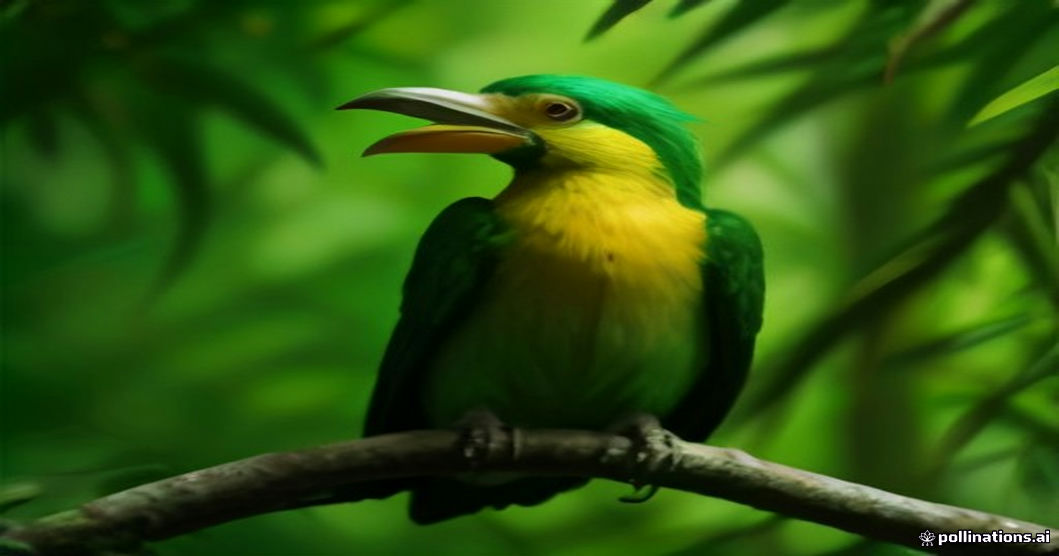
Discover the Spotted-Billed Toucanet: Jewel of the Atlantic Forest
Introduction to the Spotted-Billed Toucanet The Spotted-Billed Toucanet (Selenidera maculirostris) is a breathtaking avian species belonging to the iconic toucan family, Ramphastidae. Known for their vibrant plumage and fascinating behaviors, these birds are true jewels of the rainforest canopy. Habitat and Geographic Distribution Native to the lush Atlantic forests of southeastern Brazil, extending down into […]
 Uncategorized
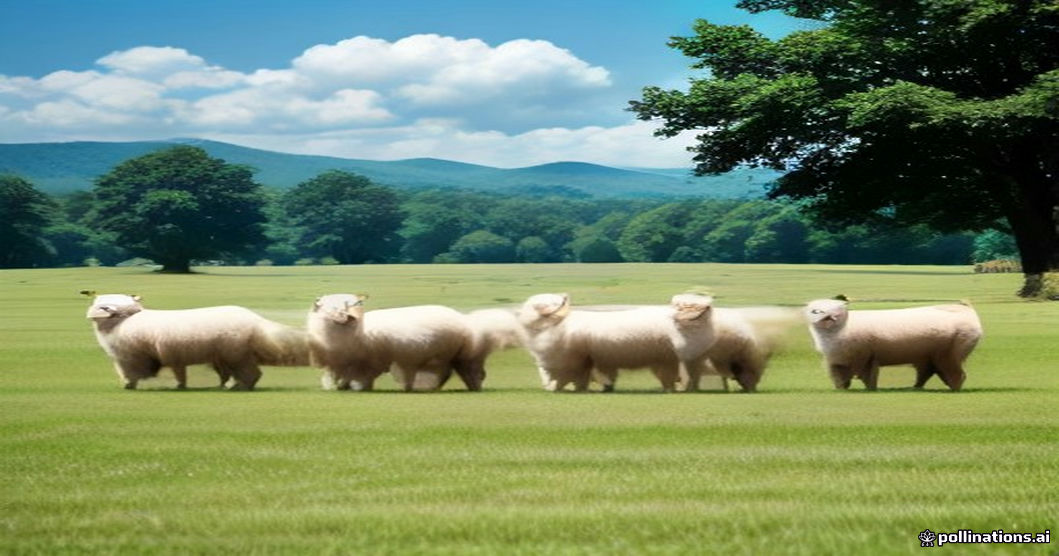
Understanding Alpaca Lifespan: How to Ensure a Long and Healthy Life in Captivity
Introduction to Alpaca Longevity Alpacas are known for their gentle demeanor, luxurious fleece, and inquisitive nature. For those considering raising these charming camelids, understanding their long-term commitment is essential. In captivity, alpacas typically live for about 20 years, making them a long-term companion and a significant responsibility for any hobby farmer or livestock owner. Factors […]