The Singing Giant of Madagascar: An In-Depth Look at the Short-Tailed Indri (Indri indri)
Deep within the mist-shrouded montane rainforests of northeastern Madagascar resides one of the most enigmatic and physically remarkable primates on Earth: the Indri (Indri indri), often referred to locally as the Babakoto. Standing as the largest extant species of lemur, the Indri occupies a distinctive ecological niche. Unlike its smaller, long-tailed relatives, the Indri possesses […]
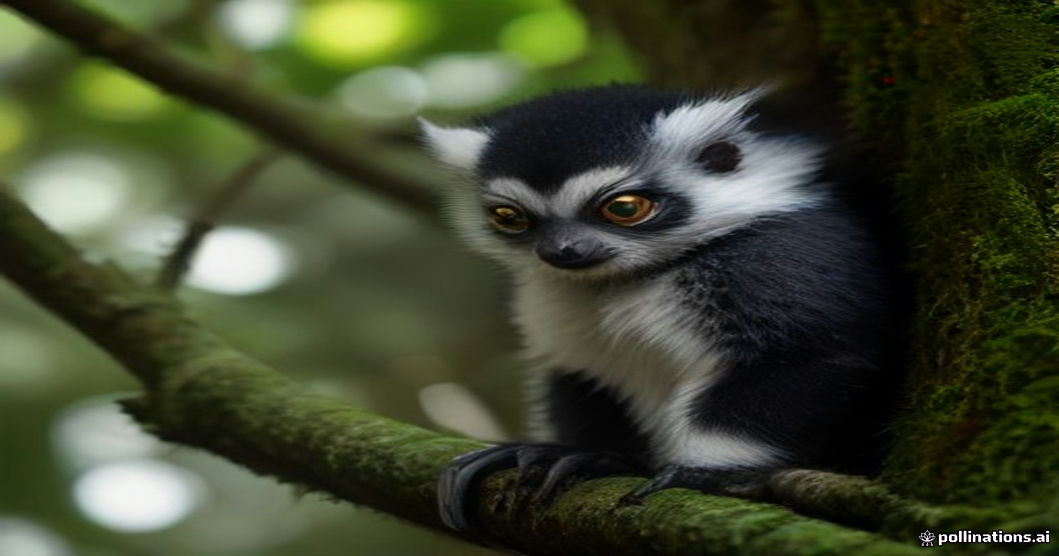
Deep within the mist-shrouded montane rainforests of northeastern Madagascar resides one of the most enigmatic and physically remarkable primates on Earth: the Indri (Indri indri), often referred to locally as the Babakoto. Standing as the largest extant species of lemur, the Indri occupies a distinctive ecological niche. Unlike its smaller, long-tailed relatives, the Indri possesses anatomical adaptations and complex behavioral traits that captivate veterinarians, primatologists, and wildlife enthusiasts alike.
Morphological Profile: Anatomical Wonders of the Canopy
From an anatomical perspective, the Indri displays extreme specialization suited for life high in the canopy. Adults typically reach a head-to-body length between 65 and 90 centimeters, accompanied by a body mass ranging from 6.5 to 9.5 kilograms. The most striking anatomical divergence from other lemuriforms is its vestigial tail, measuring a mere 4 to 5 centimeters. While most arboreal primates utilize elongated tails for counterbalancing dynamic maneuvers, the Indri relies purely on core musculature and limb coordination.
Its musculoskeletal framework features exceptionally elongated, muscular hind limbs paired with large, opposable halluces (great toes) that provide a vise-like grip on trunks and branches. The pelage is dense, woolly, and strikingly patterned in high-contrast patches of black, white, and slate gray, providing disruptive camouflage against dappled canopy sunlight. Crowning its head are prominent, rounded, furred pinnae that frame an alert, nearly hairless dark muzzle and piercing golden-brown eyes.
Locomotion and Biomechanics: Masters of Vertical Clinging and Leaping
Indris are specialized vertical clingers and leapers. Their muscular pelvis and extended femur-tibia ratios act as biological springs, enabling them to launch horizontally and vertically across canopy gaps exceeding ten meters in a single bound. In the treetops, their movements appear effortless and fluid as they absorb landing forces cleanly through their powerful hindquarters.
Terrestrial transit is exceedingly rare, as their morphology is heavily biased toward arboreal living. However, when crossing open forest floor or moving between fragmented stands, the Indri demonstrates a specialized bipedal locomotion. Unable to walk in an alternating quadrupedal gate comfortably, they propel themselves forward in rhythmic sideways leaps, holding their short forelimbs aloft for balance in an endearing and unique display of biomechanical adaptation.
The Haunting Choruses: Acoustic Territory and Social Bonding
Perhaps the most famous characteristic of Indri indri is its vocal repertoire. Living in monogamous family units consisting of a breeding pair and their immature offspring, Indris reinforce territory and social bonds through synchronized duets. These vocalizations, composed of rising wails, honks, and melodic roars, resonate through the dense canopy and can be heard by human ears up to three kilometers away.
These acoustic displays serve dual purposes: maintaining spatial distribution between neighboring rival groups without resorting to energetically costly or risky physical confrontations, and strengthening the pair bond between mates. Each individual contributes distinct tones and timing, making every group’s song identifiable across the valley.
Dietary Ecology and Conservation Imperative
As strict herbivores with a folivorous focus, Indris feed primarily on young leaves, supplemented seasonally with fruits, seeds, and flowers. Their specialized digestive tract houses a complex microbiome adapted to break down fibrous foliage and neutralize mild plant secondary compounds. Because of this intricate dietary requirement and high stress susceptibility, the Indri has never successfully survived in captive breeding programs or zoological parks; their survival is inextricably linked to their native forests.
Currently classified as Critically Endangered by the IUCN, the Indri faces severe threats from habitat fragmentation, illegal logging, and agricultural slash-and-burn practices. Protecting their pristine primary forest habitats remains the sole viable pathway to ensure that the haunting, prehistoric chorus of the world’s largest lemur continues to echo through the canopies of Madagascar.
Written by Mohammed Murtaja
Editor-in-Chief & Executive Publisher of ZooPulse. Senior investigative journalist directing evidence-based research, veterinary science verification, and editorial governance.
Related Stories
 Uncategorized
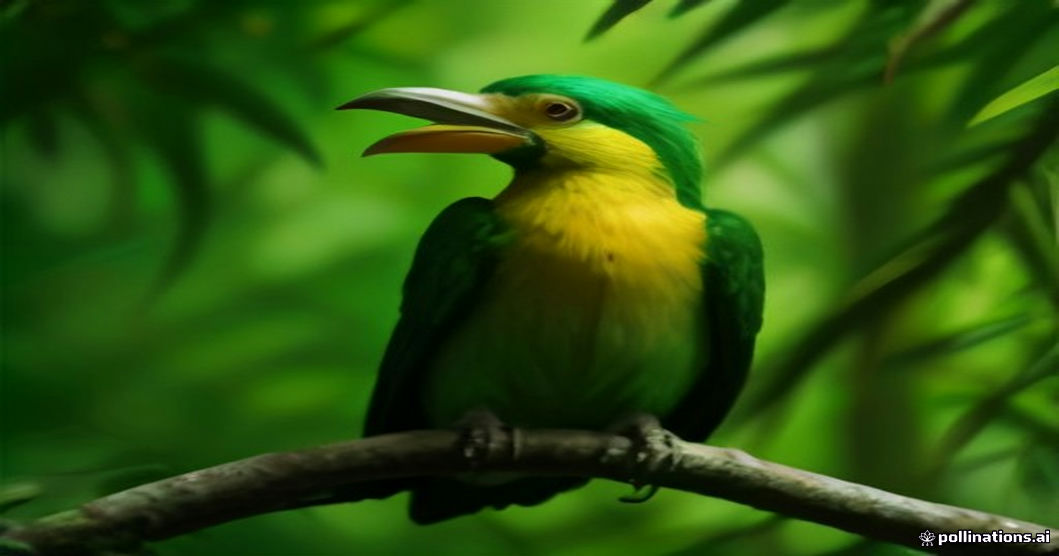
Discover the Spotted-Billed Toucanet: Jewel of the Atlantic Forest
Introduction to the Spotted-Billed Toucanet The Spotted-Billed Toucanet (Selenidera maculirostris) is a breathtaking avian species belonging to the iconic toucan family, Ramphastidae. Known for their vibrant plumage and fascinating behaviors, these birds are true jewels of the rainforest canopy. Habitat and Geographic Distribution Native to the lush Atlantic forests of southeastern Brazil, extending down into […]
 Uncategorized
The Early Bird Gets the Worm: Understanding Duck Foraging Behavior and Nutrition
When you spot a duck diligently dabbling and searching for its morning meal, you are witnessing millions of years of evolutionary adaptation in action. As a veterinarian and pet care expert, I often remind bird owners and enthusiasts that a duck’s morning foraging routine is much more than just a cute backyard spectacle—it is a […]
 Uncategorized
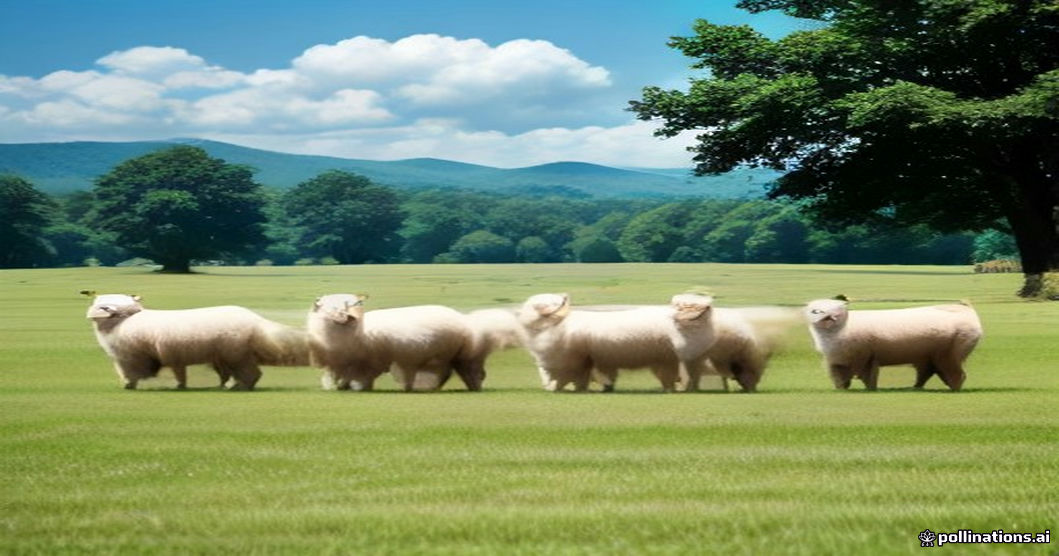
Understanding Alpaca Lifespan: How to Ensure a Long and Healthy Life in Captivity
Introduction to Alpaca Longevity Alpacas are known for their gentle demeanor, luxurious fleece, and inquisitive nature. For those considering raising these charming camelids, understanding their long-term commitment is essential. In captivity, alpacas typically live for about 20 years, making them a long-term companion and a significant responsibility for any hobby farmer or livestock owner. Factors […]