The Enigmatic Rhinopias: A Masterclass in Marine Camouflage and Defense
Introduction to the Rhinopias Genus Among the most coveted sightings for marine biologists and advanced aquarists alike is the Rhinopias, a genus of spectacularly colored scorpionfish. These elusive creatures are the crown jewels of the Scorpaenidae family, known for their bizarre silhouettes and ethereal beauty. Primarily inhabiting the warm waters of the Indian Ocean and […]
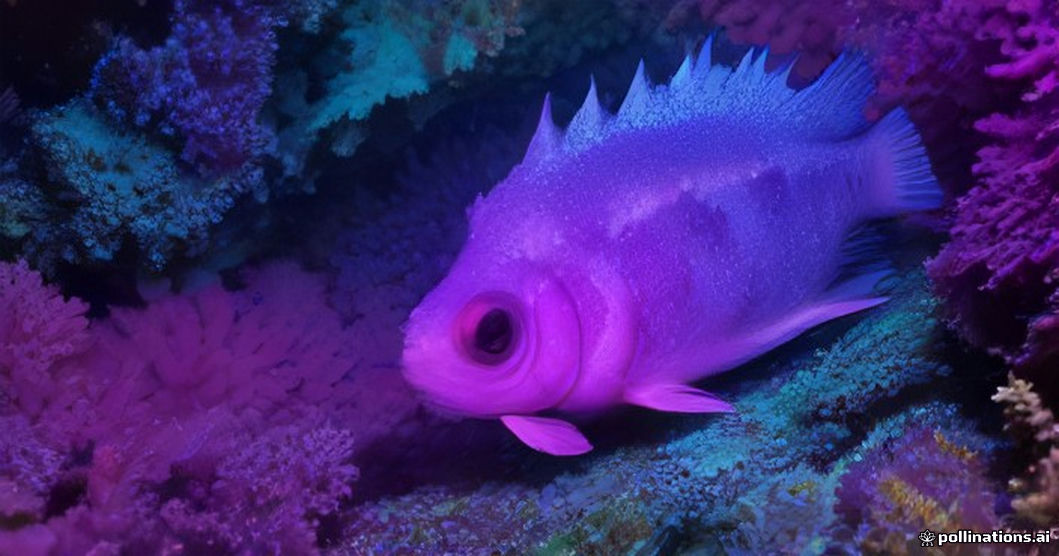
Introduction to the Rhinopias Genus
Among the most coveted sightings for marine biologists and advanced aquarists alike is the Rhinopias, a genus of spectacularly colored scorpionfish. These elusive creatures are the crown jewels of the Scorpaenidae family, known for their bizarre silhouettes and ethereal beauty. Primarily inhabiting the warm waters of the Indian Ocean and the western Pacific, their range extends from the coastlines of East Africa to the temperate reefs of Japan and the tropical waters of Australia.
Habitat and Depth Distribution
Rhinopias thrive in complex marine environments, typically found at depths ranging from shallow lagoons to approximately 30 meters. They are most frequently observed nestled within coral reefs, rocky outcrops, or debris-heavy slopes. Their presence is a testament to the health of the reef ecosystem, as they require specific substrates to maintain their elaborate camouflage.
Morphology and the Art of Deception
Reaching an average length of 15 to 25 centimeters, the physical structure of the Rhinopias is a marvel of evolutionary adaptation. Their bodies are adorned with various cutaneous appendages—skin flaps and weed-like tassels—that break up their outline against the reef. While their colors range from fiery reds and oranges to deep purples and yellows, these hues are not merely for show; they allow the fish to mimic surrounding sponges, algae, and corals with startling accuracy.
The Dual Role of Venomous Spines
A defining characteristic of these fish is the array of long, venomous spines located on their dorsal and pectoral fins. From a veterinary and health perspective, these spines serve as a potent primary defense mechanism against larger predators. For the fish, these spines are an essential survival tool; however, for humans and other marine life, a sting can result in severe pain and localized tissue reactions due to the protein-based toxins injected upon contact.
Predatory Behavior and Diet
Despite their sedentary appearance, Rhinopias are highly efficient ambush predators. They possess a remarkable ability to remain motionless for hours, waiting for unsuspecting prey to wander within striking distance. Their diet consists primarily of small teleost fish and various crustaceans. Using a method known as suction feeding, they rapidly expand their buccal cavity to create a vacuum, swallowing their prey whole in a fraction of a second.
Ecological Importance and Conservation
As specialized predators, Rhinopias play a crucial role in maintaining the balance of fish populations within their micro-habitats. Due to their sedentary nature and specific habitat requirements, they are particularly vulnerable to environmental changes and over-collection for the exotic aquarium trade. Protecting the coral reefs they inhabit is vital to ensuring that these vibrant masterpieces of nature continue to thrive in the wild.
Written by Mohammed Murtaja
Editor-in-Chief & Executive Publisher of ZooPulse. Senior investigative journalist directing evidence-based research, veterinary science verification, and editorial governance.
Related Stories
 Uncategorized
Unveiling the Wonders of the Amazon: The Caiman Lizard and Smooth-Fronted Caiman
Introduction to the Caiman Lizard The Caiman Lizard (Dracaena guianensis) is a magnificent, large semi-aquatic reptile native to the lush riverine forests of South America. Known for its striking appearance, it features powerful paired scales along its neck, tail, and back that grant it a distant, prehistoric resemblance to a true crocodile. Typically reaching lengths […]
 Uncategorized
Unveiling the Fascinating American Woodcock: A Master of Camouflage and Avian Anatomy
Introduction to the American Woodcock The American Woodcock (Scolopax minor) is a truly remarkable avian resident of the eastern United States. Spending the majority of its life on the ground, this secretive bird is heavily reliant on its exceptional plumage, which serves as a masterclass in natural camouflage among shrubs and dense undergrowth. Anatomy and […]
 Uncategorized
High-Altitude Pet Safety: Navigating the Extreme Elevations of the Gokyo Lakes Region
The Physiological Challenge of High-Altitude Environments The Gokyo Lakes, situated at a staggering 5,483 meters above sea level at the foot of Gokyo Peak in the Mount Everest region, represent one of the most breathtaking yet physiologically demanding environments on Earth. For pet owners and working dog handlers, these extreme altitudes present unique challenges that […]