The Gharial: Biology, Health, and Conservation Medicine of an Ancient River Specialist
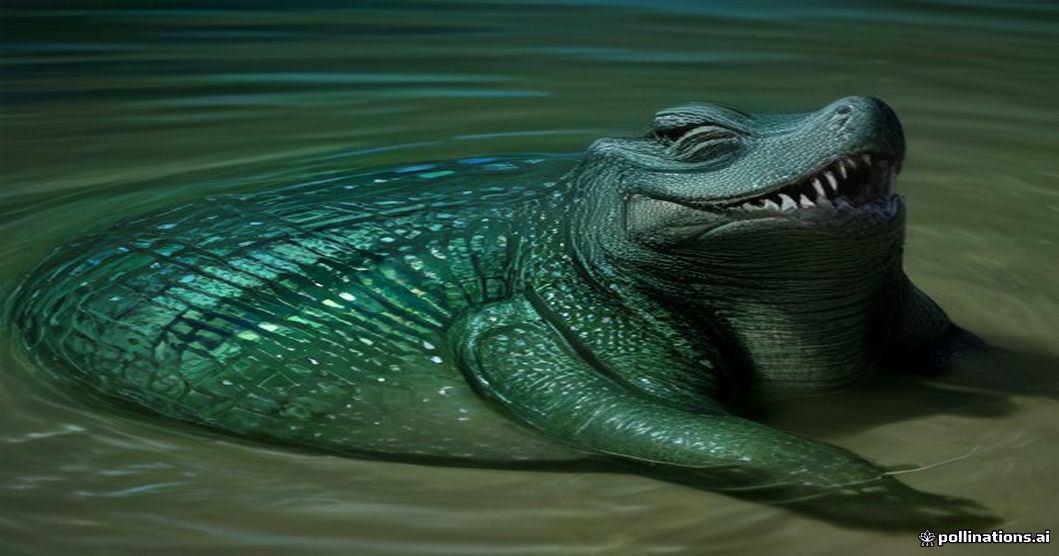
Introduction to an Ancient Crocodilian The gharial (Gavialis gangeticus), also known as the fish-eating crocodile, represents one of the most anatomically distinct and critically endangered crocodilians on Earth. Diverging from other modern crocodilians millions of years ago, this ancient river dweller has evolved highly specialized physiological adaptations designed almost exclusively for an aquatic lifestyle. As […]
Introduction to an Ancient Crocodilian
The gharial (Gavialis gangeticus), also known as the fish-eating crocodile, represents one of the most anatomically distinct and critically endangered crocodilians on Earth. Diverging from other modern crocodilians millions of years ago, this ancient river dweller has evolved highly specialized physiological adaptations designed almost exclusively for an aquatic lifestyle. As wildlife veterinarians and herpetologists, understanding the physiological architecture, health vulnerabilities, and captive management protocols of the gharial is essential for safeguarding the future of this unique species.
Anatomical Marvels: The Snout and the Ghara
Unlike alligators and true crocodiles with broad, heavy snouts designed for crushing large terrestrial prey, the gharial possesses a remarkably elongated, narrow rostrum lined with over a hundred interlocking, needle-like teeth. This streamlined architecture drastically reduces water resistance during rapid side-to-side hunting strikes underwater. At the tip of an adult male’s snout sits the ‘ghara,’ a cartilaginous bulbous growth named after the traditional Indian earthen pot. This structure serves not only as a visual signal of sexual maturity but also acts as an acoustic resonator, producing deep vocalizations and bubbling sounds crucial during mating displays and territorial defense.
Physiological Adaptations and Aquatic Locomotion
From an orthopedic and locomotor perspective, the gharial exhibits specialized adaptations that set it apart from other members of the order Crocodilia. While most crocodilians are capable of a terrestrial ‘high walk’ where the body is lifted well off the ground, the gharial’s limb musculature is significantly reduced relative to its substantial body mass, which can exceed several hundred kilograms in adult males. On land, gharials must push themselves forward across river sandbars in a belly-sliding motion. Conversely, their deeply webbed hind feet and powerful, laterally compressed tails make them exceptionally agile and hydrodynamic swimmers within deep, fast-flowing river currents.
Nutritional Needs and Digestive Physiology
The gharial is an obligate piscivore. Its needle-sharp teeth are not designed to tear or crush bone, but rather to impale and firmly hold slippery freshwater fish, which are swallowed whole headfirst. In wild habitats such as the Chambal and Girwa rivers of India and Nepal, their diet consists primarily of native riverine fish species. In zoological and conservation breeding institutions, veterinary nutritionists must carefully replicate this diet. Managing vitamin supplementation—particularly thiamine (Vitamin B1) and Vitamin E—is critical when feeding frozen-thawed fish to prevent metabolic neuropathies and steatitis, conditions frequently observed in captive piscivorous reptiles.
Veterinary Care and Common Clinical Concerns
Herpetological veterinary medicine encounters unique challenges when treating gharials in human care and during field interventions. Due to their prolonged growth rates and reliance on specific environmental temperatures, metabolic bone disease (MBD) can develop rapidly in juveniles lacking adequate ultraviolet-B (UVB) exposure or balanced calcium-to-phosphorus ratios. Respiratory infections, fungal dermatopathies, and traumatic injuries to the delicate, elongated snout—often caused by collisions with enclosure walls or capture nets—require rapid clinical intervention. Stress-induced capture myopathy and severe lactic acidosis are significant risks during handling, necessitating specialized, low-stress restraint protocols and precise sedation monitoring.
Conservation Medicine: Protecting a Critically Endangered Icon
Today, wild gharial populations face critical threats from sand mining, agricultural runoff, dam construction, and entanglement in monofilament fishing gillnets. Conservation medicine plays a vital role in reversing their decline. Multidisciplinary initiatives combining telemetry tracking, captive breeding, head-starting programs, and riverine ecosystem rehabilitation have shown promising results. By integrating clinical veterinary expertise with landscape-level habitat protection, conservationists and veterinarians strive to ensure that the prehistoric gharial continues to patrol the river systems of the Indian subcontinent for generations to come.
Written by Mohammed Murtaja
Editor-in-Chief & Executive Publisher of ZooPulse. Senior investigative journalist directing evidence-based research, veterinary science verification, and editorial governance.
Related Stories
 Wildlife
When Wildlife Meets Urban Decor: The Curious Case of the Raccoon and the Fire Hydrant
A Hilarious Urban Encounter As a veterinarian and pet care expert, I often get asked about bizarre animal behaviors. However, nothing quite compares to the viral phenomenon of a wild raccoon attempting to intimidate a completely inanimate fire hydrant. In this amusing viral video, we see a nocturnal urban dweller puffing up its fur, hissing, […]
 Wildlife
Unveiling the Secrets of the Oedipus Tamarin: A Marvel of the Colombian Rainforest
Introduction to the Oedipus Tamarin As a veterinarian and passionate wildlife advocate, I am always fascinated by the incredible diversity of our planet’s primate species. Among the most charismatic and unique is the Oedipus Tamarin (Saguinus oedipus), also widely known as the cotton-top marmoset or ‘pince’. Native exclusively to the tropical rainforests and dry forests […]
 Wildlife
Unearthing the Secrets of the Mexican Mole Lizard (Bipes biporus)
Introduction to a Subterranean Marvel The Mexican mole lizard (Bipes biporus) is one of the most fascinating and unusual reptiles on the planet. Endemic exclusively to the Baja California Peninsula in Mexico, this remarkable creature blurs the evolutionary lines between lizards and snakes, showcasing a specialized anatomy designed entirely for a subterranean lifestyle. Physical Characteristics […]