Unveiling the Secrets of the Oedipus Tamarin: A Marvel of the Colombian Rainforest
Introduction to the Oedipus Tamarin As a veterinarian and passionate wildlife advocate, I am always fascinated by the incredible diversity of our planet’s primate species. Among the most charismatic and unique is the Oedipus Tamarin (Saguinus oedipus), also widely known as the cotton-top marmoset or ‘pince’. Native exclusively to the tropical rainforests and dry forests […]
Introduction to the Oedipus Tamarin
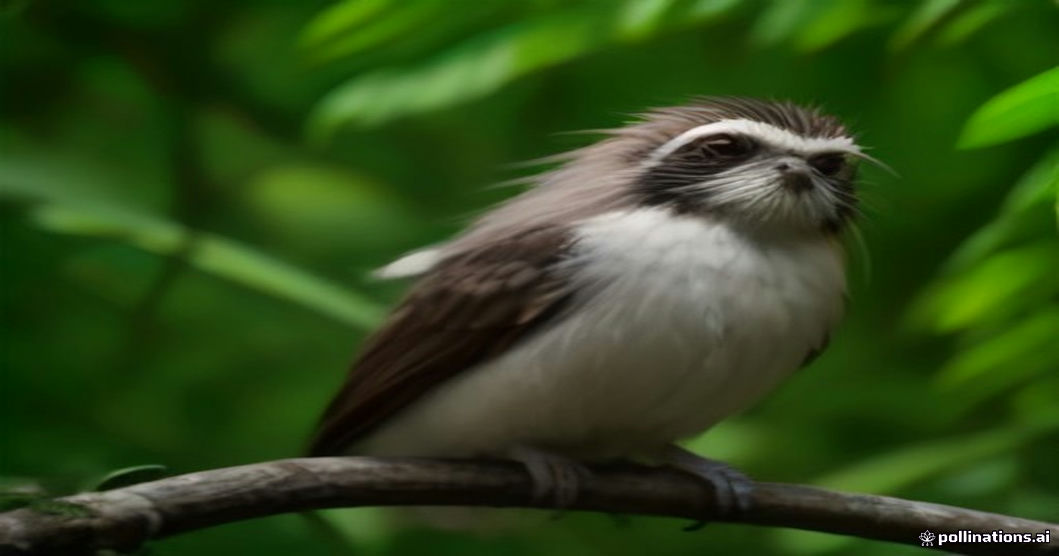
As a veterinarian and passionate wildlife advocate, I am always fascinated by the incredible diversity of our planet’s primate species. Among the most charismatic and unique is the Oedipus Tamarin (Saguinus oedipus), also widely known as the cotton-top marmoset or ‘pince’. Native exclusively to the tropical rainforests and dry forests of northwestern Colombia near the Caribbean coast, these tiny primates capture the hearts of all who study them.
Physical Characteristics and Unique Features
Despite their diminutive size, Oedipus tamarins possess striking physical traits that set them apart. Measuring a modest 21 to 26 centimeters in body length with a long, elegant tail spanning 33 to 40 centimeters, adults typically weigh between 300 and 450 grams. Their most defining feature is the mane of long, flowing white hair extending from the head down to the shoulders—a regal crest that contrasts sharply with their reddish-brown bodies and long reddish tails tipped in black. Additionally, unlike many other primates, they feature claws instead of flat nails on all digits except their big toes, an anatomical adaptation vital for gripping tree bark.
Arboreal Lifestyle and Specialized Diet
Living a strictly diurnal and arboreal lifestyle, these energetic tamarins spend their days navigating the dense canopies of their forest homes. Whether expertly leaping between branches or gracefully crawling along tree trunks, they are built for life in the high trees. Their nutritional needs reflect their environment, consisting primarily of a diverse diet of insects, ripe fruits, tree sap, and the occasional small vertebrate. This omnivorous diet makes them essential seed dispersers within their fragile forest ecosystem.
Fascinating Social Structure and Cooperative Breeding
One of the most remarkable aspects of Oedipus tamarin biology is their complex social life. They live in tight-knit family groups where cooperative breeding is the norm. In a rare and heartwarming display within the animal kingdom, male tamarins actively take on the primary responsibility of carrying and caring for the infants, sharing the immense parental load with the mothers. This high level of social cooperation ensures the survival of their young in the wild.
Written by Mohammed Murtaja
Editor-in-Chief & Executive Publisher of ZooPulse. Senior investigative journalist directing evidence-based research, veterinary science verification, and editorial governance.
Related Stories
 Uncategorized
Understanding the Intolerant Turtle: A Comprehensive Guide to Dietary and Environmental Sensitivities
Introduction to Turtle Sensitivity While turtles are often perceived as hardy and resilient creatures, they possess complex physiological systems that can be highly sensitive to their surroundings and diet. When a veterinarian refers to an ‘intolerant’ turtle, they are typically describing a specimen reacting negatively to specific environmental stressors, dietary imbalances, or social pressures. Understanding […]
 Uncategorized
Sacred Strolls and Animal Wellness: Veterinary Insights from Nara, Japan
When we think of Nara, Japan, the iconic image that immediately comes to mind is the free-roaming sika deer wandering gracefully through Nara Park. As veterinarians and animal health advocates, however, our perspective goes beyond the scenic tourism and delves deep into the fascinating intersection of human culture, wildlife management, and domestic pet care in […]
 Uncategorized
Unearthing the Secrets of the Mexican Mole Lizard (Bipes biporus)
Introduction to a Subterranean Marvel The Mexican mole lizard (Bipes biporus) is one of the most fascinating and unusual reptiles on the planet. Endemic exclusively to the Baja California Peninsula in Mexico, this remarkable creature blurs the evolutionary lines between lizards and snakes, showcasing a specialized anatomy designed entirely for a subterranean lifestyle. Physical Characteristics […]