High-Altitude Health: Protecting Your Pets on the Slopes of Ausangate and Beyond
The Majesty and Challenge of Ausangate Rising majestically to over 6,300 meters, Ausangate stands as the highest peak in the Cusco region of the Peruvian Andes. For the Incas, this mountain was more than just a geological feature; it was a sacred Apu, a deity that protected the land and its inhabitants. However, for modern […]
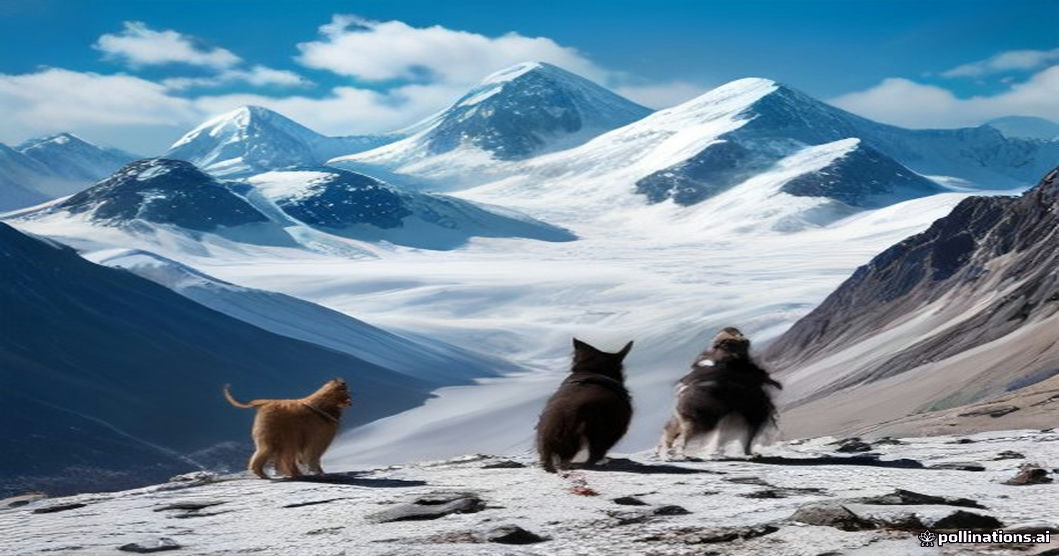
The Majesty and Challenge of Ausangate
Rising majestically to over 6,300 meters, Ausangate stands as the highest peak in the Cusco region of the Peruvian Andes. For the Incas, this mountain was more than just a geological feature; it was a sacred Apu, a deity that protected the land and its inhabitants. However, for modern travelers and their animal companions, the extreme elevation and rugged terrain of the Ausangate circuit present unique physiological challenges that require professional veterinary insight.
Understanding Altitude Sickness in Dogs
Just like humans, pets can suffer from Acute Mountain Sickness (AMS) when ascending to the heights of the Cusco region. As oxygen levels drop, the body must work harder to circulate oxygenated blood. Dogs may exhibit signs of lethargy, panting, loss of appetite, or even more severe symptoms like pulmonary edema. It is crucial to allow for a gradual acclimatization period in Cusco before attempting to trek near Ausangate, ensuring your pet’s cardiovascular system can adapt to the thin Andean air.
The Physical Demands of Andean Trekking
The terrain surrounding Ausangate is unforgiving. Cold temperatures, sharp volcanic rocks, and high UV radiation can take a toll on a dog’s paws and skin. As a veterinarian, I recommend high-quality paw balms or protective booties to prevent lacerations. Furthermore, the intense sun at 4,000+ meters increases the risk of sunburn on the nose and ears, particularly for pets with light-colored fur. Utilizing pet-safe sunblock is a vital step in your preparation.
Hydration and Nutrition at High Elevations
Maintaining hydration is significantly more difficult at high altitudes due to the dry air and increased respiratory rate. When trekking through the sacred valleys of the Incas, ensure your pet has constant access to clean water. Additionally, the caloric demands of hiking at 6,300 meters are immense. Transitioning to a more nutrient-dense, high-protein diet a few weeks before the journey can provide the energy reserves necessary to conquer the steep passes of the Andes.
Conclusion: Honoring the Spirit of the Mountain
Exploring the sacred trails of Ausangate with your pet is a once-in-a-lifetime experience that fosters a deep bond. By prioritizing their health and safety through proper acclimatization, gear, and veterinary care, you honor the spirit of the mountain while ensuring your loyal companion remains healthy and happy in one of the most beautiful places on Earth.
Written by Mohammed Murtaja
Editor-in-Chief & Executive Publisher of ZooPulse. Senior investigative journalist directing evidence-based research, veterinary science verification, and editorial governance.
Related Stories
 Uncategorized
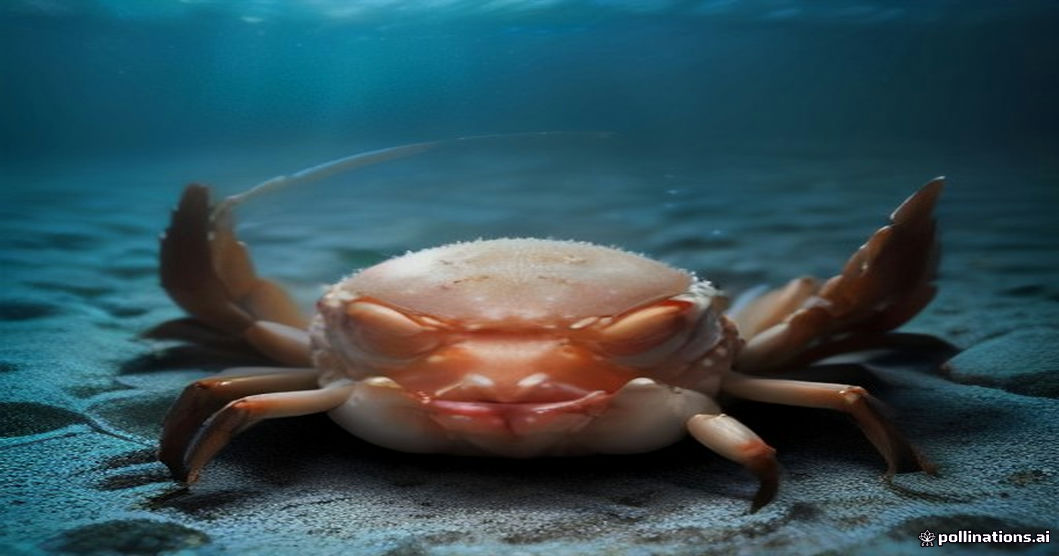
The Hidden Marvels of the Deep: Understanding the Paralomis Crab
A Unique Crustacean Encounter In the vast, mysterious depths of our oceans, there exists a creature that often escapes the casual observer’s gaze: the Paralomis genus. While they may resemble the common crabs found along the shoreline, these fascinating animals belong to a group known as king crabs, which are surprisingly more closely related to […]
 Uncategorized
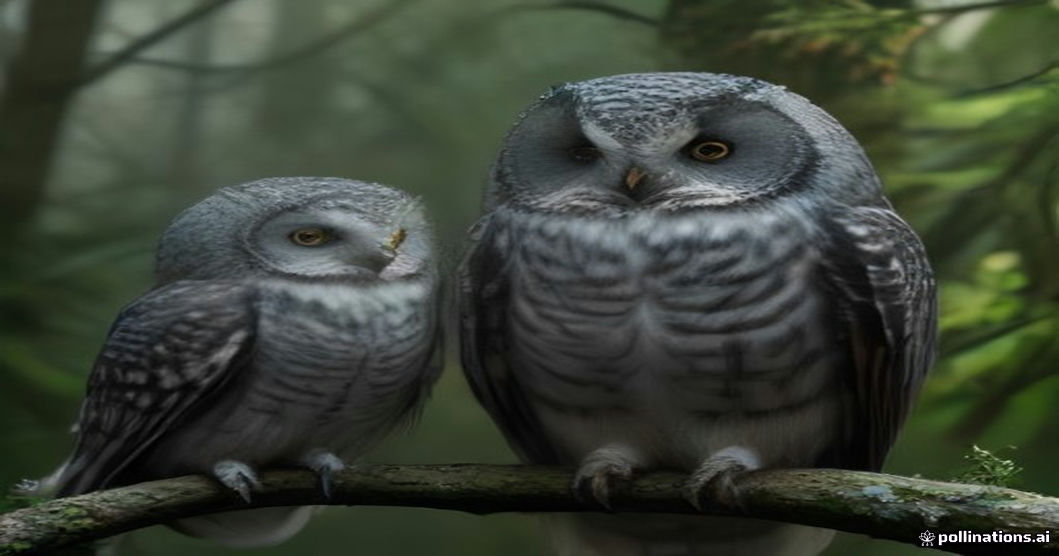
Nature’s Silent Sentinels: The Intricate Family Life of the Great Grey Owl
The Majestic Phantom of the Boreal Forest As a veterinarian with a focus on avian physiology and wildlife health, I have always been captivated by the Great Grey Owl (Strix nebulosa). Known as the ‘Phantom of the North,’ this species is not only the world’s largest owl by length but also exhibits some of the […]
 Uncategorized
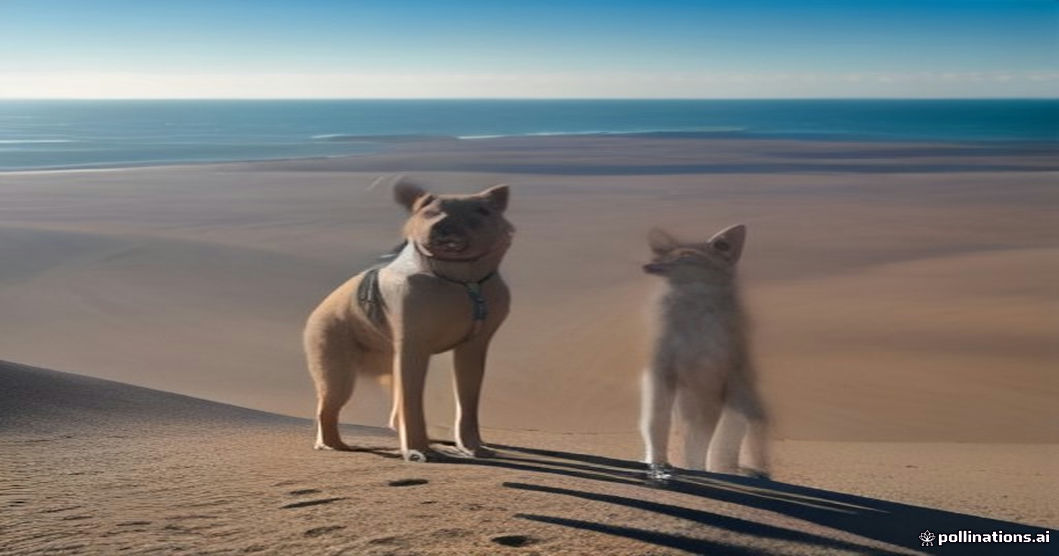
Desert Sands and Salty Breezes: A Veterinarian’s Guide to Road Tripping Namibia with Your Pet
The Allure of the Namibian Coast Imagine a landscape where the towering, apricot-colored dunes of the Namib Desert crash directly into the cold, turquoise waves of the Atlantic Ocean. This is the reality of a road trip along Namibia’s coastline. For the adventurous pet owner, this journey offers unparalleled beauty, but as a veterinarian, I […]