Understanding the Intolerant Turtle: A Comprehensive Guide to Dietary and Environmental Sensitivities
Introduction to Turtle Sensitivity While turtles are often perceived as hardy and resilient creatures, they possess complex physiological systems that can be highly sensitive to their surroundings and diet. When a veterinarian refers to an ‘intolerant’ turtle, they are typically describing a specimen reacting negatively to specific environmental stressors, dietary imbalances, or social pressures. Understanding […]
Introduction to Turtle Sensitivity
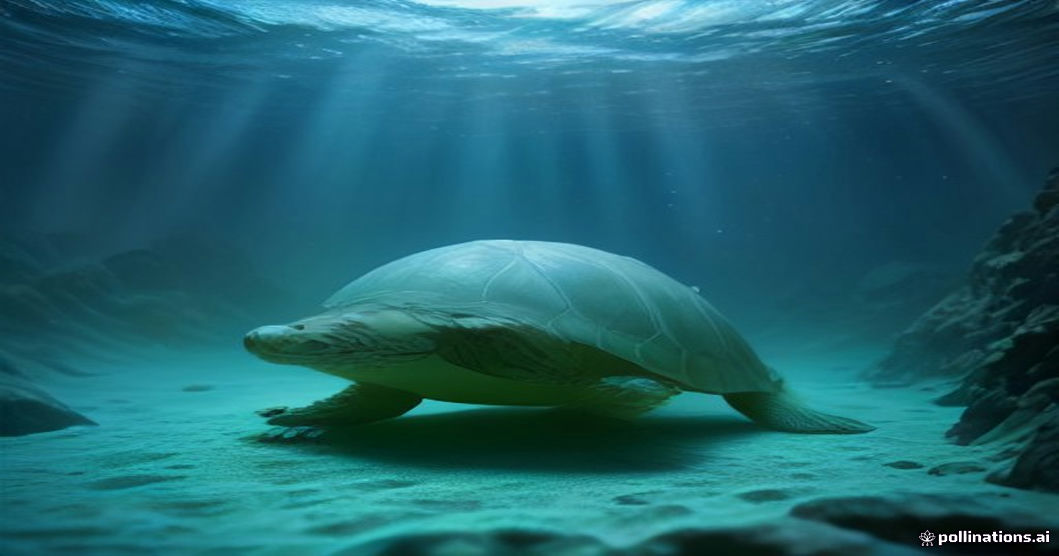
While turtles are often perceived as hardy and resilient creatures, they possess complex physiological systems that can be highly sensitive to their surroundings and diet. When a veterinarian refers to an ‘intolerant’ turtle, they are typically describing a specimen reacting negatively to specific environmental stressors, dietary imbalances, or social pressures. Understanding these facets is crucial for any chelonian keeper aiming to provide a high standard of care and prevent chronic illness.
Dietary Intolerances and Nutritional Malabsorption
Turtles do not possess the enzymes necessary to break down many complex human foods, most notably dairy products. Feeding cheese or yogurt to a turtle can lead to severe gastrointestinal distress. Furthermore, many aquatic turtles develop sensitivities to low-quality commercial pellets that contain excessive fillers, artificial dyes, or improper protein ratios. Symptoms of dietary intolerance often manifest as lethargy, loose stools, or ‘pyramiding’—the abnormal, peaked growth of the shell scutes caused by metabolic imbalances. A diet rich in species-appropriate greens and high-quality protein is essential to avoid these issues.
Environmental Intolerance: The Impact of Water and Heat
As ectotherms, turtles rely entirely on their environment to regulate their internal body temperature. A turtle may appear ‘intolerant’ of its habitat if the thermal gradient is incorrect. If water temperatures are consistently too low, their metabolic processes slow down, leading to a suppressed immune system and digestive stasis. Conversely, an intolerance to poor water quality—characterized by high ammonia or nitrate levels—can quickly lead to ulcerative shell disease (shell rot) or acute respiratory infections. Providing a precise UV-B lighting setup and robust filtration is not optional; it is a biological requirement.
Social and Behavioral Intolerance
It is a common misconception that turtles are social animals that benefit from the company of ‘friends.’ In reality, many species, such as the common Musk turtle or the Red-eared Slider, can be highly territorial and socially intolerant. Behavioral intolerance often manifests as nipping at limbs, chasing, or food guarding. If a turtle is showing signs of aggression, it is a clear physiological signal that the animal is stressed by the presence of tank mates and requires a solitary environment to thrive without the risk of physical injury or chronic stress-related immunosuppression.
Conclusion: Creating a Stress-Free Sanctuary
Managing an intolerant turtle requires a keen eye for detail and a commitment to husbandry excellence. By optimizing the diet with species-specific nutrition, maintaining pristine water chemistry, and respecting their solitary nature, you can ensure your turtle lives a long, healthy life. If you notice persistent signs of discomfort, skin sloughing, or a lack of appetite, always consult with a specialized exotics veterinarian to rule out underlying health conditions.
Written by Mohammed Murtaja
Editor-in-Chief & Executive Publisher of ZooPulse. Senior investigative journalist directing evidence-based research, veterinary science verification, and editorial governance.
Related Stories
 Uncategorized
Unveiling the Secrets of the Oedipus Tamarin: A Marvel of the Colombian Rainforest
Introduction to the Oedipus Tamarin As a veterinarian and passionate wildlife advocate, I am always fascinated by the incredible diversity of our planet’s primate species. Among the most charismatic and unique is the Oedipus Tamarin (Saguinus oedipus), also widely known as the cotton-top marmoset or ‘pince’. Native exclusively to the tropical rainforests and dry forests […]
 Uncategorized
Sacred Strolls and Animal Wellness: Veterinary Insights from Nara, Japan
When we think of Nara, Japan, the iconic image that immediately comes to mind is the free-roaming sika deer wandering gracefully through Nara Park. As veterinarians and animal health advocates, however, our perspective goes beyond the scenic tourism and delves deep into the fascinating intersection of human culture, wildlife management, and domestic pet care in […]
 Uncategorized
Unearthing the Secrets of the Mexican Mole Lizard (Bipes biporus)
Introduction to a Subterranean Marvel The Mexican mole lizard (Bipes biporus) is one of the most fascinating and unusual reptiles on the planet. Endemic exclusively to the Baja California Peninsula in Mexico, this remarkable creature blurs the evolutionary lines between lizards and snakes, showcasing a specialized anatomy designed entirely for a subterranean lifestyle. Physical Characteristics […]