Unpredictable: Navigating the Behavioral Quirks and Health Surprises of Our Pets
When we bring companion animals into our lives, we often crave routine. We feed them at the same hour, walk the same neighborhood paths, and settle into predictable evening cuddles. Yet, every pet parent quickly learns one fundamental truth: animals are wonderfully, frustratingly unpredictable. The Nature of Animal Instincts From sudden bouts of the ‘zoomies’ […]

When we bring companion animals into our lives, we often crave routine. We feed them at the same hour, walk the same neighborhood paths, and settle into predictable evening cuddles. Yet, every pet parent quickly learns one fundamental truth: animals are wonderfully, frustratingly unpredictable.
The Nature of Animal Instincts
From sudden bouts of the ‘zoomies’ to mysterious fixations on blank walls, pet behavior can seem entirely erratic. As veterinarians, we often field calls from concerned owners asking why their normally docile cat suddenly bolted across the house at midnight, or why a well-trained dog decided to dig a crater in the backyard. In most cases, these actions are simply the manifestation of deeply ingrained evolutionary instincts—prey drives, territorial mapping, and nocturnal energy surges that do not conform to human schedules.
When Unpredictability Signals a Health Concern
While behavioral quirks are normal, sudden shifts in predictability can be a vital red flag. Animals are notorious for masking pain and illness, meaning a subtle change in routine is often the first indicator that something is clinically wrong. A cat that suddenly stops using the litter box, or a dog that becomes uncharacteristically reactive or lethargic, is communicating through their unpredictability. These behavioral departures warrant a prompt veterinary check-up to rule out underlying issues such as arthritis, dental pain, cognitive dysfunction, or systemic illness.
Embracing and Managing the Unknown
Living with an unpredictable pet requires patience, vigilance, and adaptability. Establishing flexible routines, providing adequate mental and physical enrichment, and maintaining regular wellness exams can help bridge the gap between human expectations and animal independence. Ultimately, embracing their unpredictable nature is part of the joy of pet parenthood—reminding us that our animal companions are complex, sentient individuals with rich internal lives.
Written by Mohammed Murtaja
Editor-in-Chief & Executive Publisher of ZooPulse. Senior investigative journalist directing evidence-based research, veterinary science verification, and editorial governance.
Related Stories
 Animal News
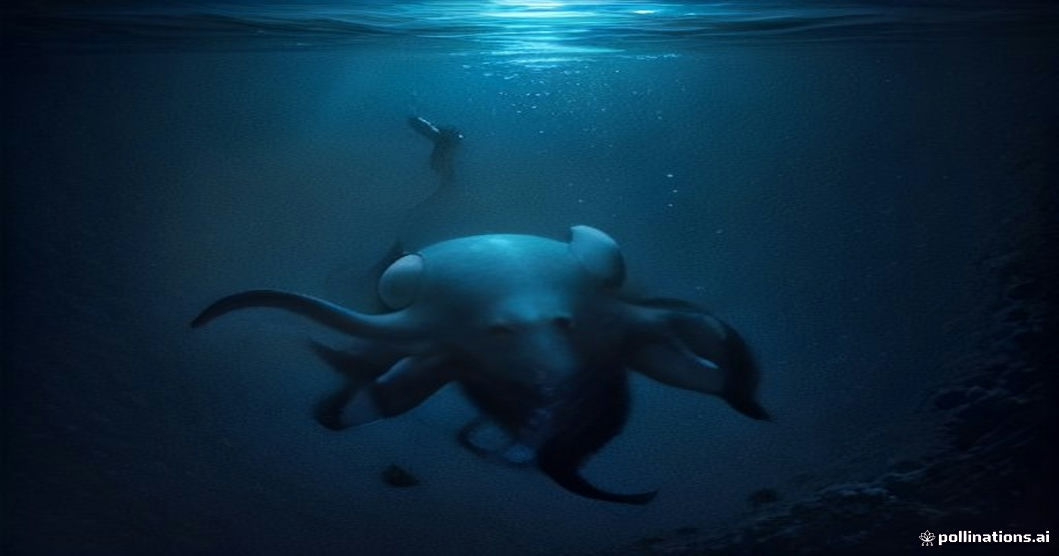
Unveiling the Mysteries of Inopinoteuthis magna: A Rare Deep-Sea Discovery
A Surprising Discovery from the Deep Ocean In the vast, uncharted realms of the deep sea, every rare discovery offers marine biologists a thrilling glimpse into a world few humans will ever witness. Recently, scientists made an extraordinary find involving Inopinoteuthis magna, an exceptionally rare species of deep-sea octopus. Prior to this breakthrough, only 18 […]
 Animal News
Understanding the Innocent World of Pets: A Veterinarian’s Guide to Animal Behavior
The Innocence of Our Animal Companions As pet care professionals and veterinarians, we often look at our dogs, cats, and other animal companions with a sense of wonder. Pet owners frequently remark on how ‘naive’ or innocent their pets seem, trusting humans implicitly with their care, safety, and daily routines. This profound trust is the […]
 Animal News
Understanding the Intolerant Turtle: A Comprehensive Guide to Dietary and Environmental Sensitivities
Introduction to Turtle Sensitivity While turtles are often perceived as hardy and resilient creatures, they possess complex physiological systems that can be highly sensitive to their surroundings and diet. When a veterinarian refers to an ‘intolerant’ turtle, they are typically describing a specimen reacting negatively to specific environmental stressors, dietary imbalances, or social pressures. Understanding […]