Unveiling the Mysteries of Inopinoteuthis magna: A Rare Deep-Sea Discovery
A Surprising Discovery from the Deep Ocean In the vast, uncharted realms of the deep sea, every rare discovery offers marine biologists a thrilling glimpse into a world few humans will ever witness. Recently, scientists made an extraordinary find involving Inopinoteuthis magna, an exceptionally rare species of deep-sea octopus. Prior to this breakthrough, only 18 […]
A Surprising Discovery from the Deep Ocean
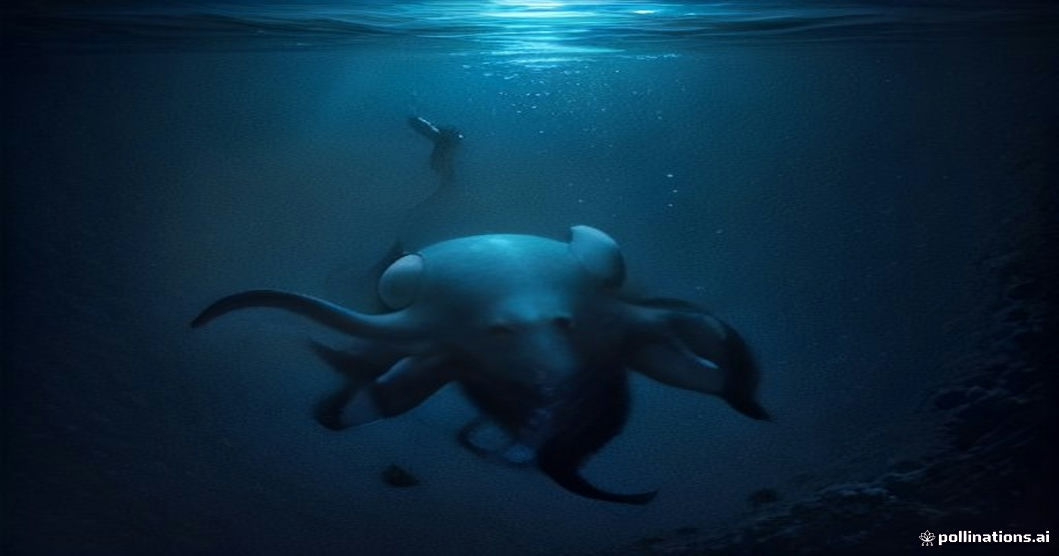
In the vast, uncharted realms of the deep sea, every rare discovery offers marine biologists a thrilling glimpse into a world few humans will ever witness. Recently, scientists made an extraordinary find involving Inopinoteuthis magna, an exceptionally rare species of deep-sea octopus. Prior to this breakthrough, only 18 specimens of this elusive creature were known to science, keeping its biology and behavior largely shrouded in mystery.
The Clue Inside a Patagonian Toothfish
How did researchers expand our knowledge of such a rare cephalopod? The key to unlocking more information came from an unexpected place: the stomach of a Patagonian toothfish. This unique biological sample allowed marine experts to not only identify new details about the species but also re-examine and catalog older, previously unidentified museum samples. As a result, the total known count of Inopinoteuthis magna specimens has risen from 18 to 26, marking a significant milestone for deep-sea research and taxonomy.
Unique Anatomy of a Cirrate Octopus
Inopinoteuthis magna is classified as a cirrate octopus, distinguishing it from most common shallow-water species. One of its most fascinating physical characteristics is the presence of small fins located on either side of its head, which help it navigate the crushing pressures and darkness of its deep-ocean habitat. Furthermore, this species features a wide web connecting its arms, creating a distinct umbrella-like appearance underwater. As marine experts continue to study these remarkable creatures, each discovery underscores the incredible biodiversity hiding in the ocean’s deepest trenches and the importance of continued marine exploration.
Written by Mohammed Murtaja
Editor-in-Chief & Executive Publisher of ZooPulse. Senior investigative journalist directing evidence-based research, veterinary science verification, and editorial governance.
Related Stories
 Animal News
Understanding the Innocent World of Pets: A Veterinarian’s Guide to Animal Behavior
The Innocence of Our Animal Companions As pet care professionals and veterinarians, we often look at our dogs, cats, and other animal companions with a sense of wonder. Pet owners frequently remark on how ‘naive’ or innocent their pets seem, trusting humans implicitly with their care, safety, and daily routines. This profound trust is the […]
 Animal News
Understanding the Intolerant Turtle: A Comprehensive Guide to Dietary and Environmental Sensitivities
Introduction to Turtle Sensitivity While turtles are often perceived as hardy and resilient creatures, they possess complex physiological systems that can be highly sensitive to their surroundings and diet. When a veterinarian refers to an ‘intolerant’ turtle, they are typically describing a specimen reacting negatively to specific environmental stressors, dietary imbalances, or social pressures. Understanding […]
 Animal News
Harmonious Heights: A Professional Guide to Reconciling and Introducing Companion Birds
Understanding Avian Social Dynamics Birds are inherently social creatures, yet their flock dynamics are governed by complex hierarchies and territorial instincts. Whether you are introducing a new bird to your home or attempting to reconcile two birds that have had a falling out, the process requires a deep understanding of avian psychology. Forced interactions often […]