Unveiling the Dancing Shrimp: Rhynchocinetes uritai in Nature and Aquaria
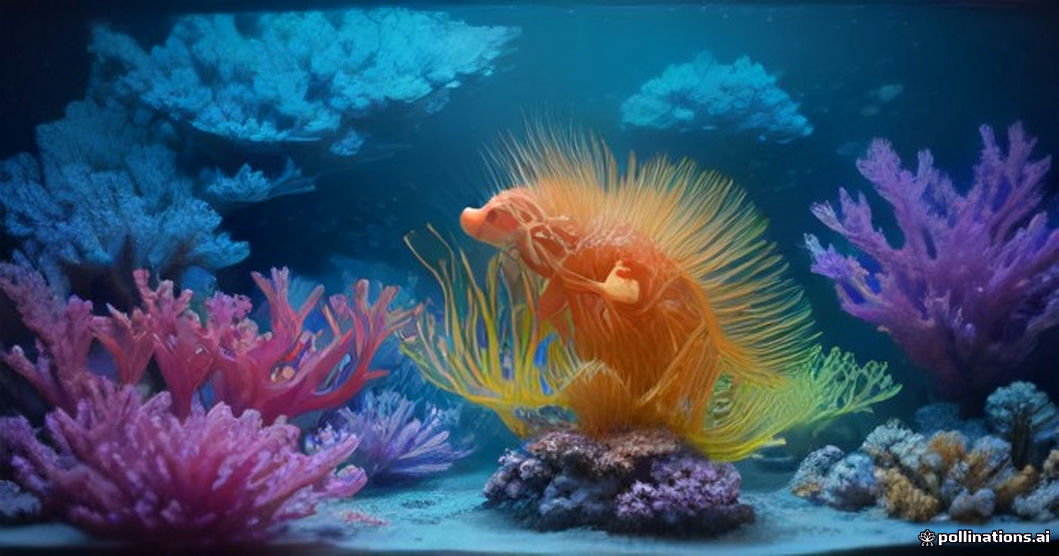
Introduction to the Dancing Shrimp Native to the vibrant waters of the Indo-Pacific region, including the coastal areas of Japan, Korea, and the northern Pacific, Rhynchocinetes uritai—commonly known as the Dancing Shrimp—is a fascinating marine crustacean. Thriving in shallow waters ranging from 1 to 5 meters deep, these social creatures are typically found congregating in […]
Introduction to the Dancing Shrimp
Native to the vibrant waters of the Indo-Pacific region, including the coastal areas of Japan, Korea, and the northern Pacific, Rhynchocinetes uritai—commonly known as the Dancing Shrimp—is a fascinating marine crustacean. Thriving in shallow waters ranging from 1 to 5 meters deep, these social creatures are typically found congregating in large, active groups among coral reefs and rocky crevices where they seek refuge from potential predators.
Behavior and Unique Characteristics
True to their common name, Dancing Shrimps exhibit sudden, rhythmic movements that closely resemble a lively dance. This unique behavioral trait not only captivates underwater observers but also serves various social and survival functions in the wild. As carnivorous scavengers, their natural diet consists of detritus, phytoplankton, and zooplankton, playing a crucial role in the local marine food web where they themselves serve as prey for larger fish species such as herring and salmon.
The Role of Dancing Shrimp in Marine Aquariums
For marine aquarium enthusiasts, Rhynchocinetes uritai offers both aesthetic appeal and practical benefits. In a captive reef environment, these active crustaceans assist significantly in maintaining water quality by cleaning organic debris and helping to aerate the substrate sand. Providing proper rockwork and hiding spots ensures these dynamic shrimp thrive and display their signature behaviors in a home aquarium setting.
Written by Mohammed Murtaja
Editor-in-Chief & Executive Publisher of ZooPulse. Senior investigative journalist directing evidence-based research, veterinary science verification, and editorial governance.
Related Stories
 Uncategorized
Unveiling the Mysterious Lynx: Why This Elusive Feline Defies Feline Fear
Introduction to the Ghost of the Woods When we think of wild felines, our minds typically conjure images of elusive predators that flee at the mere scent of a human. From stealthy leopards to cautious bobcats, most wild cats possess an innate wariness of mankind. However, the majestic lynx stands apart as one of the […]
 Uncategorized
Unveiling the Mysteries of the Spectacled Owl: A Comprehensive Avian Overview
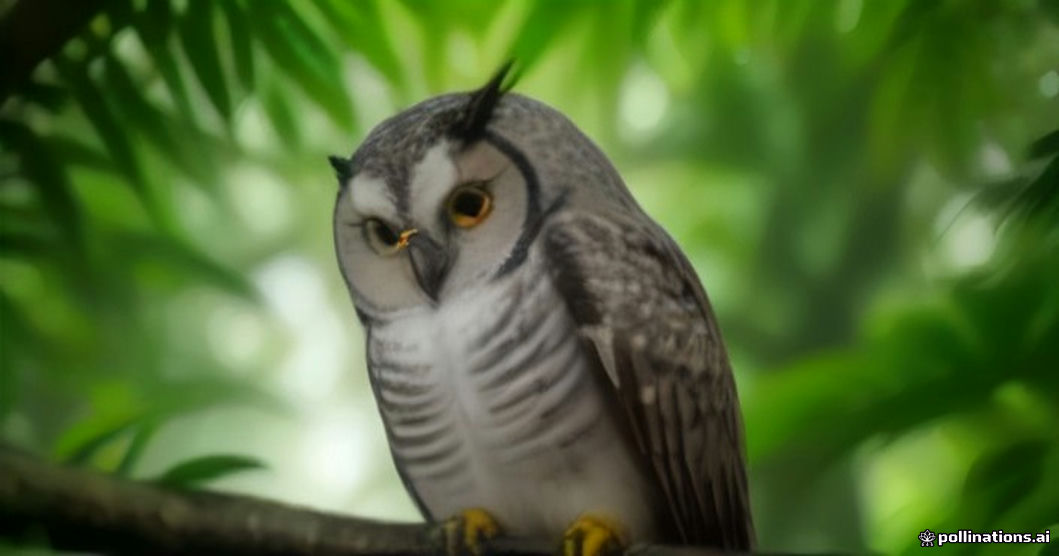
Introduction to the Spectacled Owl The Spectacled Owl (Pulsatrix perspicillata) is one of the most charismatic and visually striking raptors native to the Neotropical realms. Inhabiting regions across South America up to 1,000 meters above sea level, this magnificent bird thrives in diverse environments ranging from humid tropical forests and wooded savannahs to dry forests. […]
 Uncategorized
Pet Travel Safety: Exploring Arctic Landscapes Like the Lofoten Islands
The Call of the Wild: Traveling with Your Pet Imagine the breathtaking beauty of a colorful sunset painting the sky over the dramatic peaks and pristine waters of the Lofoten Islands. For many pet owners, the dream of sharing these majestic landscapes with a canine companion is a powerful motivator for travel. However, taking your […]