Unveiling the Dobsonfly: Giants of the Megaloptera Order
Introduction to Dobsonflies As animal health and entomology enthusiasts, we often find ourselves fascinated by the sheer diversity of the insect world. Among the most remarkable creatures is the family Corydalidae, commonly known as dobsonflies, belonging to the ancient insect order Megaloptera. These impressive insects are true goliaths of the skies and aquatic ecosystems alike. […]
Introduction to Dobsonflies
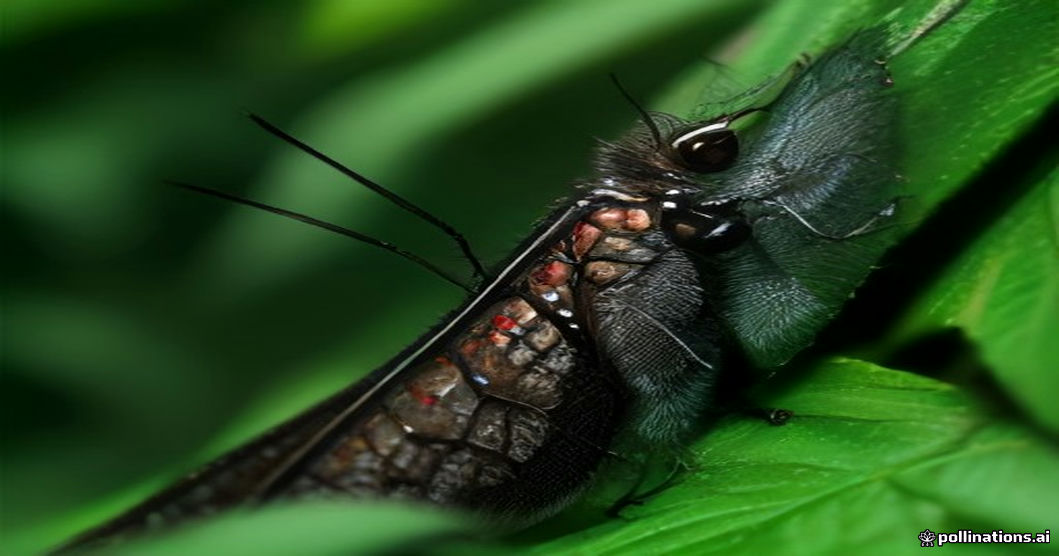
As animal health and entomology enthusiasts, we often find ourselves fascinated by the sheer diversity of the insect world. Among the most remarkable creatures is the family Corydalidae, commonly known as dobsonflies, belonging to the ancient insect order Megaloptera. These impressive insects are true goliaths of the skies and aquatic ecosystems alike.
Physical Characteristics and Scale
Adult dobsonflies are easily recognized by their massive size. Featuring a staggering wingspan ranging from 15 to 21 cm, they rank among the largest flying insects found in nature today. Their elongated bodies typically measure between 45 and 100 mm in length. Despite their somewhat menacing appearance—especially the males, which boast elongated, sickle-like mandibles—adult dobsonflies are harmless to humans and play a unique role in their native habitats.
The Fascinating Life Cycle
One of the most intriguing aspects of the dobsonfly is its prolonged development. While the adult stage is relatively short-lived, it takes a dobsonfly larva—often called a hellgrammite—an astonishing 2 to 5 years to fully mature into an adult insect. These aquatic larvae spend years thriving in clean, fast-flowing streams.
Human and Ecological Significance
Dobsonflies intersect with human culture in various interesting ways. In Mexico and several other regions of Latin America, dobsonfly larvae are traditionally consumed by humans as a local delicacy. Meanwhile, in North America, anglers highly prize these robust larvae as exceptional fishing bait for catching freshwater game fish like bass.
Written by Mohammed Murtaja
Editor-in-Chief & Executive Publisher of ZooPulse. Senior investigative journalist directing evidence-based research, veterinary science verification, and editorial governance.
Related Stories
 Uncategorized
The Incredible Survival Tactics of the Galapagos Sally Lightfoot Crab
Nature’s Ultimate Escape Artists In the dramatic volcanic landscapes of the Galapagos Islands, survival requires extraordinary measures. Picture the scene: Grapsus grapsus crabs leaping desperately from rock to rock, avoiding the crashing waves below. For these remarkable crustaceans, staying out of the water is quite literally a matter of life and death. A Terrifying Aquatic […]
 Uncategorized
Avian Jewel of South America: The Golden-Breasted Toucanet
Introduction to the Saffron Beauty The Golden-breasted Toucanet, scientifically known as Pteroglossus bailloni and often referred to as the Saffron Toucanet, is one of the most vibrant and captivating avian species native to South America. Found primarily in the dense tropical rainforests of southeastern Brazil, eastern Paraguay, and Argentina’s Misiones Province, this stunning bird is […]
 Uncategorized
Exploring the Rock of Cashel: A Veterinary and Pet-Friendly Journey Through Ireland’s Ancient History
When travelers think of Ireland’s most iconic historical landmarks, the majestic Rock of Cashel—also famously known as St. Patrick’s Rock, situated in the heart of Cashel, Ireland—immediately comes to mind. Rising high above the Tipperary plains, this medieval architectural wonder offers breathtaking views and a deep dive into ecclesiastical history. But for animal lovers and […]