
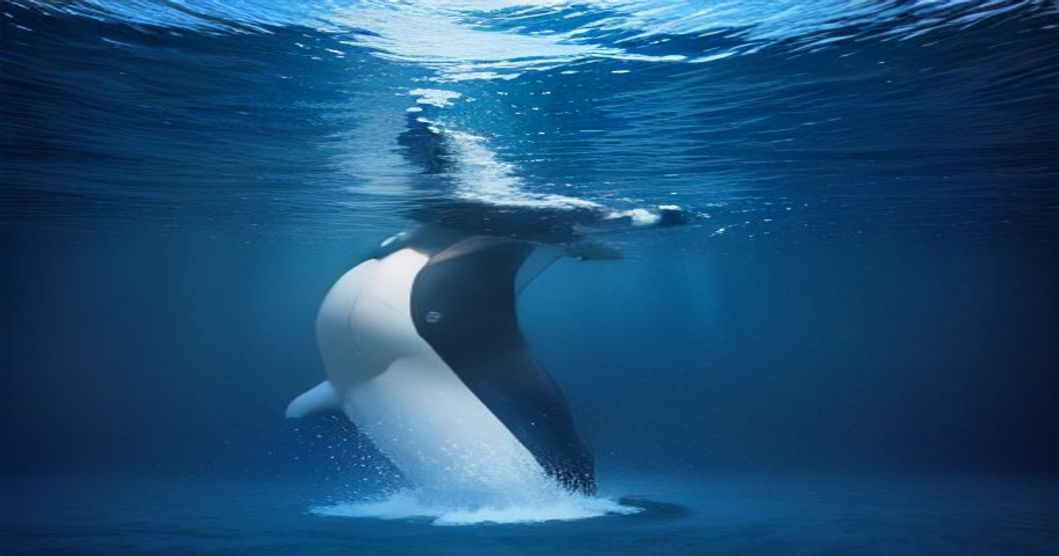
The Orca (Orcinus orca), often called the killer whale, stands as one of the most intelligent, adaptable, and formidable apex predators in the marine kingdom. Despite their dramatic name, orcas are actually the largest members of the dolphin family. Possessing exceptional hunting prowess, intricate social structures, and remarkable cognitive abilities, these majestic ocean giants continue to captivate marine biologists, animal behaviorists, and wildlife enthusiasts around the globe.
Key Physical Characteristics and Vital Statistics
Orcas are easily identified by their iconic black-and-white coloration and impressive dorsal fins. Their physical adaptations allow them to thrive in virtually every ocean environment on Earth:
Length: Mature orcas typically range from 5 to 10 meters (16 to 33 feet) in length.
Weight: A fully grown individual can weigh up to an incredible 8 tons.
Lifespan: In natural habitats, orcas demonstrate remarkable longevity, living up to 70 years or more.
Global Habitat: Orcas are cosmopolitan creatures, found in almost every ocean worldwide, from freezing polar seas to warm equatorial regions.
Master Hunters of the Marine Ecosystem
Sitting comfortably at the top of the marine food web, orcas have no natural predators. They are highly skilled hunters capable of targeting a vast array of prey, including warm-blooded marine animals such as seals, sea lions, and even other cetaceans like bottlenose dolphins and large whales. What makes their hunting so extraordinary is their reliance on sophisticated pod strategies, vocal dialects, and coordinated teamwork passed down through generations, demonstrating a level of culture rarely seen in the animal kingdom.
Cognition, Trust, and Modern Behavioral Management
From an animal health and psychological perspective, orcas possess exceptional intelligence and emotional depth. Modern marine mammal management emphasizes cognitive enrichment and trust-based training. Unlike traditional animal training methods that rely purely on food reinforcement, contemporary interactions with these intelligent beings are heavily driven by play, joy, dynamic mental stimulation, and deep mutual trust between animals and their care teams. Establishing these positive bonds ensures lower stress levels, improved welfare, and seamless voluntary healthcare routines.
Conclusion
The orca serves as a powerful symbol of marine ecosystem vitality and intelligence. By continuing to study and respect these magnificent ocean leaders, we gain deeper insights into marine biology, animal cognition, and the crucial importance of ocean conservation.