
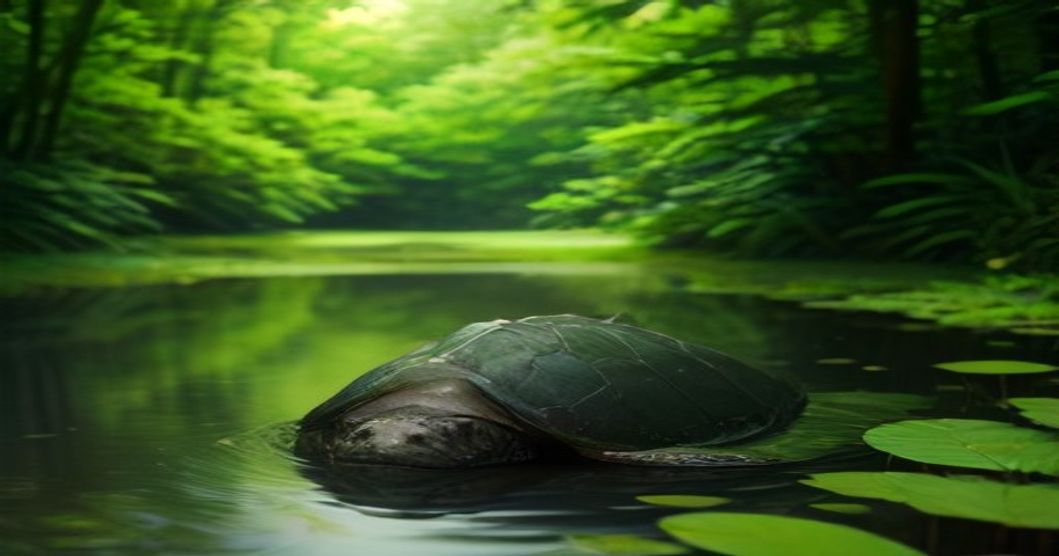
Introduction to the Snapping Turtle
The Common Snapping Turtle (Chelydra serpentina) is one of North America’s most iconic and fascinating freshwater reptiles. Renowned for its prehistoric appearance and formidable jaws, this species earned its name from its powerful defensive snap when feeling threatened outside of its aquatic environment.
Physical Attributes and Impressive Size
As one of the larger freshwater turtle species, an adult snapping turtle regularly attains shell lengths of up to 35 centimeters. While their average weight typically hovers around 14 kilograms, extraordinary individuals have been documented weighing up to an astonishing 30 kilograms. Their distinctive long necks, rugged carapaces, and powerful beak-like jaws make them uniquely adapted apex scavengers and predators in wetland ecosystems.
Defensive Mechanics and Safety
Contrary to common misconceptions, snapping turtles are generally docile in water, preferring to escape from danger unnoticed. However, because their reduced plastron (under-shell) prevents them from completely retracting into their shells for safety, they display aggressive defensive behaviors on land. When threatened, a snapping turtle will stretch out its surprisingly long neck and deliver a swift, powerful bite. Animal handlers and wildlife enthusiasts should exercise extreme caution and maintain a respectful distance.
Remarkable Cold Resilience and Hibernation
Among their most extraordinary physiological traits is their incredible tolerance to cold temperatures. In colder northern regions, snapping turtles initiate hibernation as autumn settles in, burying themselves deep within the oxygen-rich mud at the bottom of frozen bodies of water from October through May. Astonishingly, their metabolism allows them to endure extreme cold, and observers occasionally catch glimpses of these resilient reptiles moving beneath thick layers of lake ice or even walking across frozen surfaces.
Care Considerations and Conservation
While snapping turtles are sometimes kept in specialized captivity, their substantial growth, specific dietary requirements, and need for vast aquatic spaces make them challenging pets for standard enthusiasts. Preserving their natural wetland habitats and appreciating them from afar remains vital to protecting this ancient species and maintaining ecological balance in freshwater ecosystems.