
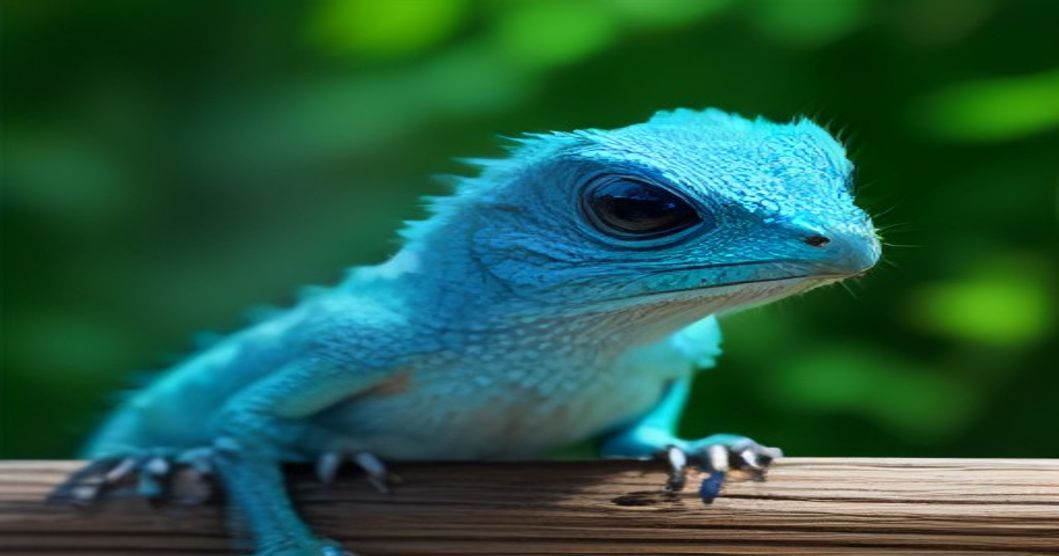
The Eastern Fence Lizard (Sceloporus undulatus) is one of the most intriguing native reptiles found across the eastern and central regions of the United States. Inhabiting a diverse range of environments from dry, rocky deserts to lush, forested slopes, this small yet resilient reptile has captivated the attention of wildlife enthusiasts and herpetologists alike. Typically measuring between 10 to 19 centimeters in total length, these lizards may appear unassuming at first glance, but they possess extraordinary physiological and behavioral adaptations.
The Mystery Behind the Name
Despite being commonly referred to as the “fence lizard,” the exact origins of this moniker remain somewhat elusive in scientific literature. While they are frequently spotted sunning themselves on wooden fences, rock piles, and fallen logs, their habitat preferences extend far beyond man-made boundaries. Their rough, keeled scales provide excellent camouflage against tree bark and stone, allowing them to blend seamlessly into their natural surroundings to avoid predators.
A Spectacular Summer Transformation
While both male and female Eastern Fence Lizards generally display a cryptic brown or gray coloration throughout most of the year, the arrival of the summer breeding season brings about a radical visual shift. Males undergo a breathtaking transformation, developing vibrant, iridescent blue-green patches along their throats, bellies, and sides. Reminiscent of the rich hues found in a peacock’s tail feather, these radiant colors serve a critical evolutionary purpose: attracting potential mates and signaling physical vitality to rivals.
Territorial Displays and Mating Rituals
The mating rituals of Sceloporus undulatus are a masterclass in reptilian communication and dominance. When two rival males cross paths, they engage in a dramatic physical standoff. Standing tall on fully extended legs and compressing their bodies sideways, they perform characteristic push-up movements to flash their brilliant blue-green underbellies. They slowly sidle up to one another in an intense visual duel. Frequently, the weaker or less dominant male becomes intimidated by the glowing belly display of his opponent and flees the territory without a physical fight ever taking place.
Appreciating Native Wildlife
As integral components of their native ecosystems, Eastern Fence Lizards play a vital role in controlling insect populations, including beetles, ants, and spiders. Understanding their behavior and unique seasonal adaptations enhances our appreciation for native North American fauna, reminding us of the hidden wonders thriving right in our backyard ecosystems.