
An Introduction to Chrysoperla Carnea
Despite its delicate appearance, the common lacewing (Chrysoperla carnea) is one of the most powerful natural allies in garden ecosystems and agricultural health. Measuring up to 10 mm in body length with a graceful wingspan reaching 30 mm, these pale green insects possess lacy, translucent wings that give them their charming name. While easily overlooked, their life cycle reveals extraordinary adaptations that make them a fascinating subject for wildlife enthusiasts and gardeners alike.
Ingenious Protection: Eggs on Stalks
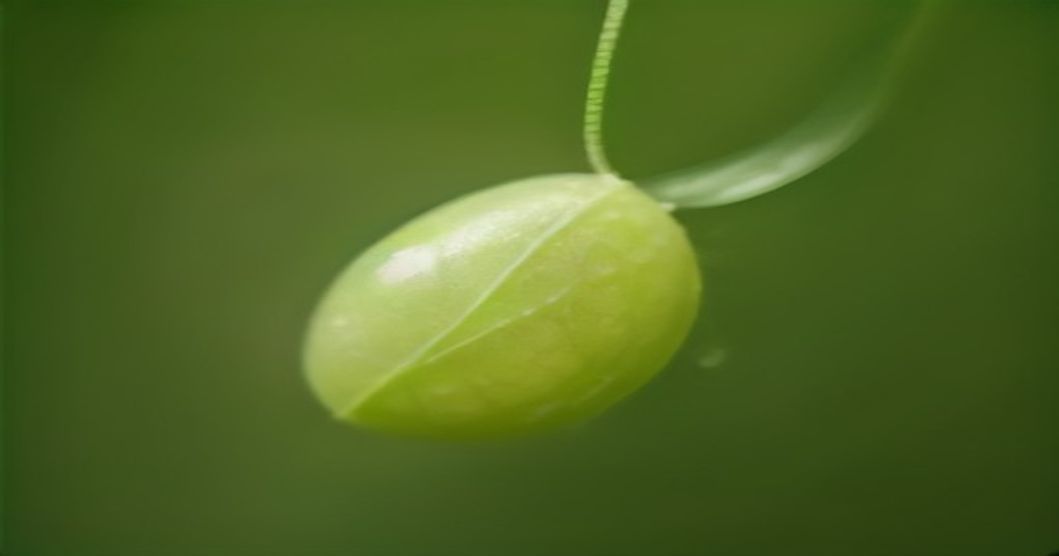
One of the most remarkable behaviors of the female lacewing is her method of egg placement. To safeguard her offspring from crawling predators—particularly hungry ants—she deposits each egg at the tip of a fine, hair-like silk stalk attached to plant tissue. Suspended high above the leaf surface, these delicate eggs remain far out of reach from ground insects until they are ready to hatch, showcasing a brilliant evolutionary survival strategy.
The ‘Aphid Lion’: A Voracious Guardian
Once hatched, the lacewing larva wastes no time fulfilling its predatory purpose. Earnest in its pursuit of food, the larva is affectionately known as the ‘aphid lion’ due to its fierce appetite and formidable curved jaws. Throughout its development, a single larva can consume between 200 to 300 aphids. Beyond aphids, these beneficial hunters actively feed on spider mites, scale insects, and moth eggs, offering a safe, chemical-free pest management solution that protects garden flora without risking toxicity to domestic pets or local wildlife.
Gentle Adults with a Sweet Tooth
Interestingly, the aggressive hunting nature of the lacewing is confined entirely to its larval stage. Upon metamorphosing into adults, green lacewings undergo a complete dietary shift. Rather than preying on other bugs, adult lacewings quietly flit through foliage in search of plant nectar, insect-produced honeydew, and other natural sugary liquids. Protecting these gentle insects ensures a healthy, balanced micro-ecosystem right in your backyard.