
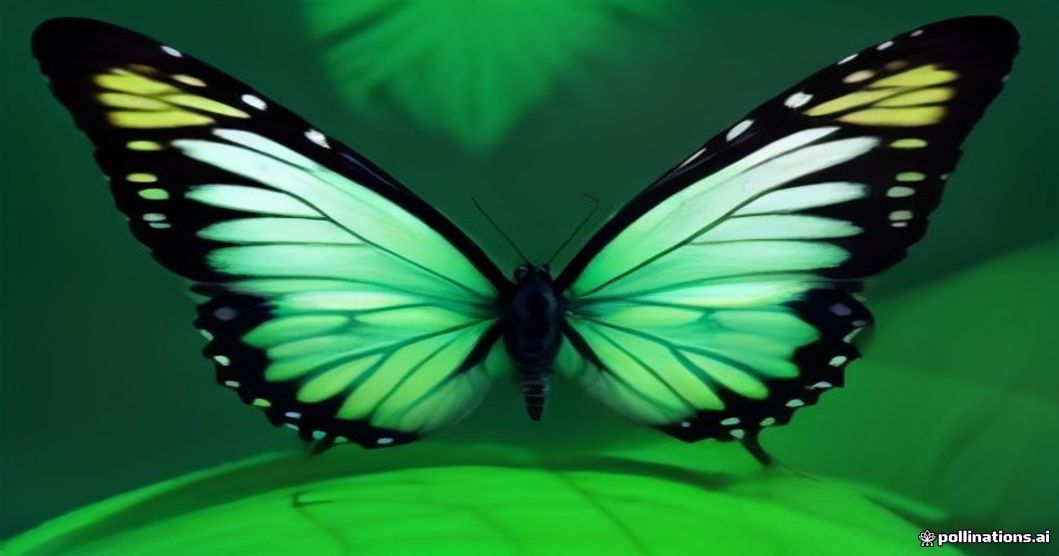
Introduction to the Glass Butterfly
Native to the lush tropical forests of Central and South America—stretching from Mexico all the way down to Argentina—the Glass Butterfly (scientifically known as Greta oto) is one of the most mesmerizing creatures in the insect kingdom. While their natural habitat spans the American tropics, stunning observations and documentation of these delicate marvels have captivated audiences worldwide, including famous exhibits at institutions like the London Zoo.
Anatomy and Transparency
With a modest wingspan ranging between 5.5 and 6 centimeters, the Greta oto easily stands out due to its striking unique feature: transparency. The tissue membrane situated between the veins on their wings completely lacks the colored scales typically found in other butterfly species. This evolutionary adaptation allows light to pass right through, earning them their popular English moniker.
Diet, Defense Mechanisms, and Lifecycle
The life cycle of the Glass Butterfly is intricately tied to specific host plants. Female butterflies lay their eggs exclusively on plants belonging to the genus Cestrum. Once hatched, the caterpillars feed voraciously on these leaves, ingeniously accumulating toxic alkaloids within their developing tissues. This biological defense mechanism persists into adulthood, rendering the butterfly unpalatable and foul-tasting to potential avian predators. When they reach maturity, adult Glass Butterflies transition to a diet of rich floral nectar.
The Origin of ‘Espejitos’
In Spanish-speaking regions, this extraordinary insect is affectionately known as “espejitos,” which translates directly to “little mirrors.” This name is far more than just poetic; when these semi-transparent wings are struck by sudden light sources, such as car headlights, they acquire a surprisingly glossy and reflective property, making the Spanish descriptor remarkably accurate in the wild.
Conclusion
Whether you know them by their scientific name, refer to them as transparent beauties, or call them “little mirrors,” the Glass Butterfly remains a testament to the wonders of natural adaptation and the sheer magic of the animal kingdom.