
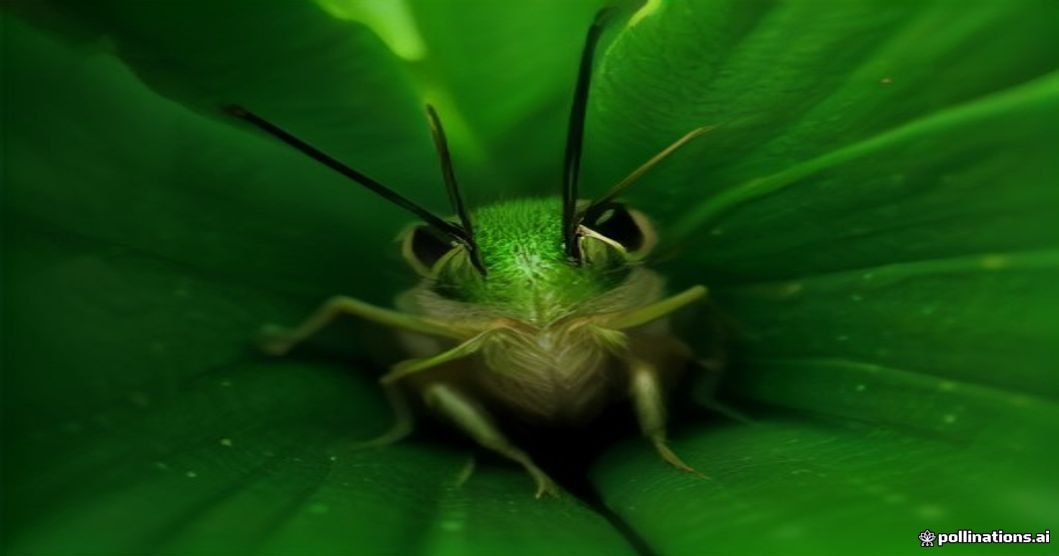
Introduction to the Genus Arachnacris
Deep within the lush tropical forests of the Malay Peninsula, New Guinea, and the Bismarck Archipelago resides one of the most fascinating and formidable insects known to entomology: the genus Arachnacris. These giant bush crickets command attention not only due to their impressive proportions but also because of their unique behavioral adaptations and ecological roles in the rainforest canopy.
Physical Marvels and Size
When it comes to sheer scale, Arachnacris regalis is truly a titan among insects. Adult specimens can reach an astonishing body length of up to 15 centimeters (nearly 6 inches), complemented by a massive wingspan stretching up to 25 centimeters (almost 10 inches). Despite possessing the long, powerful-looking legs characteristic of true bush crickets, evolutionary shifts have led to the loss of their ability to jump. Furthermore, they rarely take to the air, relying instead on deliberate, steady crawling to navigate their dense habitat. From a human perspective, this lack of aerial or leaping prowess is quite a relief; a creature of this magnitude darting through the air would be overwhelming indeed!
Dietary Habits and Foraging Ecology
As an omnivorous species, Arachnacris regalis exhibits a flexible approach to nutrition. Its diet is primarily herbivorous, consisting largely of foliage, flowers, and other plant-based materials readily available in the tropical understory. However, these insects are opportunistic feeders. They will occasionally hunt smaller invertebrates and readily scavenge when the opportunity arises, ensuring they receive adequate protein and nutrients in their rich ecosystem.
Fascinating Acoustic Behaviors
Communication in the insect world takes many forms, and bush crickets are famous for their auditory prowess. Many species within this group utilize a specialized process known as stridulation—rubbing their wings together—to produce distinct calls and signals. This unique ability places them among the most vocal and sonically active insects on the planet, adding a vibrant soundtrack to the symphony of the tropical rainforest.