
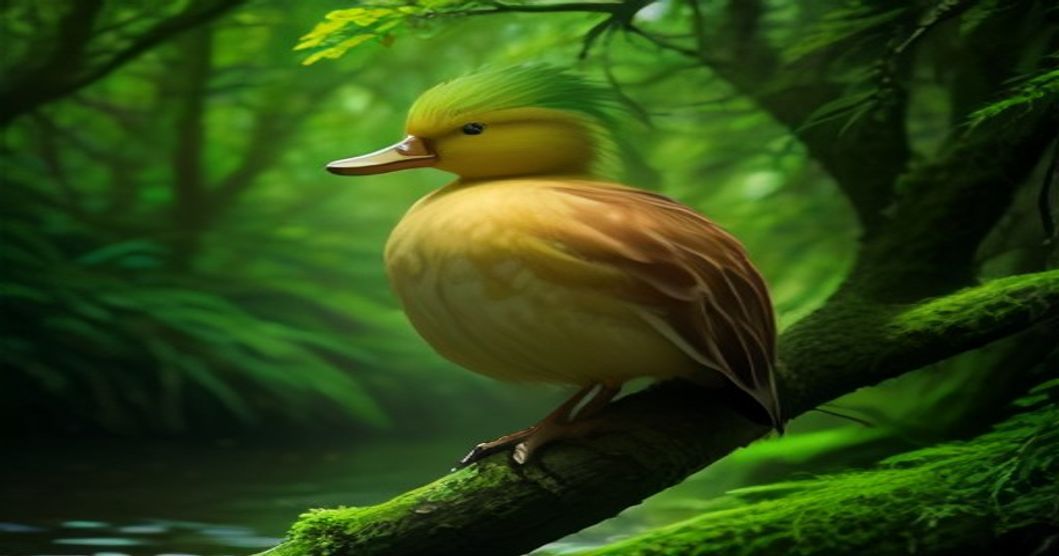
Introduction to a Unique Waterfowl
When we picture ducks, our minds typically drift to tranquil ponds where mallards glide gracefully across the surface. However, the avian world holds extraordinary exceptions to every rule. Enter the wood duck (Aix sponsa), a truly remarkable species that defies standard waterfowl stereotypes with its arboreal nesting habits and breathtaking appearance.
The Dazzling Plumage of the Wood Duck
Renowned as one of the most visually stunning birds in North America, the male wood duck boasts an iridescent crest of deep greens and purples, complemented by striking red eyes, elegant white facial stripes, and rich chestnut breasts. This vibrant coloration serves as a vital evolutionary tool during mating season, allowing drakes to attract potential mates amidst the dense foliage of their woodland habitats.
Tree-Top Nesters: A Rare Adaptation
Unlike the vast majority of duck species that construct ground nests hidden in tall grasses or reeds, wood ducks are cavity nesters. Utilizing natural hollows in trees—often carved out by woodpeckers or formed through decay—these resourceful birds can nest anywhere from a few feet to over fifty feet above the ground. This arboreal lifestyle protects their eggs from ground-dwelling predators.
The Leap of Faith
One of the most astonishing behaviors in avian biology occurs just 24 hours after wood duck ducklings hatch. Encouraged by their mother calling from the forest floor, the tiny, flightless ducklings must take a dramatic leap of faith, tumbling out of their high tree cavity. Thanks to their downy feathers and lightweight bodies, they typically bounce safely onto the ground below, ready to embark on their journey toward the nearest water source.