
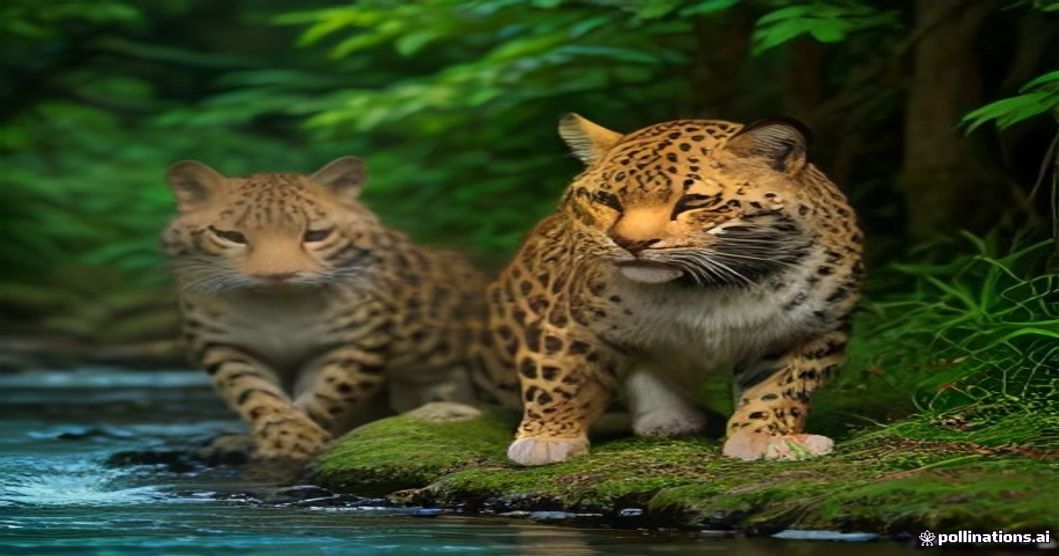
Introduction to the Asian Leopard Cat
As a veterinarian and passionate pet care writer, I often encounter pet parents fascinated by the wild ancestry of modern domestic breeds. Among the most captivating wild felids is the Asian Leopard Cat (Prionailurus bengalensis). Often confused with the domesticated Bengal cat breed, this remarkable wild species is one of the most widespread wild cat species on the planet, possessing unique evolutionary traits that allow it to thrive across diverse landscapes.
Stunning Geographical Variations in Appearance
The appearance of the Asian Leopard Cat varies remarkably depending on its geographic location. Specimens found in the Far East present a vastly different aesthetic compared to those residing on the islands of Indonesia. Generally, southern populations sport a vibrant yellowish base coat reminiscent of a classic leopard, adorned with striking black streaks. Conversely, northern populations adapt to cooler climates with a predominantly gray-brown coat and distinct circular spots.
Size and Physical Adaptations
Similar in size to a domestic cat, the Bengal (Asian) cat exhibits a surprising range of dimensions across its vast habitat range. Their total length—including a bushy tail measuring between 20 to 40 cm—ranges from a compact 65 cm on the island of Java up to a full meter in the colder regions of the Far East. This compact yet athletic build makes them incredibly agile hunters in both dense underbrush and elevated canopies.
Habitat Preferences and Water Affinity
True to their wild nature, Asian Leopard Cats are remarkably adaptable and demonstrate a strong affinity for aquatic environments, always choosing to live near water sources. Whether navigating tropical rainforests, dense coniferous forests, sun-drenched savannas, or rugged mountain terrains, these resilient felines prove themselves to be master survivors across a multitude of ecosystems.