
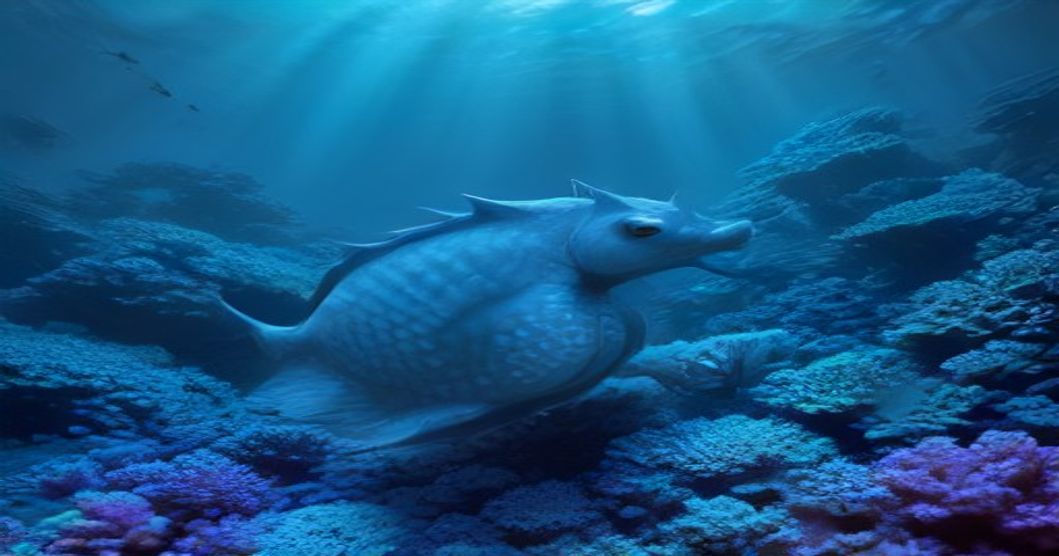
The Evolutionary Wonder of the Hippocampus
In the vast diversity of marine life, few creatures captivate the imagination quite like the seahorse. Belonging to the genus Hippocampus, these delicate fish are celebrated not just for their equine appearance, but for a biological phenomenon that challenges traditional roles in the animal kingdom: male pregnancy. While many species exhibit various levels of paternal care, seahorses are the only known group where the male carries, nourishes, and eventually gives birth to live offspring.
An Intricate Aquatic Dance: The Courtship
The journey to parenthood begins with an elaborate courtship ritual that is as much a test of synchronization as it is a romantic display. Seahorse pairs engage in a rhythmic “dance” that can last for several days, involving changing colors and intertwining tails. This synchronization is vital; it ensures that the female is ready to deposit her eggs exactly when the male’s brood pouch—a specialized organ located on his abdomen—is prepared to receive them. During this graceful transition, the female transfers her eggs into the male’s pouch, where they are immediately fertilized internally.
Inside the Brood Pouch: A Father’s Dedication
Once the eggs are secured, the male seahorse takes on the full responsibility of gestation. Far from being a simple carrying case, the brood pouch is a complex biological environment. Research indicates that the pouch functions similarly to a mammalian placenta, regulating salinity levels to prepare the fry for the ocean environment, providing oxygen, and even supplying essential nutrients like lipids and calcium. Depending on the species, a single male may carry anywhere from 50 to over 1,000 embryos for a period of two to four weeks.
The Miracle of Birth and Survival
When the fry are fully developed, the male undergoes muscular contractions—not unlike mammalian labor—to expel the young into the surrounding water. This process can last for several hours. Once released, the tiny seahorses, known as fry, are fully formed and immediately independent. Unlike many other species, seahorse parents do not provide care after birth, leaving the miniature clones to navigate the perils of the reef on their own. Understanding these unique reproductive strategies is essential for marine conservationists, as it highlights the specialized biological needs of these vulnerable and extraordinary creatures.