
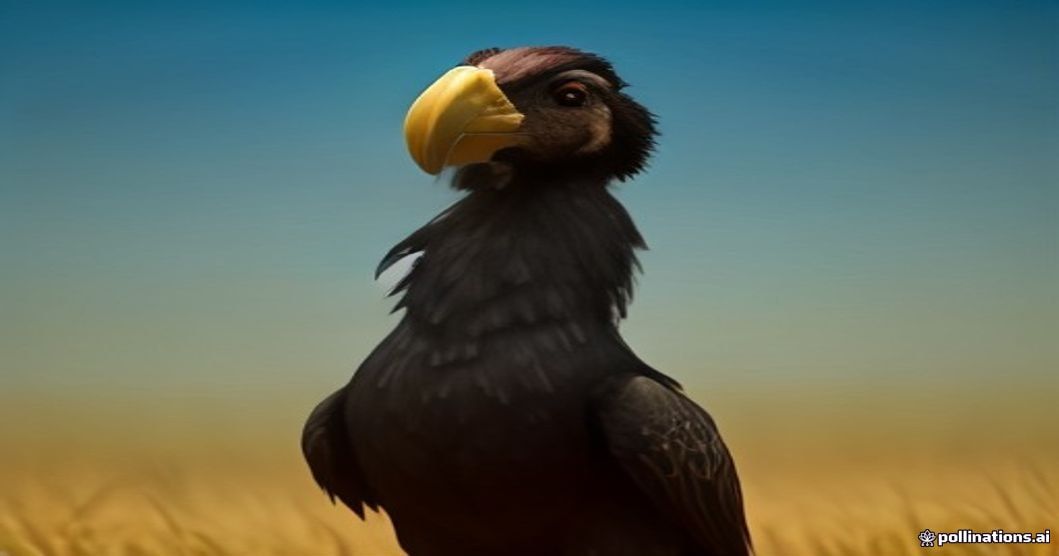
A Unique Avian Predator
When we think of hornbills, striking bills and frugivorous diets usually come to mind. However, the avian world is full of fascinating evolutionary twists. Unlike its predominantly fruit-and-insect-eating relatives, the Southern Ground Hornbill (Bucorvus leadbeateri) stands apart as the only true terrestrial predator within the Bucerotidae family. Rather than foraging high up in the forest canopy for figs and berries, this magnificent bird patrols the African savannah, utilizing its keen eyesight and powerful bill to hunt.
Diet and Hunting Behavior
As a carnivorous specialist, the Southern Ground Hornbill boasts a diet that would be more typical of a raptor or a medium-sized mammal. These intelligent birds consume a wide variety of small animals, including rodents, lizards, snakes (even venomous ones), tortoises, and large insects. Operating in cooperative family groups, they walk purposefully through the grasslands, flushing out prey and dispatching it with swift, precise strikes of their formidable, dagger-like beaks. This dietary adaptation not only sets them apart biologically but also plays a crucial role in controlling rodent and reptile populations in their ecosystem.
Conservation and Animal Health
Despite their ecological importance and status as apex avian predators, Southern Ground Hornbills face significant threats in the wild. Habitat loss, poisoning, and slow reproductive rates have led to declining populations, prompting intensive conservation and captive breeding programs. For veterinarians and wildlife rehabilitators working with these incredible creatures, understanding their specialized carnivorous nutritional needs—such as providing whole-prey items to prevent metabolic bone disease—is vital for their health and longevity. Protecting this iconic species ensures that the African savannah retains one of its most charismatic and ecologically unique feathered hunters.