
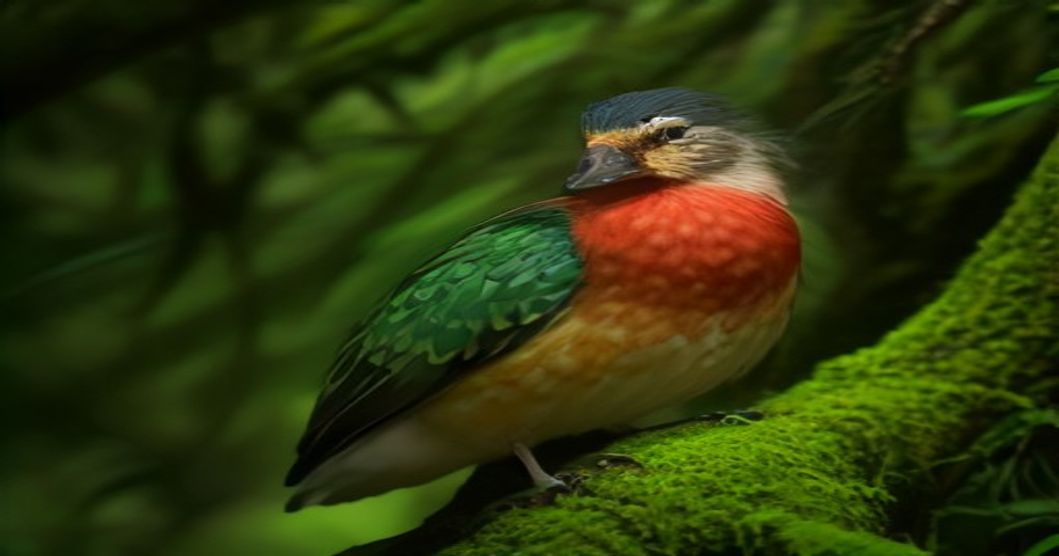
Among North America’s waterfowl, few birds capture the imagination quite like the Wood Duck (Aix sponsa). Known for its brilliant coloration and unusual arboreal habits, this remarkable bird stands out as a true marvel of avian adaptation and wildlife biology.
Striking Appearance and Unique Features
The male Wood Duck, or drake, is widely considered one of the most stunning birds in North America. Its head features an iridescent green and purple slicked-back crest, flanked by sharp white stripes. Rich chestnut plumage adorns its chest, while iridescent dark wings and vivid red eyes complete its regal look. Even the females, though more subdued for camouflage purposes, possess a delicate beauty with a tear-shaped white eye ring and elegant grey-brown tones.
A Rare Habit: Tree Cavity Nesting
Unlike most ducks that construct nests in dense vegetation along ground-level shorelines, Wood Ducks are cavity nesters. They rely on hollowed-out tree cavities created by woodpeckers or natural decay, often located up to 50 feet above the ground near swamps, marshes, and quiet woodland streams. Strong, sharp claws allow them to perch comfortably on tree branches, an capability rarely seen in aquatic birds.
The Leap of Faith
The nesting habit leads to one of the most incredible wildlife phenomena in the natural world. Within 24 hours of hatching, tiny ducklings must jump from their elevated tree cavity to the ground or water below, called by their mother from the base of the tree. Despite falling from immense heights relative to their size, these resilient ducklings are cushioned by light down and almost always land completely unharmed before making their journey to the nearest body of water.
Conservation and Avian Health Lessons
The history of the Wood Duck offers a powerful lesson in conservation. In the early 20th century, severe habitat loss and overhunting brought the species close to extinction. Thanks to proactive wildlife management—particularly the widespread installation of man-made wooden nesting boxes—Wood Ducks made a dramatic recovery. Observing their habitat needs reminds veterinary specialists and animal enthusiasts alike how vital natural tree hollows and clean wetland ecosystems are to supporting biodiversity and preventing avian stress and disease in wild populations.