
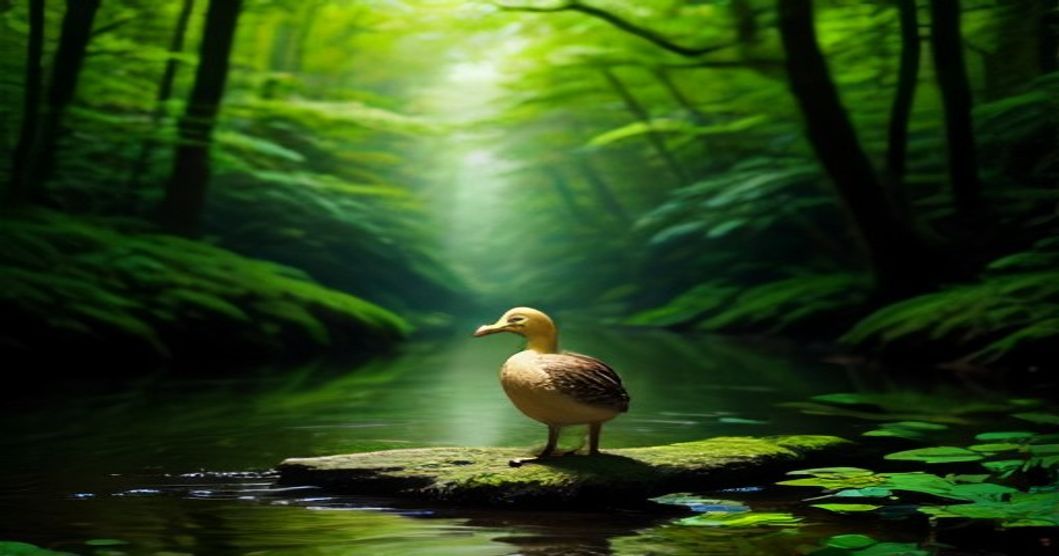
When it comes to breathtaking waterfowl, the Wood Duck (Aix sponsa)—often referred to as the Carolina Duck—holds a special place in the hearts of bird enthusiasts and aviculturists alike. As close relatives of the stunning Asian Mandarin duck, Wood ducks boast a slightly less flamboyant yet equally mesmerizing plumage, ensuring that bird lovers across the globe have their own distinct icon of elegance.
Geographic Distribution and Habitat
While their Mandarin cousins reign supreme in Asia, Wood ducks are native to the United States, with significant breeding populations extending into Canada and, to a lesser extent, Cuba. For centuries, these birds have also been introduced to European parks for decorative purposes, occasionally escaping into the wild and establishing small feral populations.
In the wild, Wood ducks prefer small freshwater ecosystems. They thrive in forest lakes, secluded swamps, slow-moving rivers, backwaters, quiet ponds, and behind beaver-built dams. You will typically find them settling along shady, sheltered banks densely vegetated with mature oak, willow, and poplar trees.
Nesting Behavior in the Wild and in Captivity
One of the most fascinating aspects of Wood duck biology is their nesting habit. Unlike many other duck species that nest on the ground, Wood ducks are cavity nesters. They seek out relatively old deciduous trees containing natural cavities, ideally with an entrance diameter of at least 9 cm and a depth of no less than 20 cm.
For those keeping these magnificent birds in captivity or managing local conservation projects, artificial nest boxes serve as excellent substitutes for natural tree cavities. Providing these secure boxes is crucial for successful breeding programs.
Diet and Nutrition
Wood ducks are versatile omnivores, feeding on a wide variety of both plant and animal matter. Their natural diet includes acorns, seeds, berries, aquatic plants, insects, and small crustaceans. Providing a balanced, nutrient-rich diet is essential for maintaining optimal health, vibrant plumage, and successful reproduction in both wild and captive settings.