
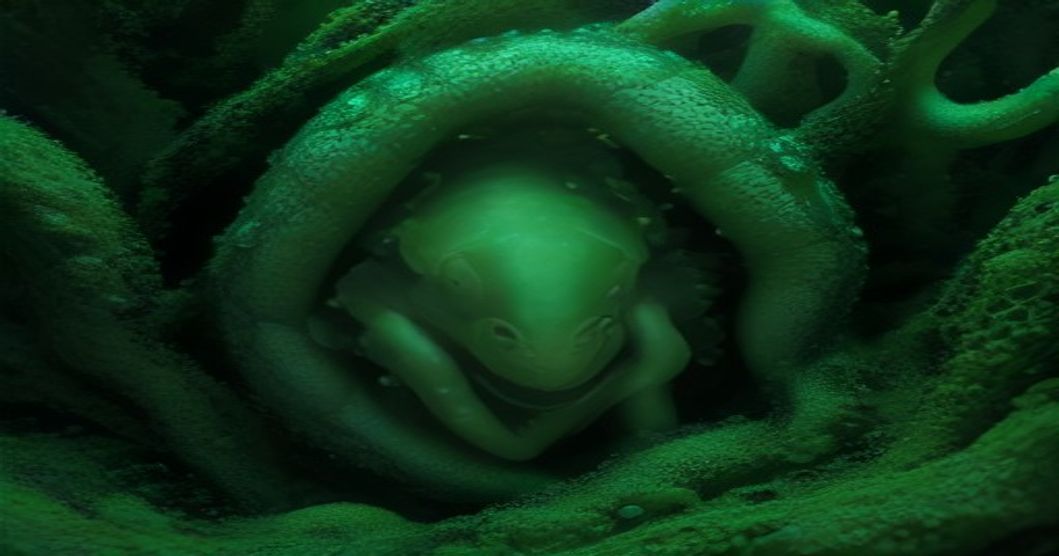
Discovering the Unique Tentacled Snake
In the fascinating world of aquatic reptiles, few species capture the imagination quite like the Tentacled Snake (Erpeton tentaculatum). Native to the freshwater habitats of Indochina, this remarkable semi-aquatic reptile immediately stands out due to a distinctive anatomical feature: a unique pair of fleshy tentacles located right on its snout. As a professional veterinarian and pet care enthusiast, exploring the specialized adaptations of lesser-known species offers profound insights into the incredible diversity of animal health and survival strategies.
The Function of Facial Tentacles
What purpose do these unusual facial appendages serve? Measuring about 70 to 90 centimeters in length, the Tentacled Snake relies on these small, highly muscular growths as sophisticated sensory detectors. When the snake feels threatened, it instinctively retracts its tentacles close to the head for protection. However, during hunting, it extends them forward just like biological antennae. These specialized organs help the snake sense vibrations and movement in murky waters, allowing it to expertly locate fish and other aquatic prey with pinpoint precision.
A Lifetime Beneath the Surface
Unlike many other semi-aquatic reptiles that frequently bask on rocks or logs, Erpeton tentaculatum is fully adapted to an aquatic lifestyle and rarely, if ever, leaves the water. To aid in its stealthy predatory habits, its skin is frequently cloaked in a layer of natural algae. This living camouflage allows the snake to blend seamlessly into its freshwater environment, hiding in plain sight from both predators and unsuspecting prey. Understanding these specialized ecological adaptations underscores why preserving natural freshwater habitats is so crucial for the health and longevity of such extraordinary species.