
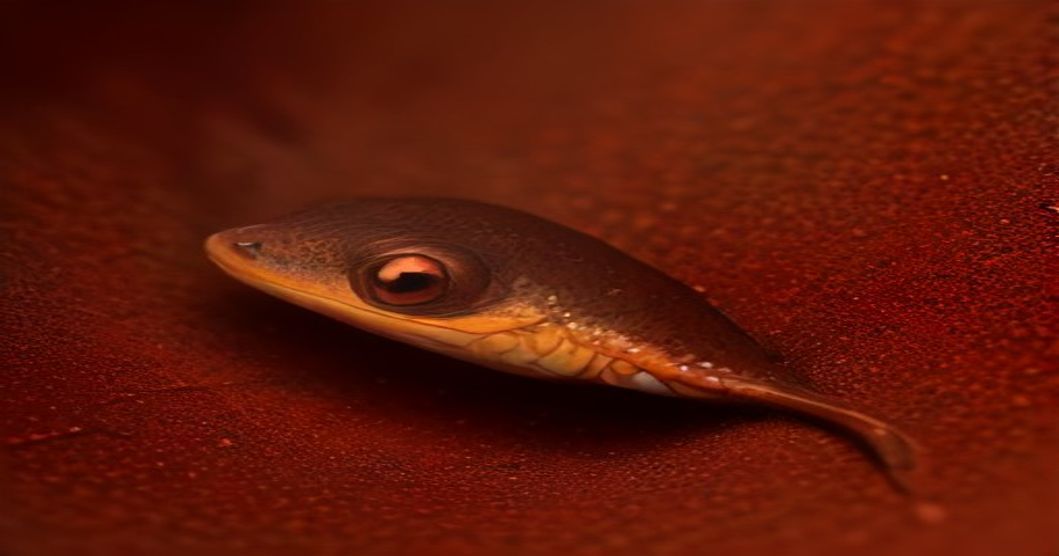
At first glance, the Texas Blind Snake (Rena dulcis) might easily be mistaken for a common, shiny earthworm. However, this remarkable creature is a tiny, non-venomous reptile boasting a suite of incredible evolutionary adaptations. Inhabiting the subterranean landscapes of the southwestern United States and northern Mexico, this unique reptile offers a captivating glimpse into the complexities of underground ecosystems.
Unique Adaptations for a Subterranean Lifestyle
Reaching an average length of only 5 to 11 inches, the Texas Blind Snake is expertly built for life beneath the soil. It features smooth, tightly packed, cylindrical scales that provide minimal friction as it glides through earth and gravel. Its eyes are reduced to tiny, translucent vestigial spots beneath protective scales, perfectly suitable for a lifestyle spent almost entirely in total darkness.
The Ultimate Ant Nest Invader
One of the most extraordinary aspects of Rena dulcis is its specialized hunting strategy. These little snakes actively seek out ant and termite nests, navigating dense insect tunnels in search of protein-rich larvae and pupae. While invading an ant colony would be fatal for most small animals, the Texas Blind Snake’s tiny size, smooth body, and tough, armor-like scales render it virtually immune to ant bites and stings, allowing it to feast undisturbed.
An Unlikely Partnership with Owls
Beyond its burrowing prowess, the Texas Blind Snake participates in one of nature’s most fascinating symbiotic relationships. Eastern Screech Owls frequently capture these tiny snakes and carry them back to their nest boxes alive. Rather than consuming them, the adult owls leave the snakes in the nest. The Texas Blind Snakes immediately burrow into the nesting debris, consuming insect larvae and parasites that would otherwise harm the owl chicks. In exchange, the snake enjoys a safe, rich feeding environment—a brilliant example of natural biological pest control.
Ecological Importance and Conservation
Although rarely seen by humans due to their secretive burrowing habits, Texas Blind Snakes play a crucial role in maintaining healthy soil dynamics and regulating insect populations. As vital contributors to biodiversity in southwestern ecosystems, these gentle, insectivorous reptiles prove that even the smallest creatures can possess remarkable ecological significance.